DrSharpe Health
The ongoing pandemic has prompted many to seek effective personal protective equipment, such as KN95 masks. These masks are known for their filtration efficiency and ability to provide a higher level of protection compared to standard face coverings. However, a pressing question remains: Can KN95 masks be reused safely? This inquiry cannot be overlooked, as the sustainability of mask use plays a crucial role in public health.
As restrictions ease, the idea of reusing masks may seem appealing. Yet, it is essential to consider the safety implications. Research indicates that prolonged use can compromise the mask’s effectiveness over time. Factors such as humidity, exposure to contaminants, and physical wear raise concerns about the viability of reusing these masks.
Effective mask use and hygiene practices are paramount. While it may be tempting to prolong the life of a KN95 mask, one must carefully weigh the risks against the potential savings. Balancing practicality and safety requires a thorough understanding of the circumstances under which reusing KN95 masks is acceptable. Thoughtful consideration is necessary to ensure that the benefits do not inadvertently lead to reduced safety.
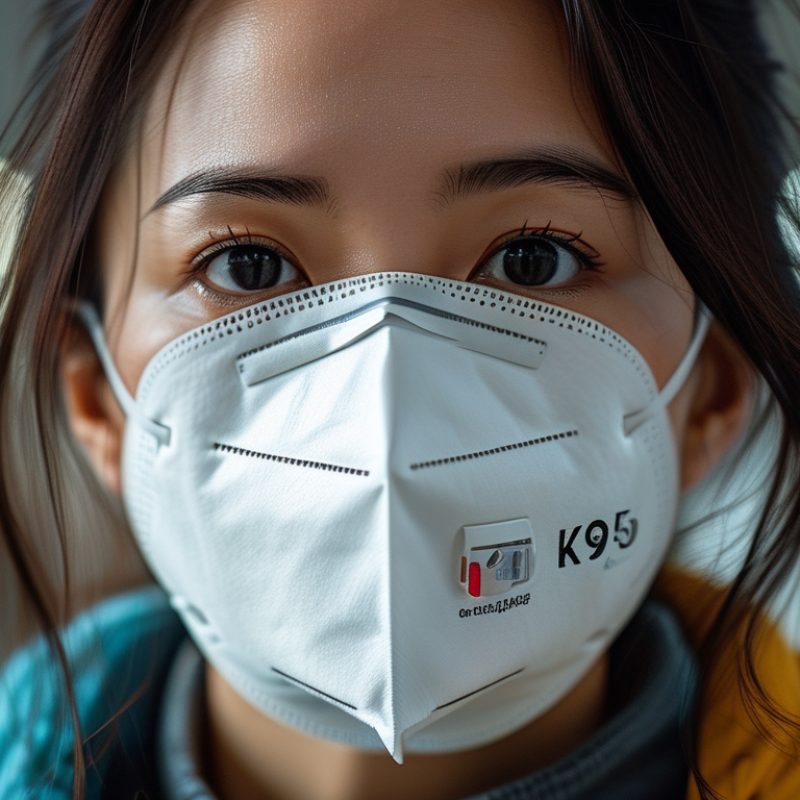
KN95 masks are designed to filter at least 95% of airborne particles. This makes them effective for protecting wearers from respiratory hazards. The structure of these masks includes multiple layers, which enhance filtration efficiency and fit snugly over the face. This design is crucial for proper sealing, preventing unfiltered air from bypassing the mask.
Over time, the material of a KN95 mask can degrade. Factors like moisture and exposure to sunlight can impact its effectiveness. Repeatedly wearing a mask without proper care can lead to a false sense of security. It’s essential to inspect masks regularly for any signs of damage. Ideally, masks should be replaced after a certain number of uses or when they become soiled. Some people may attempt to disinfect masks for reuse, though this can alter their filtration properties.
Understanding the limitations of KN95 masks is necessary. While they provide excellent filtration, they cannot guarantee complete protection. Users should be cautious and stay informed about safe practices. It's vital to balance between mask reuse and ensuring optimal safety standards.
Reusing KN95 masks poses several risks that cannot be ignored. Studies indicate that the filtration efficiency of these masks can decrease significantly after multiple uses. According to a report by the National Institute for Occupational Safety and Health (NIOSH), prolonged use can lead to the accumulation of particulates and pathogens. This accumulation can create a breeding ground for bacteria, increasing the risk of respiratory infections.
The physical integrity of the masks may also deteriorate with reuse. Experts note that the straps can lose elasticity, and the mask itself may become misshapen. A 2022 study published in the Journal of Occupational Health found that masks reused beyond five times had compromised fit, which can result in reduced protection against airborne contaminants. While some may believe that following cleaning protocols can mitigate these risks, research suggests that most methods, like UV light or heat, may not effectively restore the mask's original efficacy.
Another concern is the psychological aspect of relying on reused masks. Healthcare workers reported feeling anxious about the effectiveness of reused masks. This anxiety can impact focus and performance, leading to potential safety hazards in high-risk environments. Even with desperate shortages, it’s essential to weigh the risks of reuse seriously. Justifying the practice can lead to complacency, undermining the safety measures that masks are meant to uphold.
Reusing KN95 masks can be a practical approach during shortages. It’s essential to follow safe methods to ensure their effectiveness. One reliable method is to store the mask in a clean paper bag. This allows it to decontaminate naturally over time. Ensure the mask is dry before storage. A study suggests waiting at least 72 hours before reusing a mask.
Another technique involves using heat. Placing the mask in an oven at 70°C for 30 minutes can help eliminate pathogens. However, careful attention is needed to avoid damaging the mask. This method may not be accessible to everyone. Always inspect the mask for damage before each use. Frayed edges or crushed filters can reduce effectiveness.
Maintaining proper hygiene is crucial when handling masks. Wash hands before and after touching the mask. Consider using a dedicated container for each mask to avoid cross-contamination. Balancing reusability and safety is challenging. Reflecting on these practices can improve usage while minimizing health risks. Always consider local guidelines to make informed decisions.
| Method | Description | Recommended Duration for Reuse | Limitations |
|---|---|---|---|
| Storage in Paper Bag | Store the mask in a breathable paper bag for a minimum of 72 hours after use to allow virus particles to decompose. | Up to 5 uses if stored properly. | Mask may become less effective after multiple uses; inspect for damage. |
| UV-C Light Disinfection | Use UV-C light to disinfect the mask surface, killing bacteria and viruses. | Can be reused until the material degrades. | Requires proper equipment; may not reach all parts of the mask. |
| Heat Treatment | Place the mask in an oven at 70°C (158°F) for 30 minutes to sanitize it. | Up to 3 times if properly treated. | Risks of damage to mask materials; not all masks can withstand heat. |
| Respirator Fit Check | After any reuse method, conduct a fit check to ensure proper seal. | As long as fit is maintained. | Fit may deteriorate over time; regular checks necessary. |
KN95 masks are designed to provide effective filtration, but they can show signs of wear and tear over time. It's crucial to recognize these indicators to ensure they continue to offer protection. One common sign of deterioration is visible damage, such as tears or holes in the mask fabric. A mask with rips will not fit well, reducing its effectiveness. Additionally, if the mask's straps are frayed or lose elasticity, it may not create a proper seal around your face.
Another aspect to consider is the mask's filtration capacity. If you notice any difficulty in breathing while wearing the mask, this could indicate that the filter media has become clogged. Even small changes in breathability should not be ignored. A worn-out mask may feel uncomfortable or may even cause skin irritation. These concerns highlight the importance of regularly inspecting masks before reuse.
Keep an eye out for discoloration or unusual odors, as these can signal contamination. Prolonged use can lead to degradation affecting safety. Ultimately, being vigilant about these signs will help ensure your KN95 masks remain reliable for long-term use. It’s wise to reflect on your usage habits and balance cost savings with health safety.
When considering the long-term use of KN95 masks, proper guidelines are essential. These masks are designed for single-use, but many people seek methods to extend their lifespan due to shortages or personal preference. Reusing these masks can pose risks if not handled correctly. It is crucial to inspect the mask for any visible damage, such as tears or broken straps. If a mask feels damp or soiled, it should not be reused.
Storage plays a vital role in maintaining mask integrity. A clean, breathable container works well for storage. Allow the mask to dry for at least 72 hours between uses, as this can help reduce the risk of contamination. It is also important to limit use to a specific environment to reduce exposure to pollutants or pathogens. While some users report anecdotal success in reusing masks, clinical guidance emphasizes caution. Users must reflect on their environment and individual health needs before opting for prolonged use. Understanding these factors ensures safer use of KN95 masks in the long term.
This chart illustrates the effectiveness of KN95 masks after multiple uses. As the number of uses increases, the effectiveness declines. It is important to follow guidelines for safe reuse to ensure continued protection.
: KN95 masks filter at least 95% of airborne particles, protecting wearers from respiratory hazards.
They are made of multiple layers, ensuring a snug fit and proper sealing to prevent unfiltered air.
Yes, exposure to moisture and sunlight can impact their effectiveness and material quality.
Masks should ideally be replaced after a certain number of uses or if they appear soiled or damaged.
Yes, reusing masks can decrease filtration efficiency and accumulate particles, which may increase infection risks.
Most cleaning methods, like UV light, often do not effectively restore a mask's original filtration properties.
Users may feel anxious about reused masks, affecting focus and performance, especially in high-risk environments.
Reusing masks beyond five times can compromise fit and reduce protection against airborne contaminants.
The article "Can KN95 Masks Be Safely Reused for Long Term Use?" explores the essential aspects of KN95 masks, including their design features and the associated risks of reuse. While these masks provide significant protection against airborne particles, the safety of reusing them depends on several factors. The article outlines effective methods for safe reuse, emphasizing the importance of monitoring for signs of wear and tear, which can compromise their effectiveness.
For individuals considering long-term use, the article provides clear recommendations to ensure that KN95 masks maintain their protective qualities. Overall, it addresses the critical question: "Can KN95 masks be reused safely?" by offering practical guidance and awareness about the potential risks involved with improper reuse.
