DrSharpe Health
Wearing a KN95 mask correctly is essential for ensuring maximum protection against airborne particles. Many people struggle with how to properly wear a KN95 mask for maximum protection. While the mask can filter out 95% of particles, improper usage can significantly reduce its effectiveness.
The fit and seal of the mask are crucial. It should cover your nose and mouth completely, with no gaps. Adjust the straps for a snug fit. This step is often overlooked but is vital for achieving the intended protection. Another common mistake is wearing the mask under the chin or on the forehead. These actions defeat the purpose of the KN95 mask.
Even with the best mask, effectiveness can be impacted by improper handling. Touching the mask outside can transfer germs, necessitating careful handling. Avoid adjusting your mask with dirty hands. Understanding how to properly wear a KN95 mask ensures that you maximize its protective features while helping to keep yourself and others safe. Each time you wear it, reflect on your method and adjust as necessary.
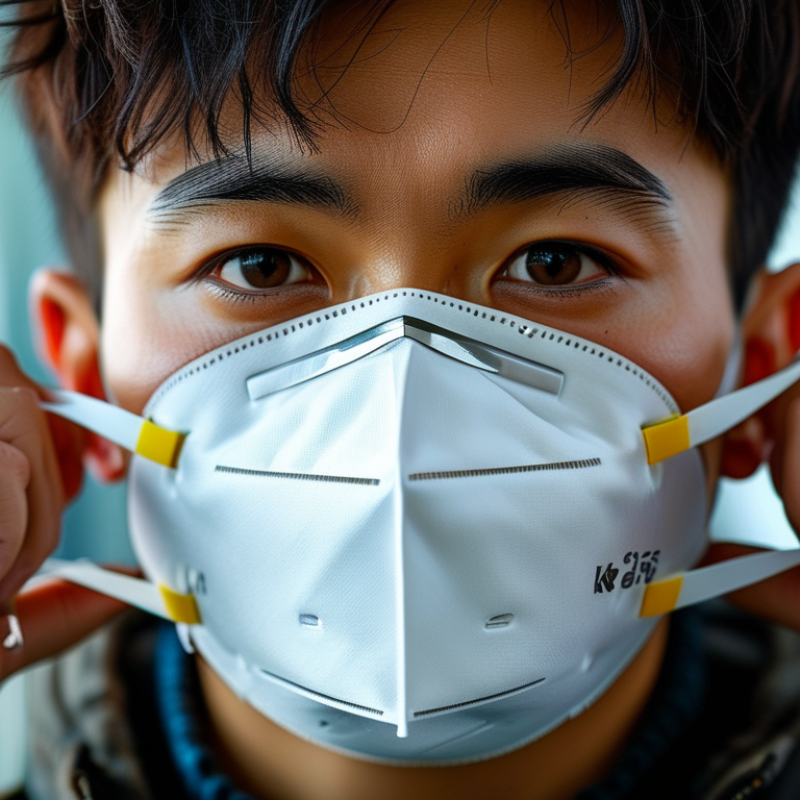
Understanding the importance of KN95 masks for protection is crucial, especially in today’s health landscape. KN95 masks offer a higher level of filtration compared to standard masks. This makes them effective at blocking pathogens, dust, and other harmful particles.
To wear a KN95 mask properly, start by ensuring a snug fit. It should cover your nose, mouth, and chin completely. Gaps can allow unfiltered air to enter, reducing the mask's effectiveness. Remember to avoid touching the front of the mask. Adjust it using the ear loops or head straps until it sits securely.
Another tip is to avoid wearing the mask for extended periods. Over time, the mask can become less effective due to moisture build-up. It’s important to replace it regularly. Keep an eye on the mask for any signs of damage or wear. A torn mask won’t provide proper protection. Lastly, practice good hygiene by washing your hands before and after touching your mask.
Choosing the right size and fit for your KN95 mask is crucial for effective protection against airborne particles. A well-fitted mask ensures that the filtration efficiency is maximized, which is essential in environments with higher risks of exposure. According to a report by the National Institute for Occupational Safety and Health (NIOSH), proper fit can improve the mask's ability to filter out at least 95% of airborne particles when worn correctly.
When selecting your KN95 mask, consider your facial dimensions. Measure from the bridge of your nose to below your chin. Make sure the mask covers your nose, mouth, and chin completely. The side straps should fit snugly without being too tight. A common issue is gaps at the sides. This can significantly reduce filtration efficiency.
To achieve a proper fit, double-check the seal after wearing the mask. Breathe in sharply; the mask should collapse slightly against your face. If it doesn't, adjust the straps or try a different size. Regularly reviewing the fit of your mask can help identify any wear and tear that may compromise its effectiveness. Ultimately, wearing a KN95 mask is a critical tool for your health, and ensuring the right fit is a necessary step toward better protection.
Wearing a KN95 mask effectively is crucial for optimal protection. Start by washing your hands thoroughly before handling the mask. Place the mask over your nose and mouth, ensuring a snug fit. The mask must cover your chin without gaps. Check that the metal strip is positioned at the top, and mold it around your nose for a secure seal.
Adjust the ear loops to eliminate any slack. This part is often overlooked but essential. If loose, it may allow unfiltered air to enter. Many forget to check their fit in a mirror, which is vital. If air escapes from the sides, readjust the mask. Always avoid touching the front of the mask while wearing it. Practice these steps each time for consistency and maximum protection.
| Tip | Description | Importance |
|---|---|---|
| 1. Clean Hands | Wash your hands thoroughly before handling the mask. | Prevents contamination. |
| 2. Inspect the Mask | Check for any damages or defects before wearing. | Ensures maximum protection. |
| 3. Proper Fit | Ensure a snug fit around the nose and chin. | Reduces air leakage. |
| 4. Nose Bridge Adjustment | Mold the nose bridge for a tighter seal. | Enhances filtration efficiency. |
| 5. Avoiding Touching the Mask | Limit contact with the mask surface when worn. | Prevents contamination from hands. |
| 6. Remove Carefully | Take off the mask without touching the front. | Reduces risk of exposure. |
| 7. Disposing Properly | Dispose of used masks in a closed bin. | Helps prevent spread of germs. |
| 8. Store Safely | Keep unused masks in a clean, dry place. | Prevents contamination and preserves effectiveness. |
| 9. Use for Limited Time | Avoid wearing the same mask for extended periods. | Maintains breathability and efficiency. |
| 10. Follow Guidelines | Adhere to local health guidelines for mask use. | Ensures collective safety. |
When it comes to maintaining and storing your KN95 mask, proper practices are essential for optimum protection. A mask can be damaged if not handled correctly. Store your mask in a clean, dry place, away from direct sunlight. Avoid folding it, as this can distort its shape and reduce filtration efficiency. Consider using a breathable fabric pouch for storage. This prevents any potential contamination while allowing air circulation.
Another key aspect is the frequency of use. If the mask appears soiled or shows signs of wear, it’s time to replace it. Utilize a rotation system for masks to ensure each one has ample time to air out. Limit using a KN95 mask to a single day in high-risk environments. For lesser risk situations, you might extend usage up to two or three days. However, always assess the mask for damage or contamination before reuse.
Remember to keep your hands clean when handling the mask. Germs can easily transfer, compromising its protective features. A regular review of storage practices can help in understanding the best methods of prolonging the mask's effectiveness. Reflect on your handling habits; small changes can lead to greater protection.
When wearing a KN95 mask, it's crucial to recognize when to replace it for optimal safety. Masks can become less effective over time due to moisture, dirt, and wear. The Centers for Disease Control and Prevention (CDC) advises replacing masks after prolonged use, especially in heavy pollution areas. Studies indicate that extended use can reduce filtration efficiency by nearly 30%, which exposes wearers to harmful particles.
Monitoring physical signs of damage is important too. If your mask is visibly soiled or damaged, it should be disposed of immediately. The World Health Organization (WHO) emphasizes that even a small breach in material can compromise overall protection. Furthermore, if difficulty in breathing occurs, this may signal that the mask has lost its shape or filtration capacity, necessitating an immediate replacement.
Regular checks on the fit of the mask are essential. A loose fit can lead to air leakage and diminished effectiveness. The National Institute for Occupational Safety and Health (NIOSH) suggests conducting a fit test often to ensure a secure seal. Users should remember: a well-fitted, clean mask can be your best defense against airborne pathogens. Addressing these factors diligently can empower individuals to make informed decisions about their health protection.
: A well-fitted mask maximizes filtration efficiency against airborne particles, ensuring better protection.
Measure from the bridge of your nose to below your chin for an accurate fit.
Look for gaps at the sides. Gaps significantly reduce the mask's filtration efficiency.
Breathe in sharply; the mask should collapse slightly against your face if sealed correctly.
Adjust the straps or consider trying a different size for better fit and protection.
Wash your hands thoroughly to reduce the risk of contamination.
Place it snugly over your nose, mouth, and chin without any gaps.
Adjusting ear loops eliminates slack, preventing unfiltered air from entering the mask.
Confirm the seal in a mirror and readjust if air escapes from the sides.
Avoid touching the front of the mask to maintain its cleanliness and effectiveness.
The article "Top 10 Tips on Properly Wearing a KN95 Mask for Protection" highlights the crucial role that KN95 masks play in safeguarding against airborne particles and viruses. It emphasizes the need to select the right size and ensure a proper fit to create an effective seal around the face. Readers will find detailed steps on how to properly wear a KN95 mask for maximum protection, including positioning the straps correctly and adjusting the nose clip for a snug fit.
Additionally, the article offers practical tips on maintaining and storing the mask properly to prolong its usability. It also provides guidance on recognizing signs that indicate when to replace the mask to ensure optimal safety. Overall, the content serves as a comprehensive resource for anyone looking to enhance their protective measures while wearing a KN95 mask.
