DrSharpe Health
DrSharpe Health
DrSharpe Health
High-efficiency personal safety equipment and custom respiratory masks from our manufacturing facilities.
An authoritative analysis of market supply chains, industrial demands, and material adaptations.
The global demand for protective barriers, specifically Guantes de Latex (latex gloves), has seen significant structural changes. As chemical formulation technologies advance, natural rubber latex remains the benchmark for tactile sensitivity, durability, and biological protection. Key industries including diagnostics, cleanrooms, and chemical processing require high-integrity gloves that minimize micro-tears.
Procuring medical-grade and industrial gloves requires strict compliance with international standards such as EN 455, ASTM D3578, and FDA guidelines. Ensuring a low Acceptable Quality Limit (AQL), typically 1.5 or lower, is crucial for chemical and medical applications. China-based factories have optimized their processing methodologies to consistently meet these strict criteria.
China's industrial clusters for protective personal protective equipment (PPE) leverage automated processing, advanced raw material compounding, and strategic geographical logistics. Factories in provinces like Zhejiang utilize integrated supply chains, advanced water purification, and chlorination processes to yield gloves with superior elasticity and low allergenicity.
Discover how Chinese factories maintain competitive lead times and rigorous quality standards through advanced automation.
In the landscape of medical and industrial barrier manufacturing, efficiency is determined by consistency. High-precision double-former dipping lines allow manufacturers to scale output while maintaining identical thickness across all glove areas. By regulating temperature control and curing times automatically, Chinese exporters minimize chemical waste and optimize natural rubber latex vulcanization.
This systematic refinement significantly lowers raw material consumption. When coupled with advanced water recycling systems, the total cost of production is dramatically reduced, translating to competitive B2B wholesale pricing. This efficiency extends beyond standard disposable latex products to encompass integrated manufacturing frameworks, including protective masks, dry sanitary sheets, and specialized medical PVC components.
Sourcing high-purity natural and synthetic latex compounds to ensure minimal extractable protein levels, lowering the risk of Type I allergic reactions.
On-line chlorination systems create smooth internal surfaces, making the gloves easy to don without using cornstarch powders.
High-speed optical sensors scan glove formers in real-time, detecting micro-pinholes, soot, and structural variations instantly.
Direct connectivity to deep-water ports (such as Ningbo and Shanghai) ensures swift, cost-effective shipping for bulk global containers.
A professional manufacturer and global supplier specializing in high-quality medical and healthcare solutions.
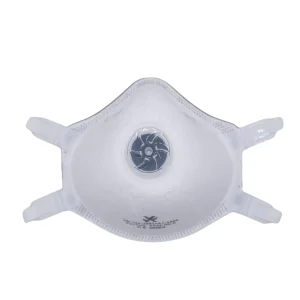
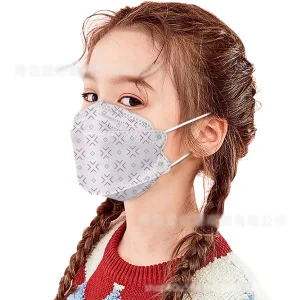
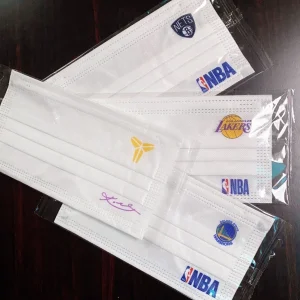
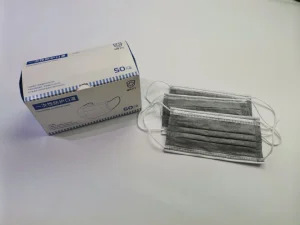
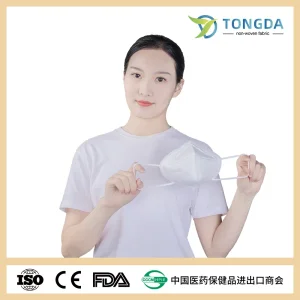
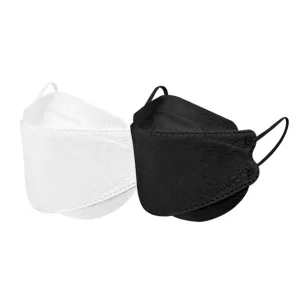
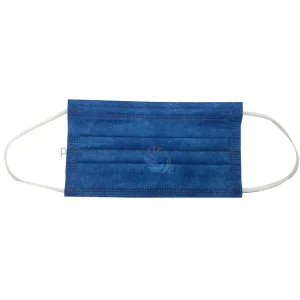
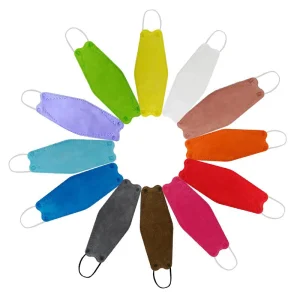
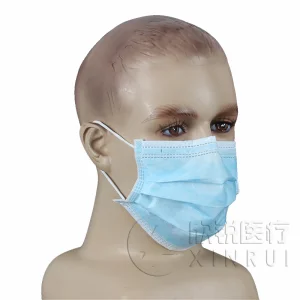
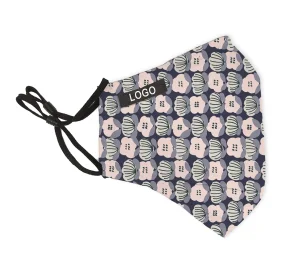
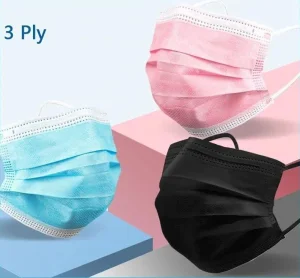
Zhejiang DrSharpe Health Co., Ltd. is dedicated to manufacturing and supplying premium medical and healthcare products worldwide, focusing on advanced protective face masks, specialized hygienic wipes, and customized health solutions.
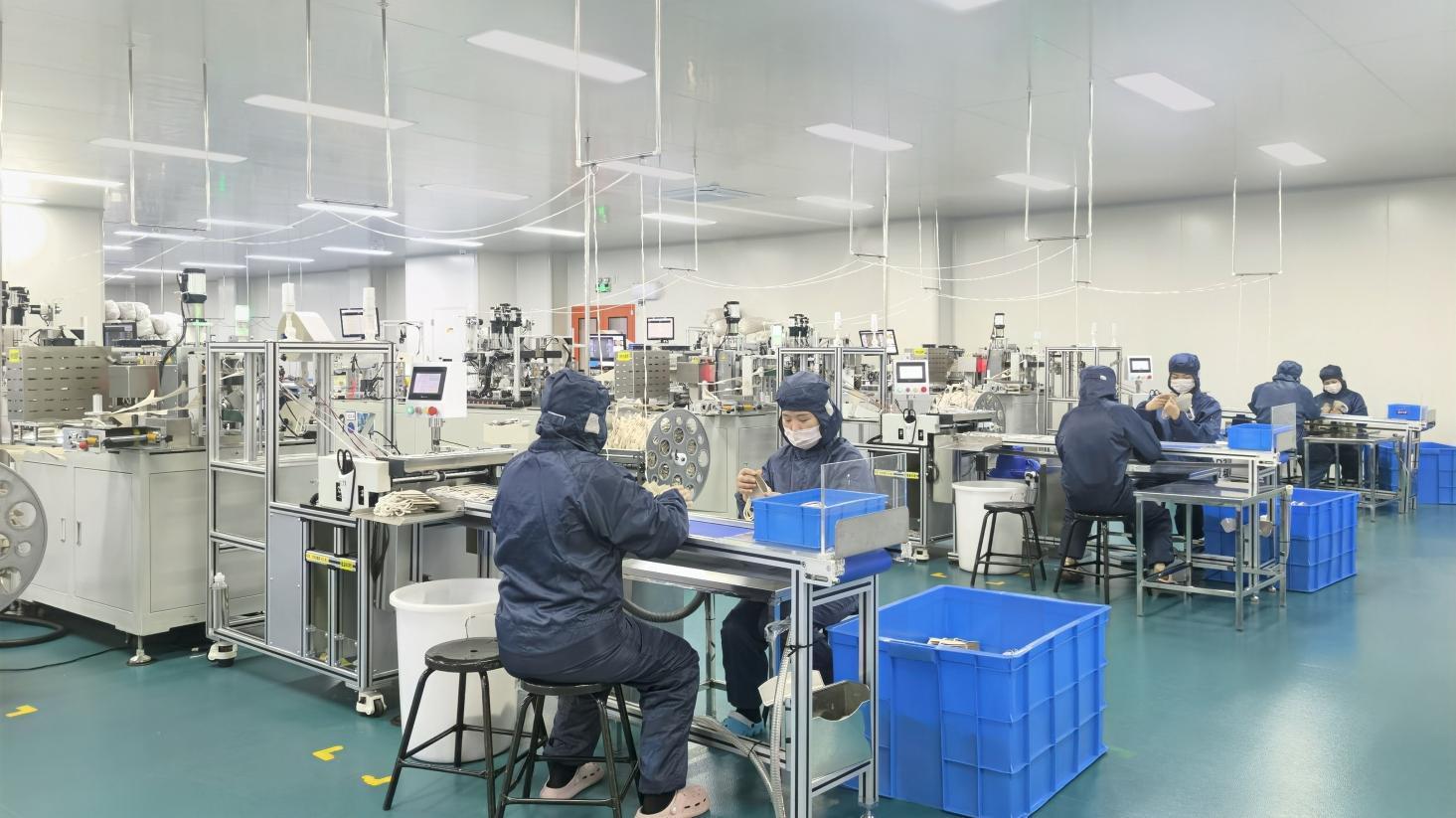
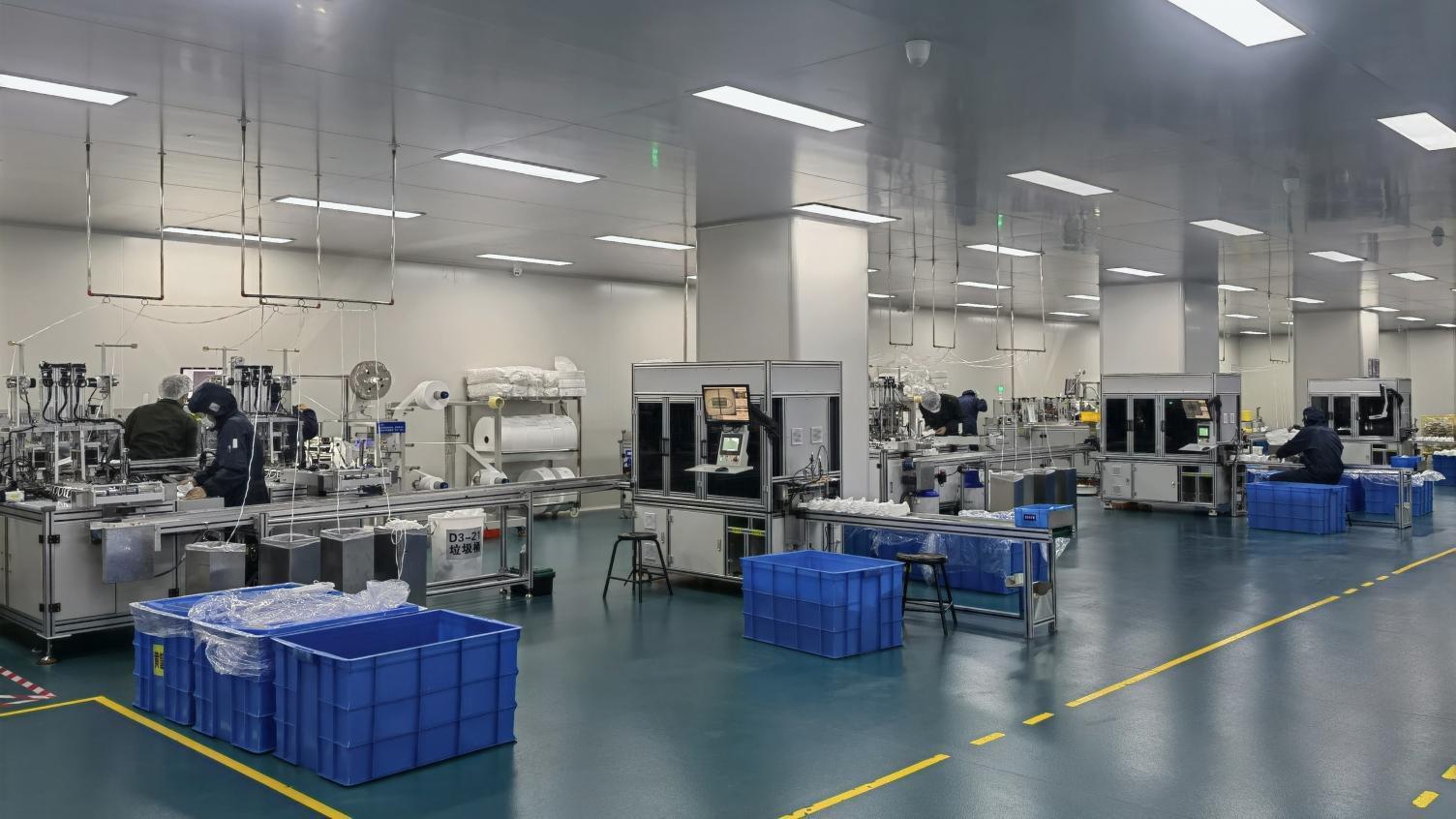
With strong manufacturing capabilities, advanced production technology, and strict quality management, DrSharpe is committed to providing safe, reliable, and comfortable healthcare products for customers worldwide. Our production lines feature 5 fully automatic mask production machines and 12 semi-automatic mask production machines, supported by an experienced production and technical team. From raw material selection to final packaging, we strictly control every production process to ensure stable quality and reliable supply. Our products are widely exported to international markets including the United States, Europe, Japan, Mexico, Germany, and the United Kingdom.
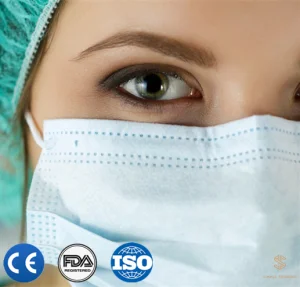
Using advanced filtration materials, our mask products achieve up to 99% Bacterial Filtration Efficiency (BFE) and 99% Particle Filtration Efficiency (PFE), offering excellent protection and comfort. Our factory processes comply with international standards and have obtained certifications including CE, US FDA, and US EUA. We continuously innovate to meet growing global demands, supporting long-term B2B partnerships with tailored OEM/ODM options.


Adapting latex and synthetic protective materials to diverse industrial demands and safety norms.
In operating rooms and diagnostic labs, latex gloves remain the gold standard. They provide tactile feedback and physical elasticity that synthetic options cannot match, protecting healthcare workers from bloodborne pathogens and contaminants.
For semiconductor cleanrooms, powder-free, chlorinated latex and nitrile products prevent electrostatic discharge (ESD) and reduce particle shed. Strict ionic cleaning protocols ensure microchip yields are not affected by trace residues.
Food processing plants require certified food-safe gloves that comply with FDA 21 CFR regulations. High puncture resistance prevents tearing when handling poultry, seafood, and high-grease products, ensuring food chain hygiene.
The global latex glove industry is moving toward environmental sustainability. Researchers are developing biodegradable natural latex formulations that break down in municipal landfills within a few months, rather than decades, while maintaining the glove's high tensile strength.
Additionally, modern automated visual sorting systems are being integrated directly into glove lines, minimizing packaging errors and ensuring consistent box counts. This aligns with global demand for sustainable products and helps B2B buyers meet their environmental goals.
Key parameters for international procurement agents, QA specialists, and purchasing managers.
Always verify test reports from certified labs, including SGS or TUV. Ensure that testing conforms to EN 374 (for chemical resistance) and EN 455 (for medical applications). Check the factory's ISO 13485 certification for medical device quality management.
AQL (Acceptable Quality Limit) determines the proportion of defective gloves in a batch. Medical gloves typically require AQL 1.5 or lower, while non-medical, general-purpose gloves accept AQL 2.5 or 4.0. Clarifying AQL targets in contract drafts protects your shipment quality.
Natural latex gloves degrade more quickly than nitrile when exposed to ozone, heat, and direct sunlight. To ensure a stable 3-to-5-year shelf life, confirm that the factory uses balanced vulcanization and stores finished goods in temperature-controlled warehouses.
Answers to common B2B questions regarding latex gloves manufacturing, supply chains, and certifications.
Natural latex gloves offer exceptional elasticity, tear resistance, and tactile sensitivity, making them popular for intricate medical procedures. Nitrile gloves provide better chemical resistance and are allergen-free, while vinyl is a cost-effective choice for low-risk, short-term tasks.
Chinese factories rely on highly automated double-former dipping lines, efficient heat recycling, and local chemical compounding. The presence of major commercial ports (like Ningbo and Shanghai) also minimizes shipping costs, keeping prices competitive.
Standard lead times range from 25 to 40 days, depending on customization (OEM packaging, sizing mixes). Standard, non-custom orders can ship faster if pre-certified materials are in stock.
Chlorination treats the latex surface with chlorine gas or solution, reducing tackiness and wash-off proteins for easier donning. Polymer coating applies an acrylic or polyurethane layer to the glove's interior, providing a smooth finish without altering the glove's natural color.
For Europe, require CE conformity declarations and EN 455 or EN 374 certificates. For North America, request FDA 510(k) clearances or ASTM D3578 compliance reports. A reputable manufacturer will provide these verified documents upon request.
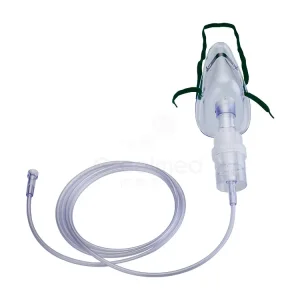
Select from our certified range of face masks, respiratory equipment, and cleanroom disposables.