DrSharpe Health
DrSharpe Health
DrSharpe Health
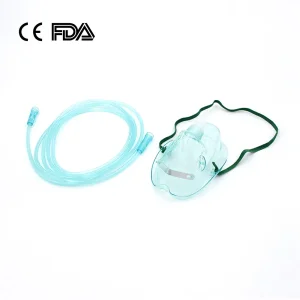
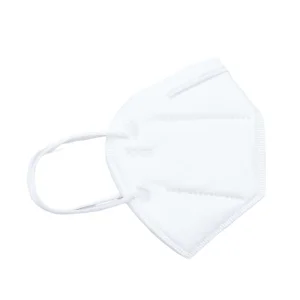
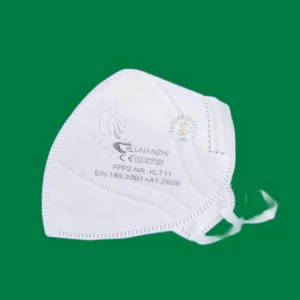
Explore our highly requested safety wear masks, trusted by clinical, cleanroom, and industrial engineering facilities globally.

Authorized Manufacturer of Grade-A Respiratory Defense and Sanitary Materials
Zhejiang DrSharpe Health Co., Ltd. is a leading global supplier specializing in premium disposable medical and personal protection equipment (PPE). Built upon clinical precision, high-tech manufacturing, and strict international quality systems, DrSharpe is committed to protecting frontline personnel and industrial workforces. We provide a full spectrum of safety wear masks and sanitizing products designed to perform under demanding health and industrial standards.
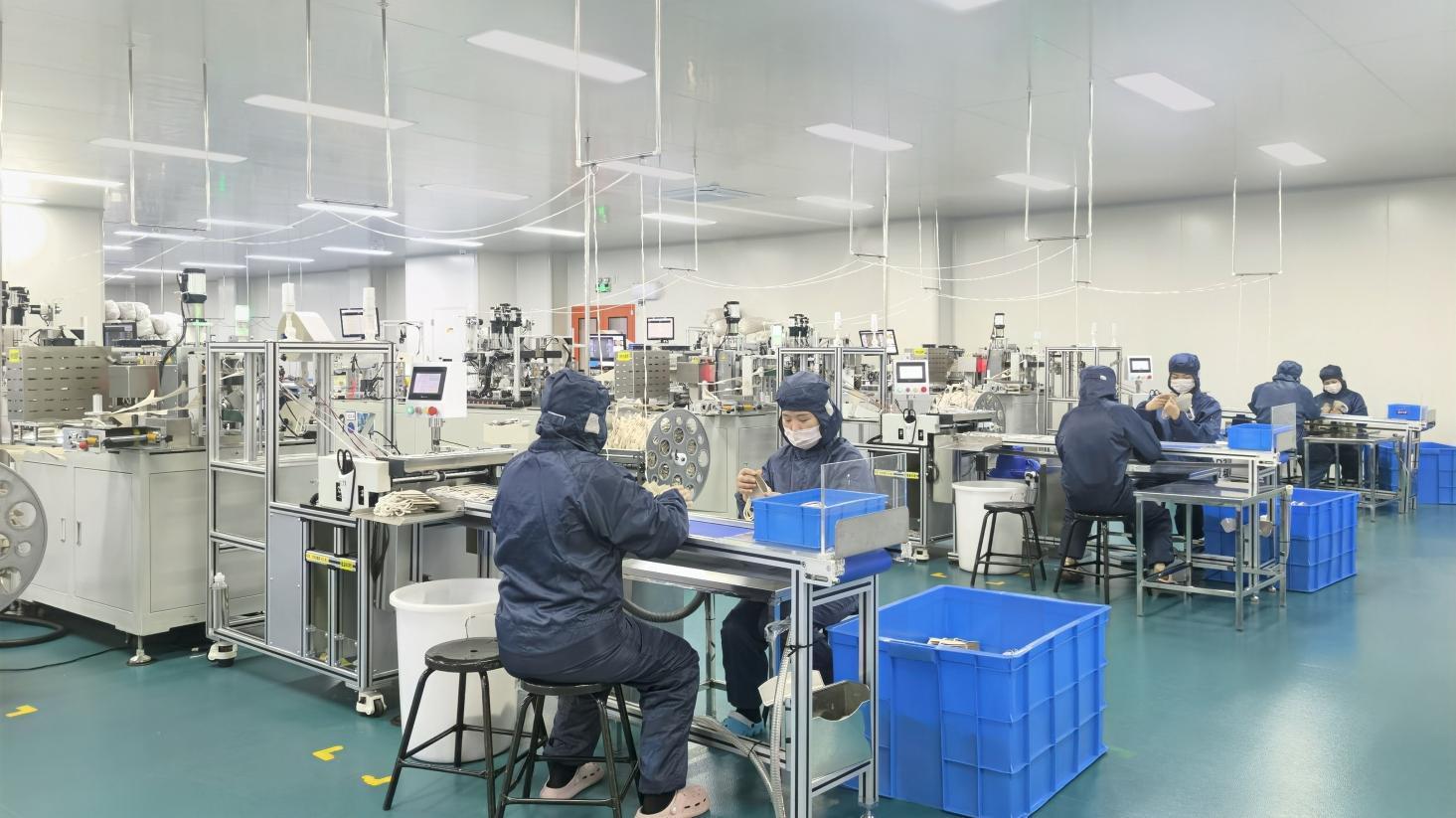
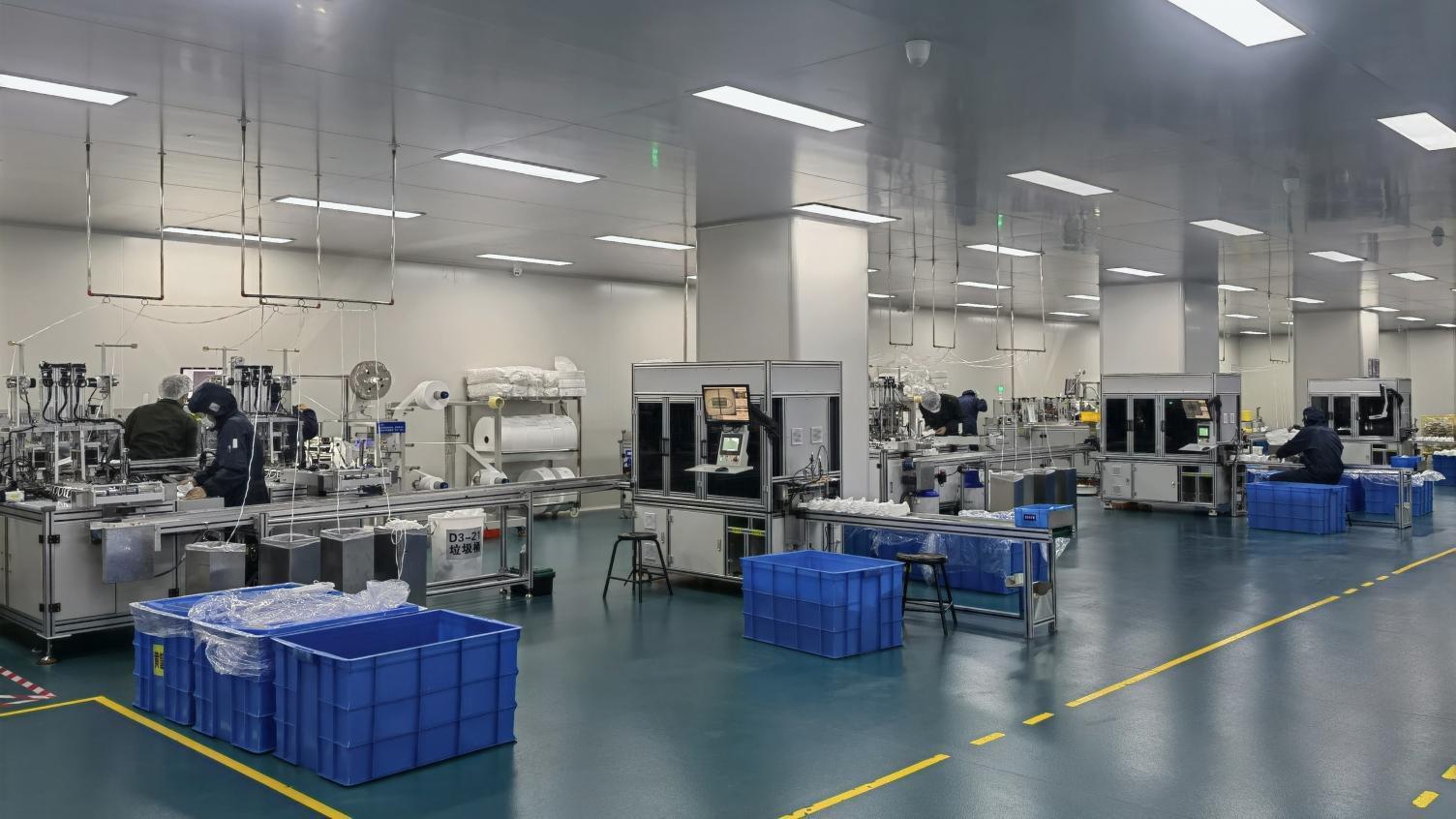
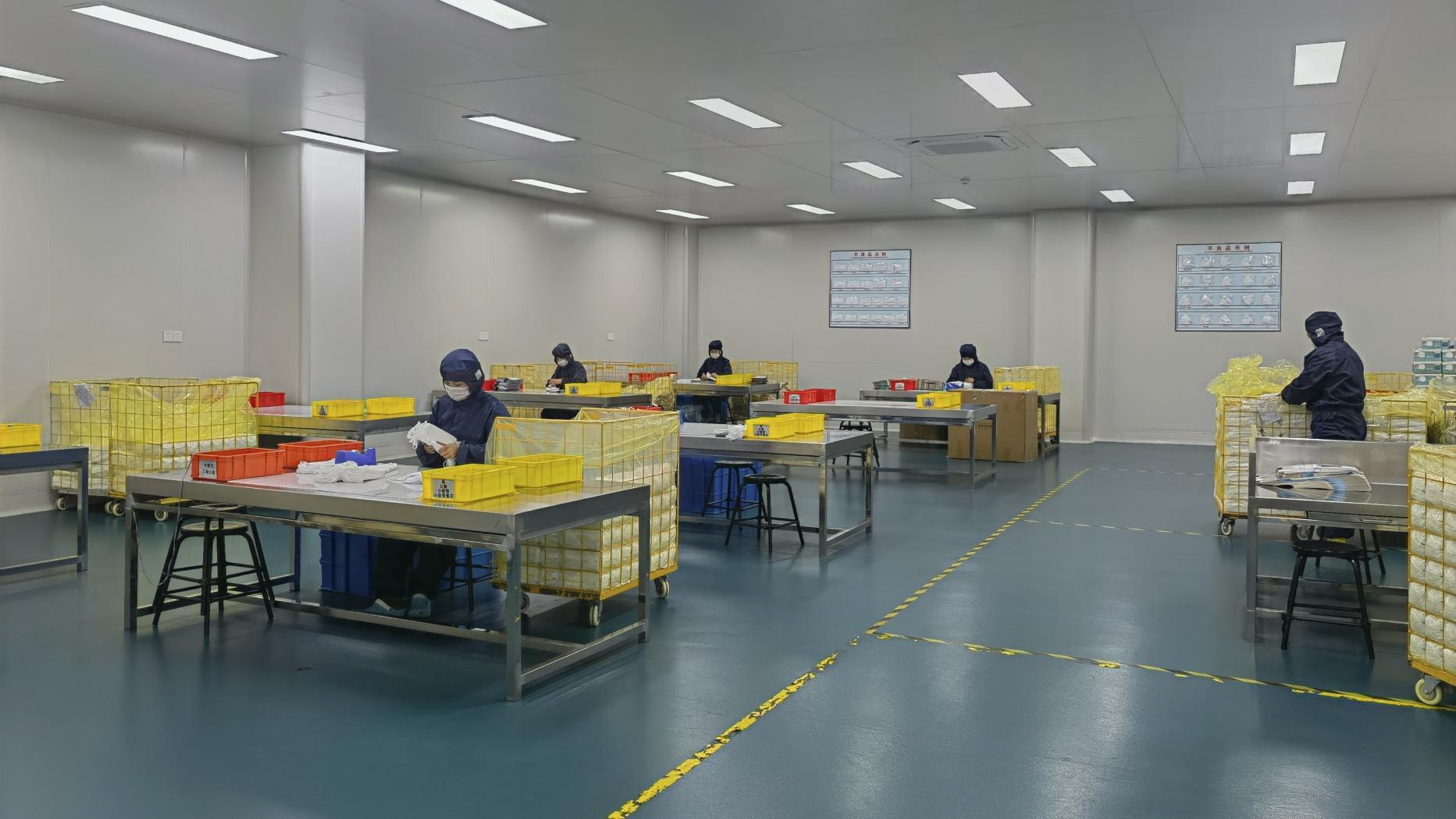
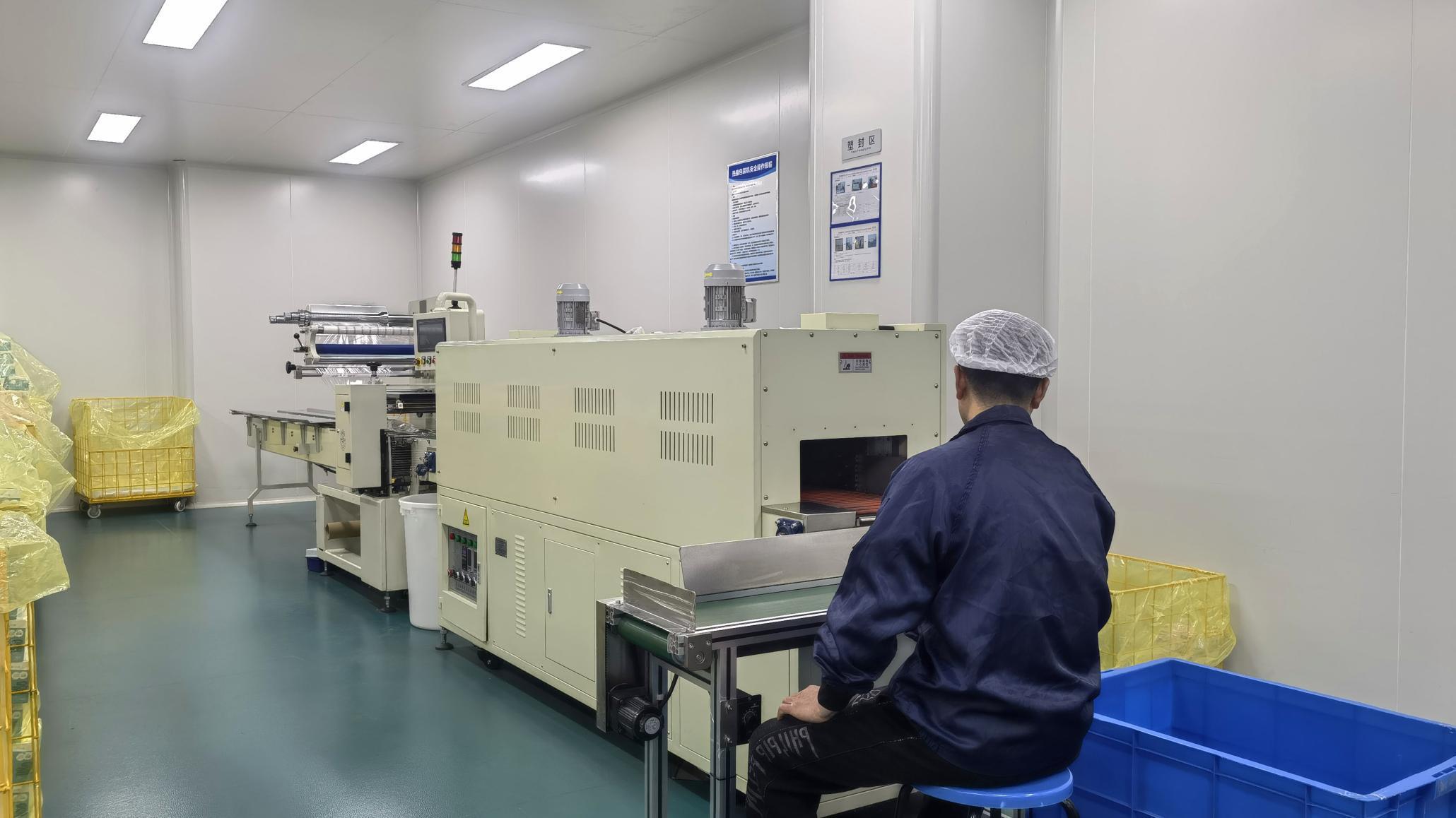
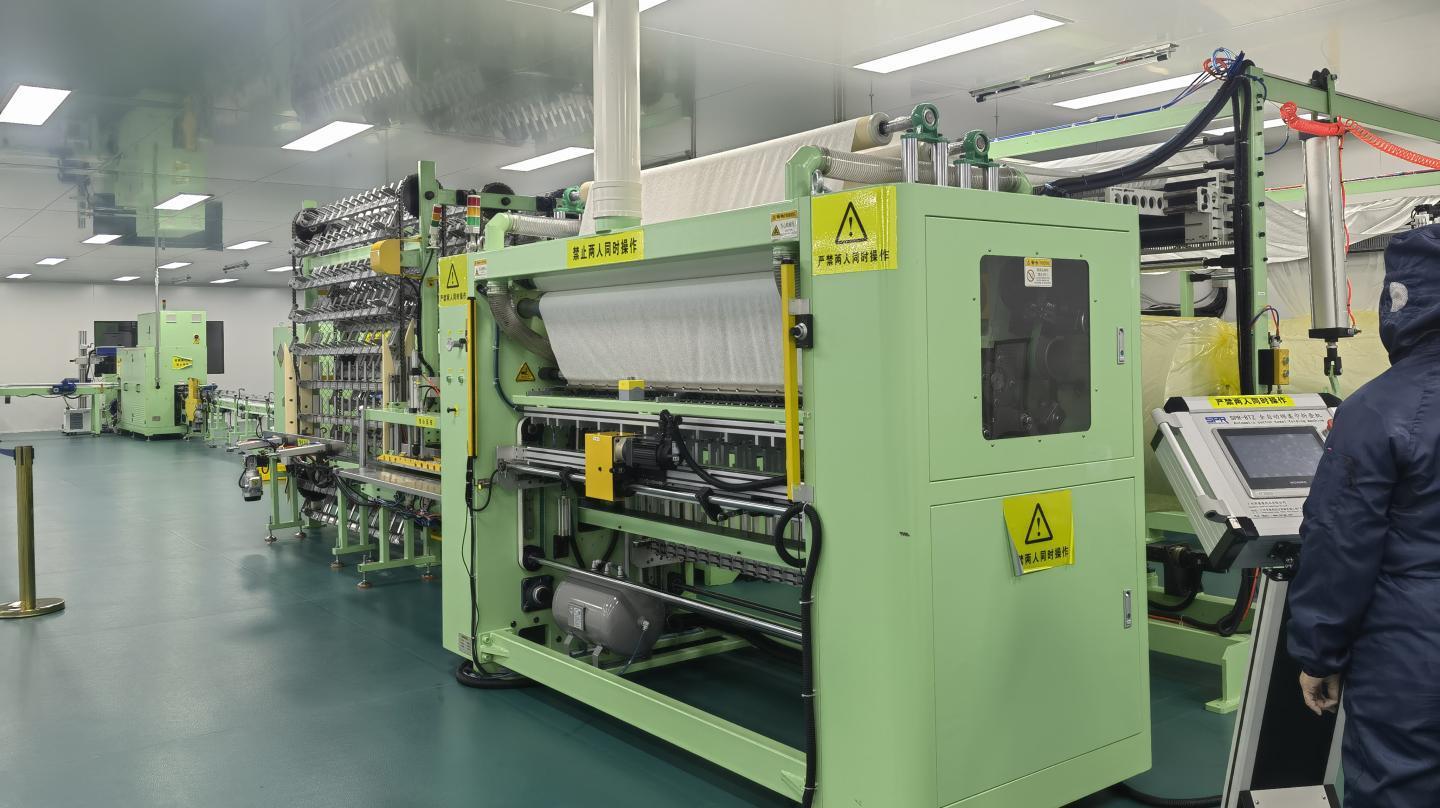
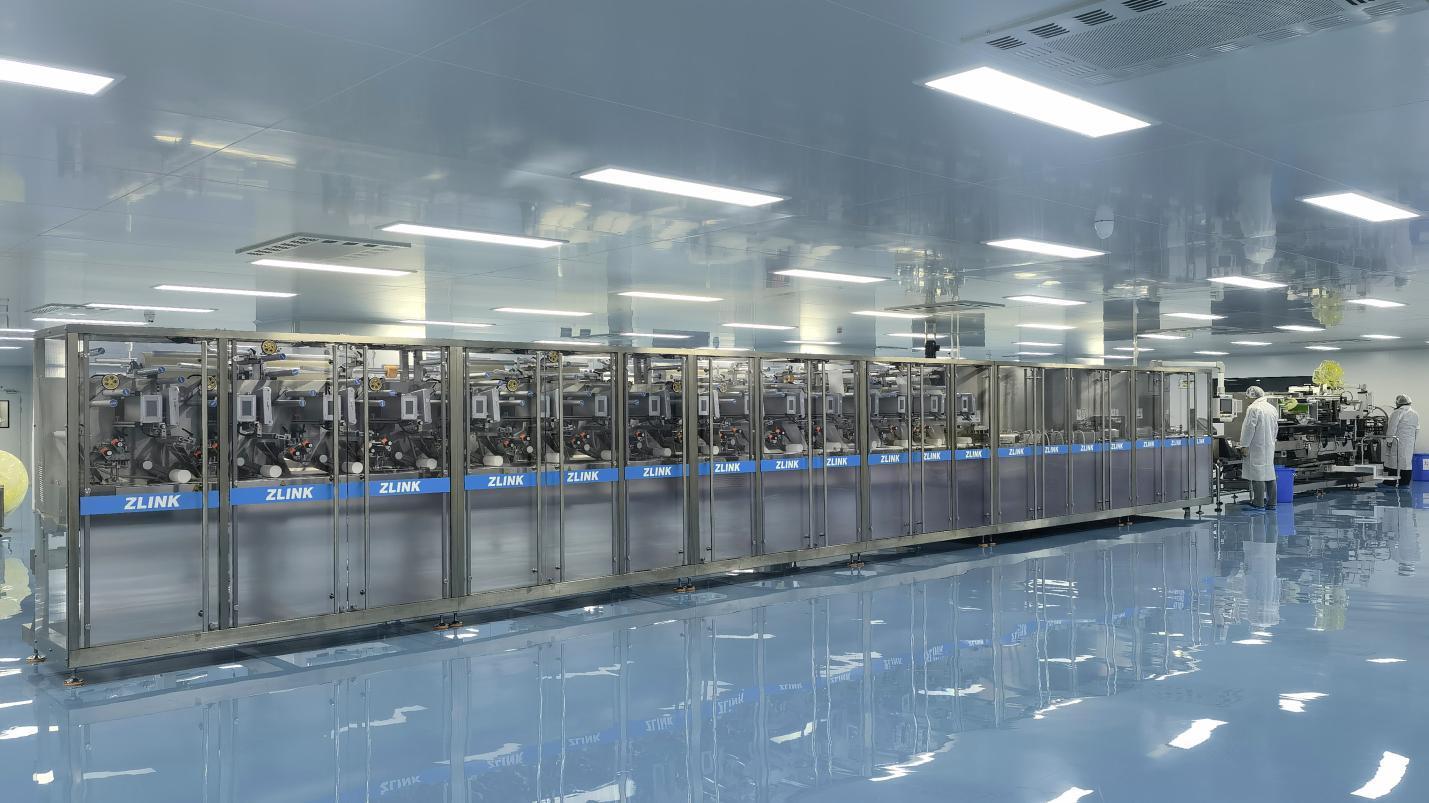
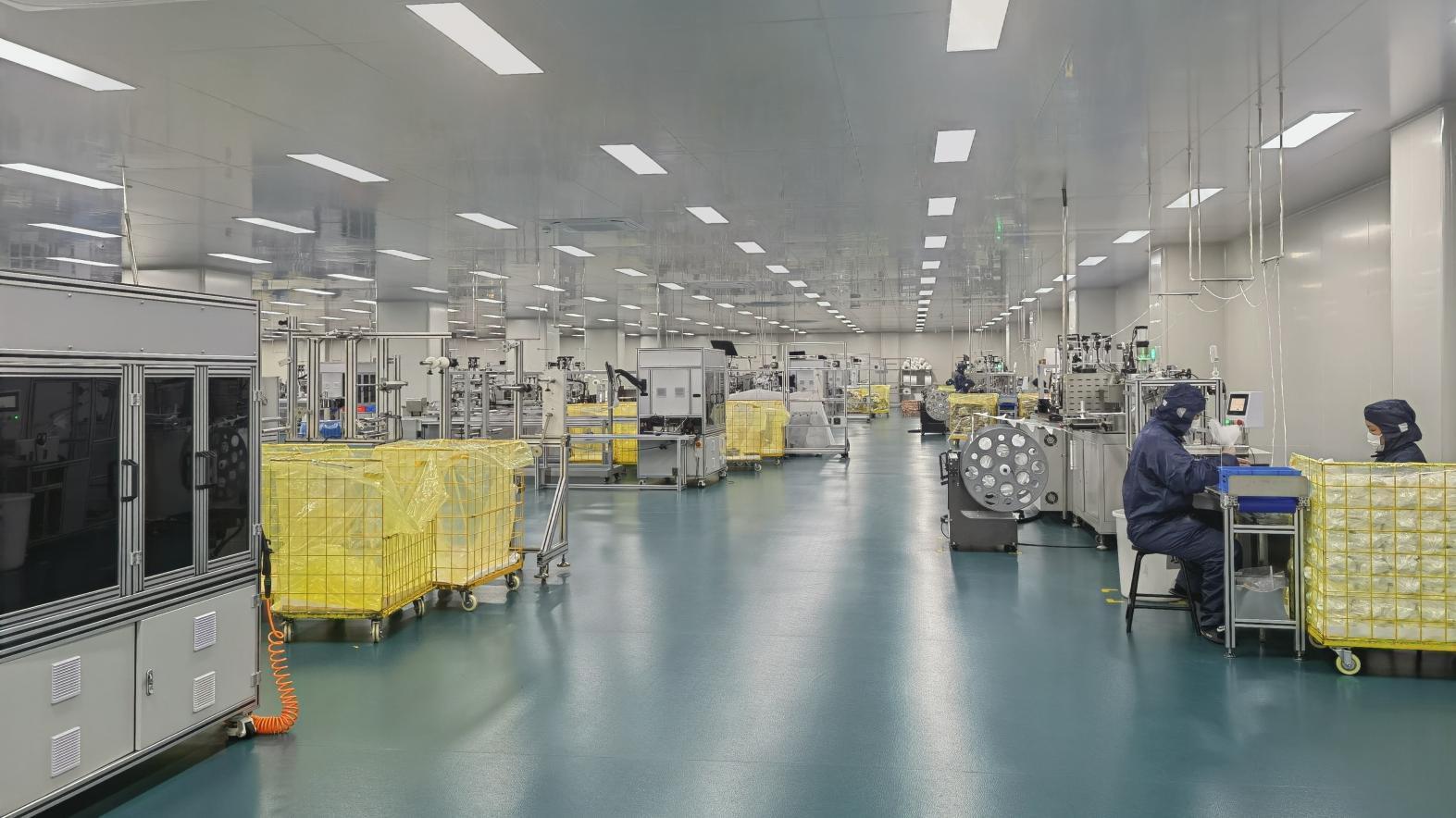
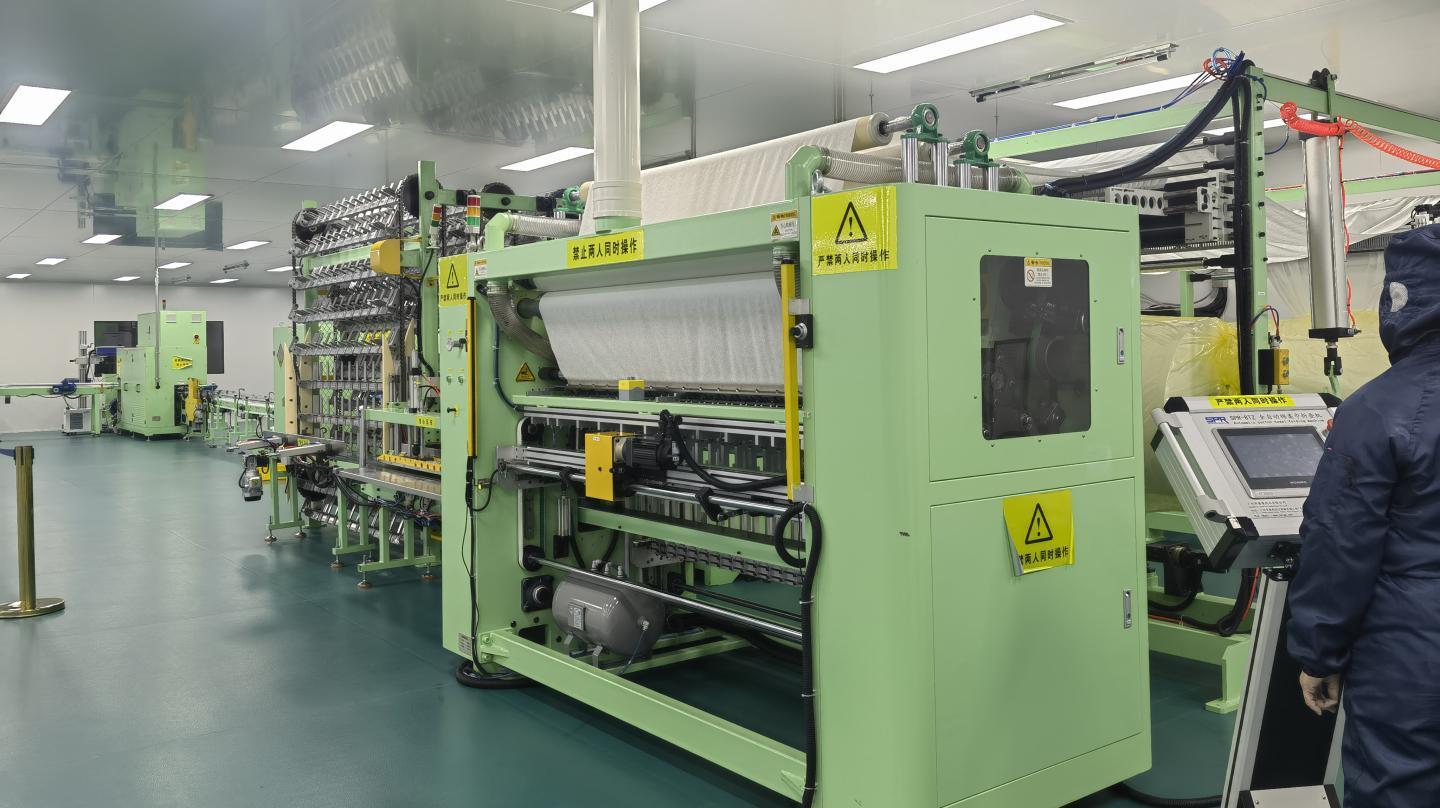
Our manufacturing complex in Zhejiang features state-of-the-art automation designed to produce medical-grade barriers. Currently running 5 fully automatic mask production lines and 12 semi-automatic mask production lines, our dedicated engineers and quality controllers maintain consistent supply volumes. We ensure every batch conforms to rigid quality benchmarks, exporting to key markets including the United States, Europe, Japan, Mexico, Germany, and the United Kingdom.
In recent years, the global safety wear mask industry has shifted from reactive pandemic-driven purchasing to proactive, risk-aware industrial safety procurement. Enterprises now focus on long-term sustainability, physiological comfort, and advanced materials. Today's safety masks are engineered protective products that prevent occupational hazards, filter out fine particulate matter (PM2.5), and control bio-aerosol transmission.
A key development is the emergence of electrostatic electret charging technology within meltblown filter media. Traditional filters relied purely on physical sieve mechanisms, which reduced airflow and caused fatigue. Modern safety masks utilize high-charge electret media, attracting sub-micron particles electrostatically. This ensures high filtration efficiency while maintaining low breathing resistance.
Environmental footprint is another critical trend. Leading global manufacturers are actively developing and testing biodegradable spunbond outer layers, such as PLA (polylactic acid), to reduce plastic waste without compromising the physical strength and splash resistance required by clinical protocols.
Procuring respiratory protective equipment for international organizations requires strict compliance with domestic and international safety standards. A failure to inspect quality systems can lead to customs delays, regulatory fines, and inadequate workforce protection. Enterprise buyers must verify three essential components:
By partnering with Zhejiang DrSharpe Health Co., Ltd., global enterprises work with a supplier that maintains CE, US FDA, and US EUA registrations. Our certifications guarantee frictionless custom clearance and compliance with localized occupational safety mandates.
Our masks maintain a verified ≥99% Bacterial Filtration Efficiency (BFE) and Particle Filtration Efficiency (PFE), protecting against micro-particulates and fluid spray.
Operating 5 fully automatic and 12 semi-automatic production lines, we ensure high daily throughput and consistent manufacturing quality.
With years of export experience to Europe, the USA, Japan, and Mexico, we provide smooth logistics and customs handling.
Different industrial and healthcare environments require targeted protective gear. DrSharpe provides specialized solutions to meet these distinct requirements:
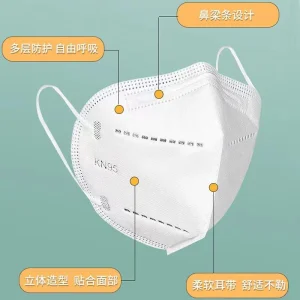
In semiconductor and electronics manufacturing, airborne particles and static discharge can destroy delicate microchips. Our Factory Es Face Mask for Electronics with Anti-Static Dust Protection features specialized materials that prevent static charge buildup while catching skin flakes and microscopic dust particles.
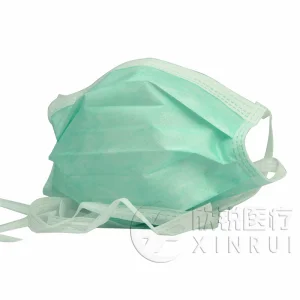
Operating rooms and clinical clinics require strong barrier protection against fluids and pathogens. Our 3-Ply Non-Woven Medical Supply Disposable Surgical Face Mask with Tie-on Bands and 5 Ply Nonwoven Medical Surgical Face Mask protect both medical professionals and patients, exceeding standard EN 14683 Type IIR and ASTM Level 3 requirements.
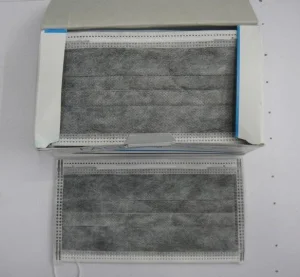
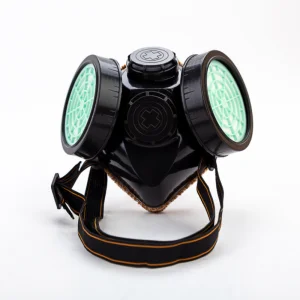
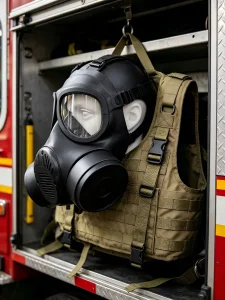
For operations dealing with organic vapors, dust, and fine chemical powders, standard single-use masks are insufficient. We offer the Double Activated Carbon Filter Safety Gas Mask Chemical Respirator and High Efficiency Activated Carbon Filter Type Full Face Gas Mask, which absorb harmful gases and filter out hazardous airborne particulates.
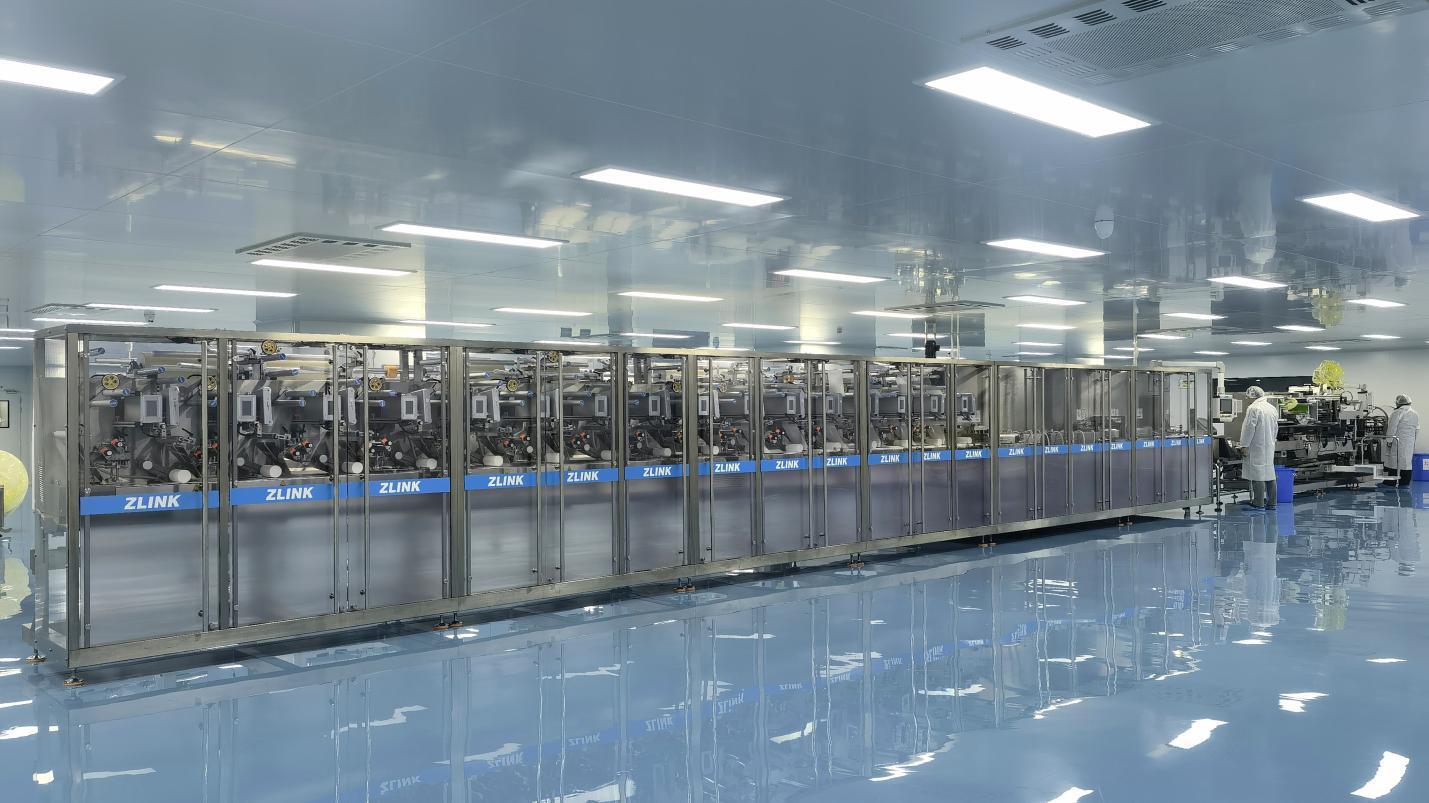
Inside the Zhejiang DrSharpe Health manufacturing site, where cleanroom production meets automated efficiency.
Exporting safety equipment requires navigating complex import frameworks. Different regions apply unique testing methods to evaluate respiratory products:
In the United States, the Food and Drug Administration (FDA) regulates surgical masks under 21 CFR 878.4040, requiring a 510(k) premarket notification. Meanwhile, the National Institute for Occupational Safety and Health (NIOSH) oversees N95 particulate respirators. In the European Union, disposable surgical masks fall under the Medical Device Regulation (MDR 2017/745), whereas protective respirators (such as FFP2 or FFP3) are governed by the Personal Protective Equipment (PPE) Regulation (EU) 2016/425.
DrSharpe supports international buyers with localization services, including customized packaging that complies with EU and US labeling requirements, detailed instruction booklets in multiple languages, and complete batch documentation to ensure smooth customs clearance.
Our research and development team is continually improving our mask designs to provide better protection and comfort. Our development plan focuses on three primary areas:
Common questions regarding global standards, certifications, and product configurations.
Advanced particulate filtration and heavy-duty gas protection systems built for industrial and specialized use.