DrSharpe Health
DrSharpe Health
DrSharpe Health
Engineered barriers matching international safety classifications for medical, industrial, and allergy prevention applications.
In the contemporary environmental landscape, the demand for airborne particulate protection has transitioned from an occasional safety measure to an essential element of public health and occupational hygiene. Airborne allergens such as pollen (10–100 μm), mold spores (2–20 μm), dust mite feces (10–40 μm), and ultra-fine industrial dust present severe challenges to global populations. This shift has elevated the role of specialized industrial manufacturers who supply certified barrier solutions.
As a leading entity in this sector, Zhejiang DrSharpe Health Co., Ltd. stands as a professional manufacturer and global supplier specializing in disposable medical, healthcare, and advanced filtration products. By deploying advanced material science, we produce masks that serve as dependable barriers against environmental allergens, protecting sensitive respiratory pathways and ensuring occupational safety across diverse climates and industries.
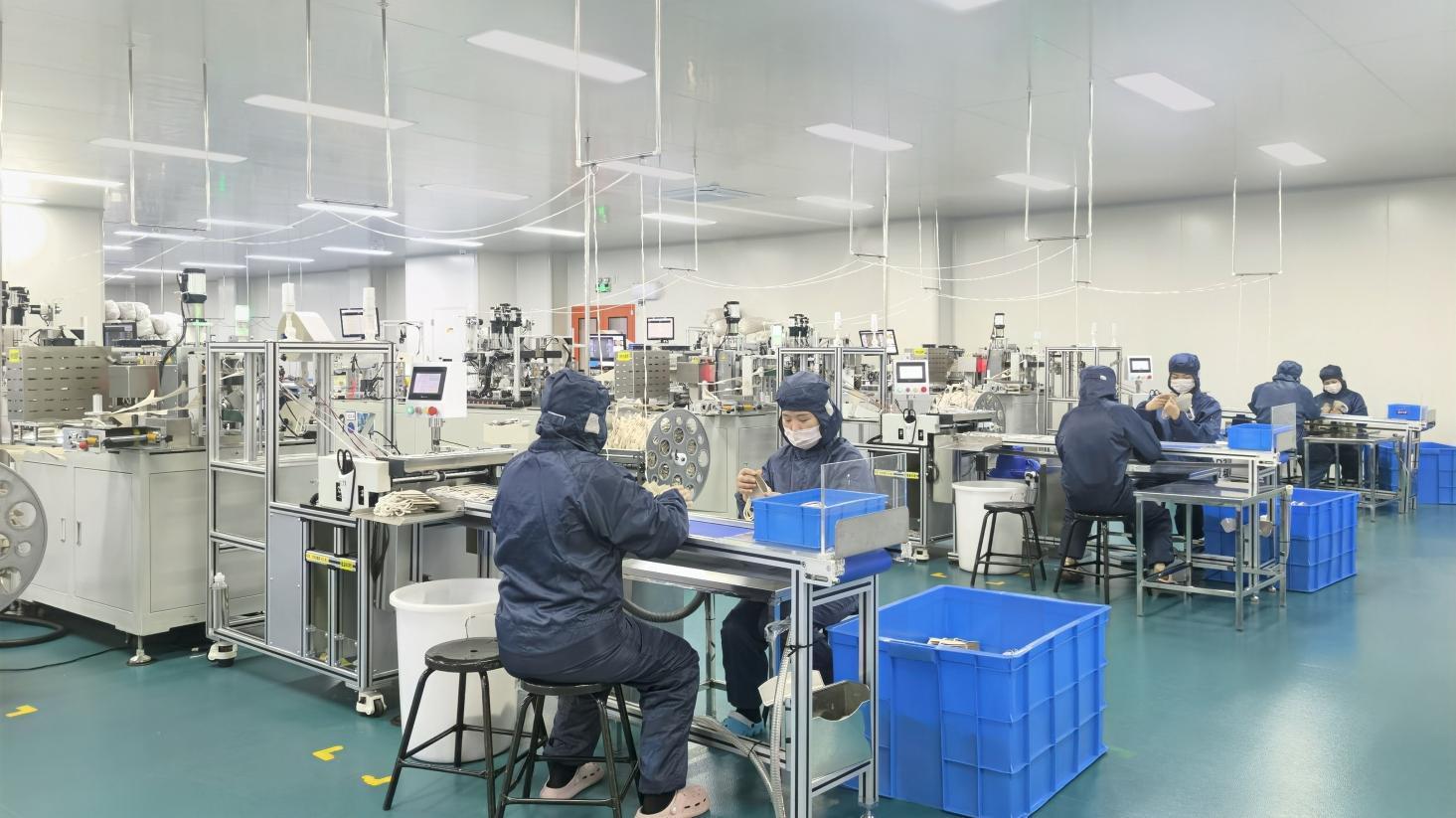
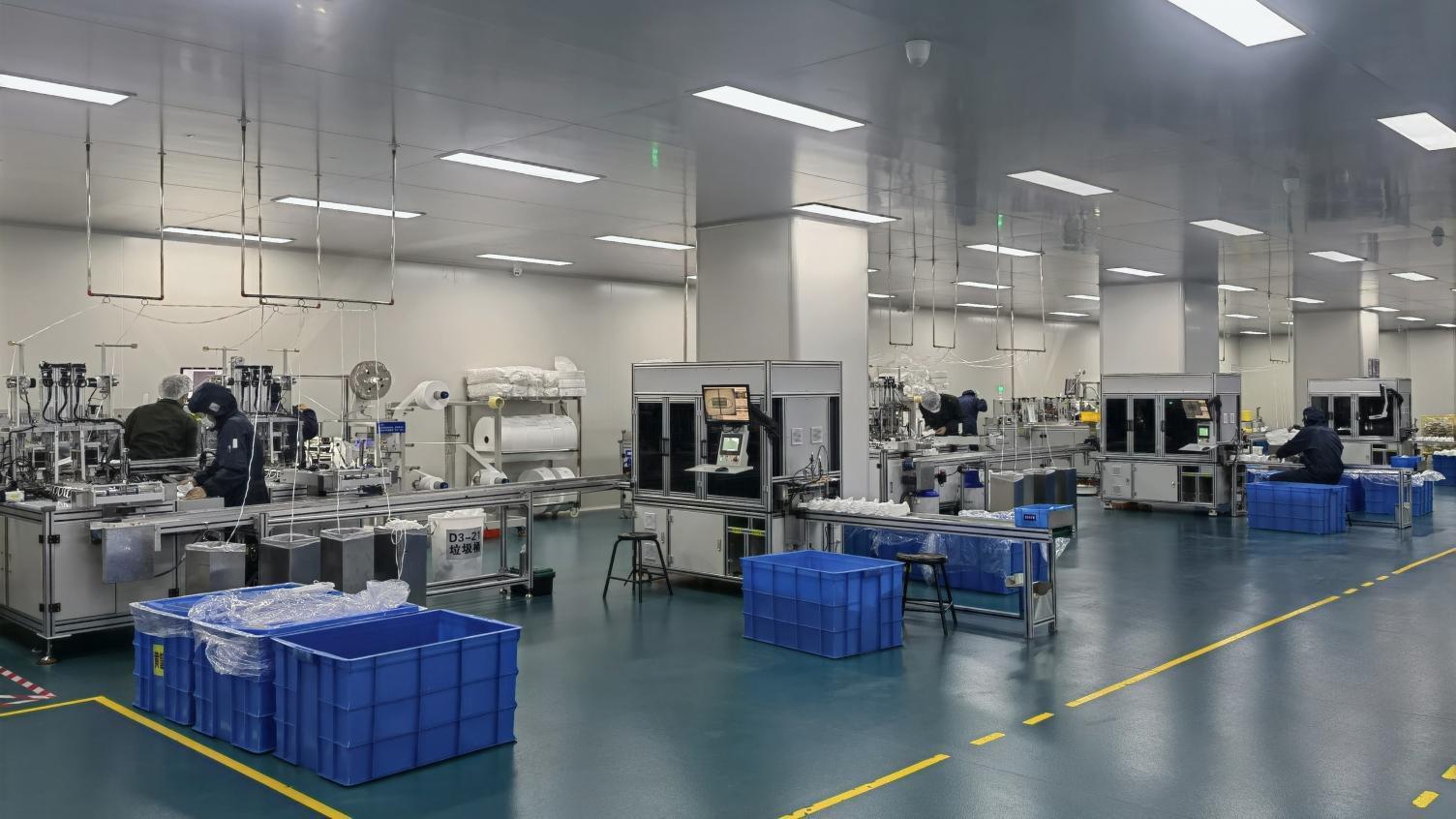
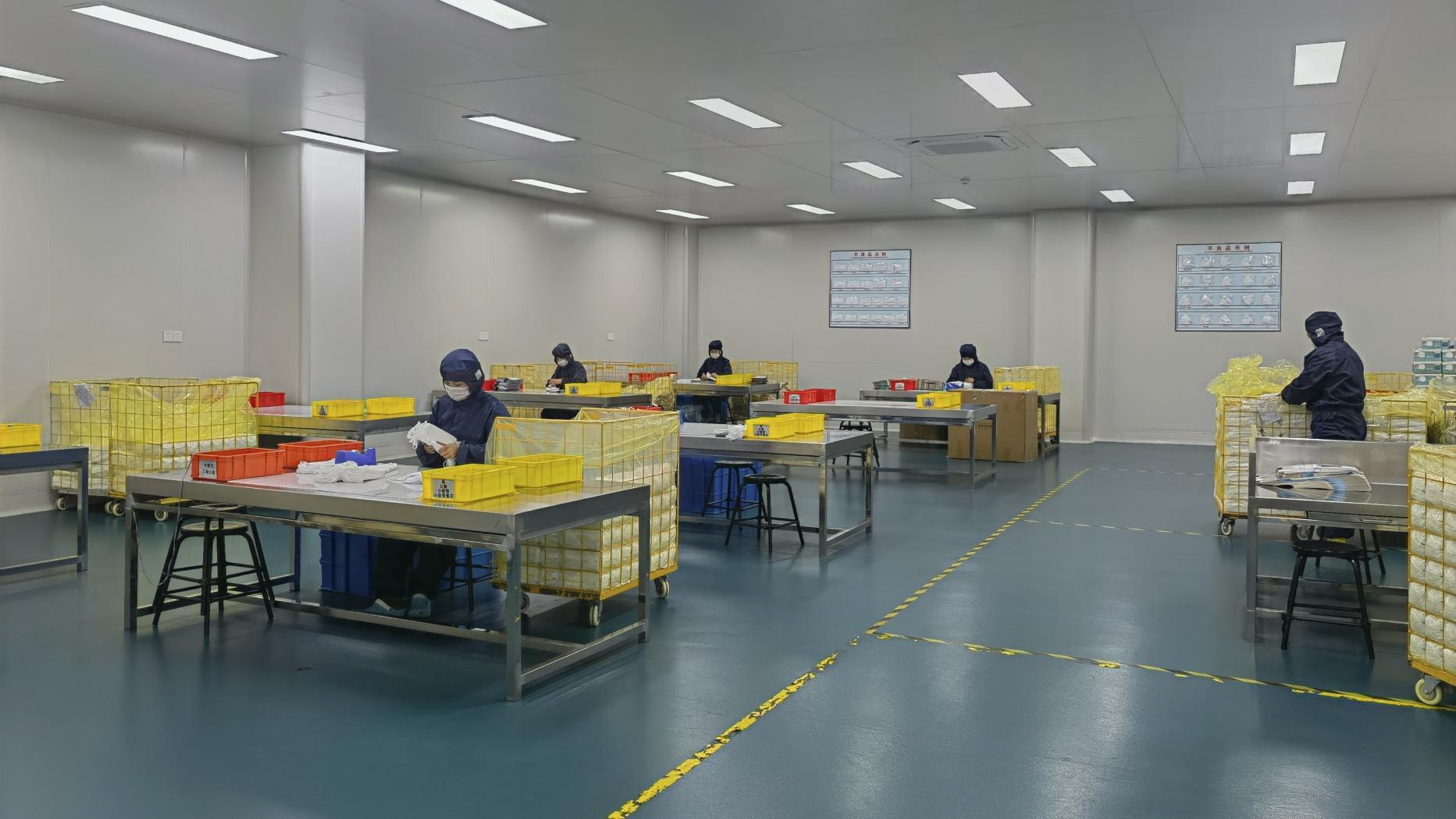
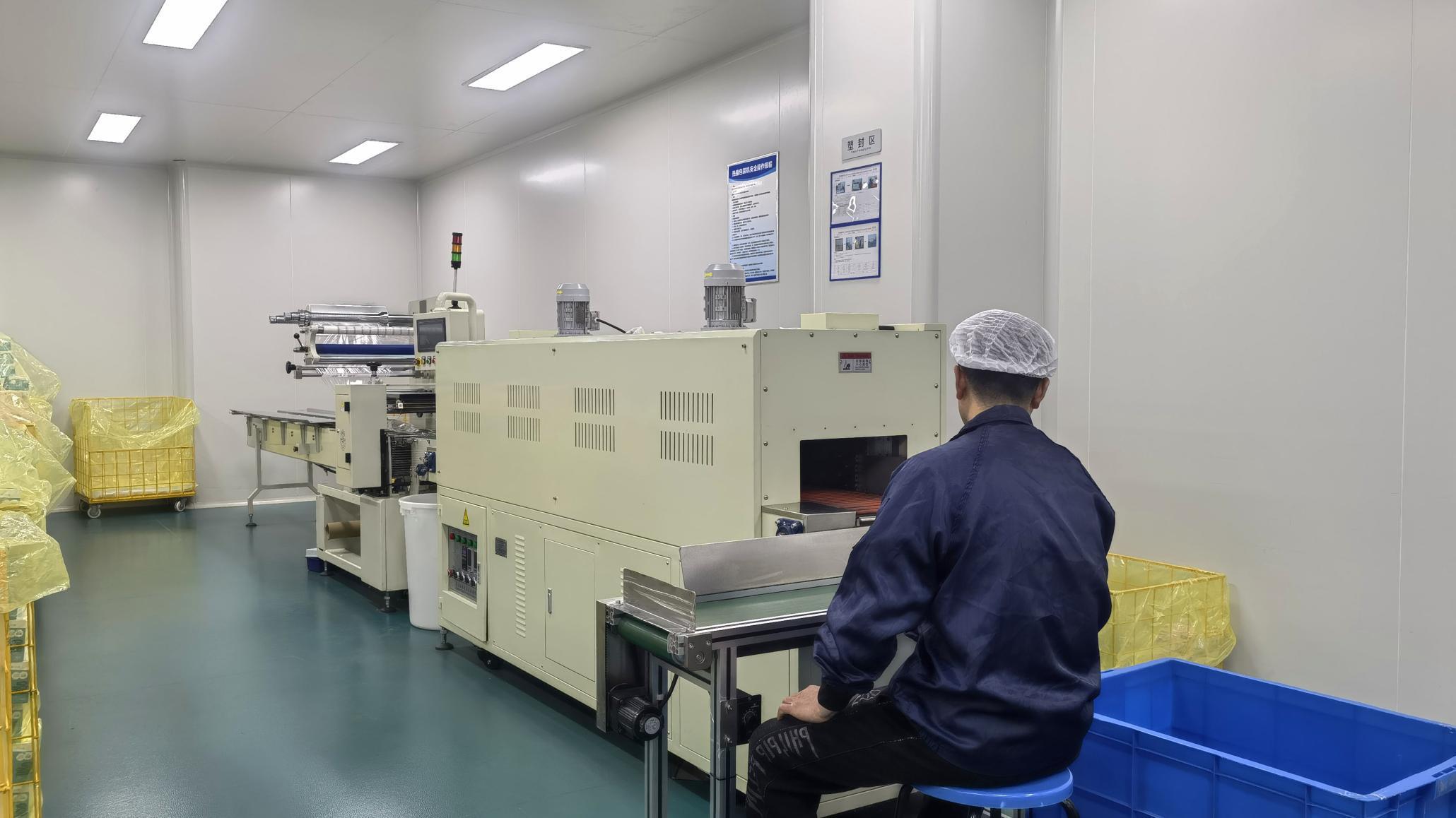
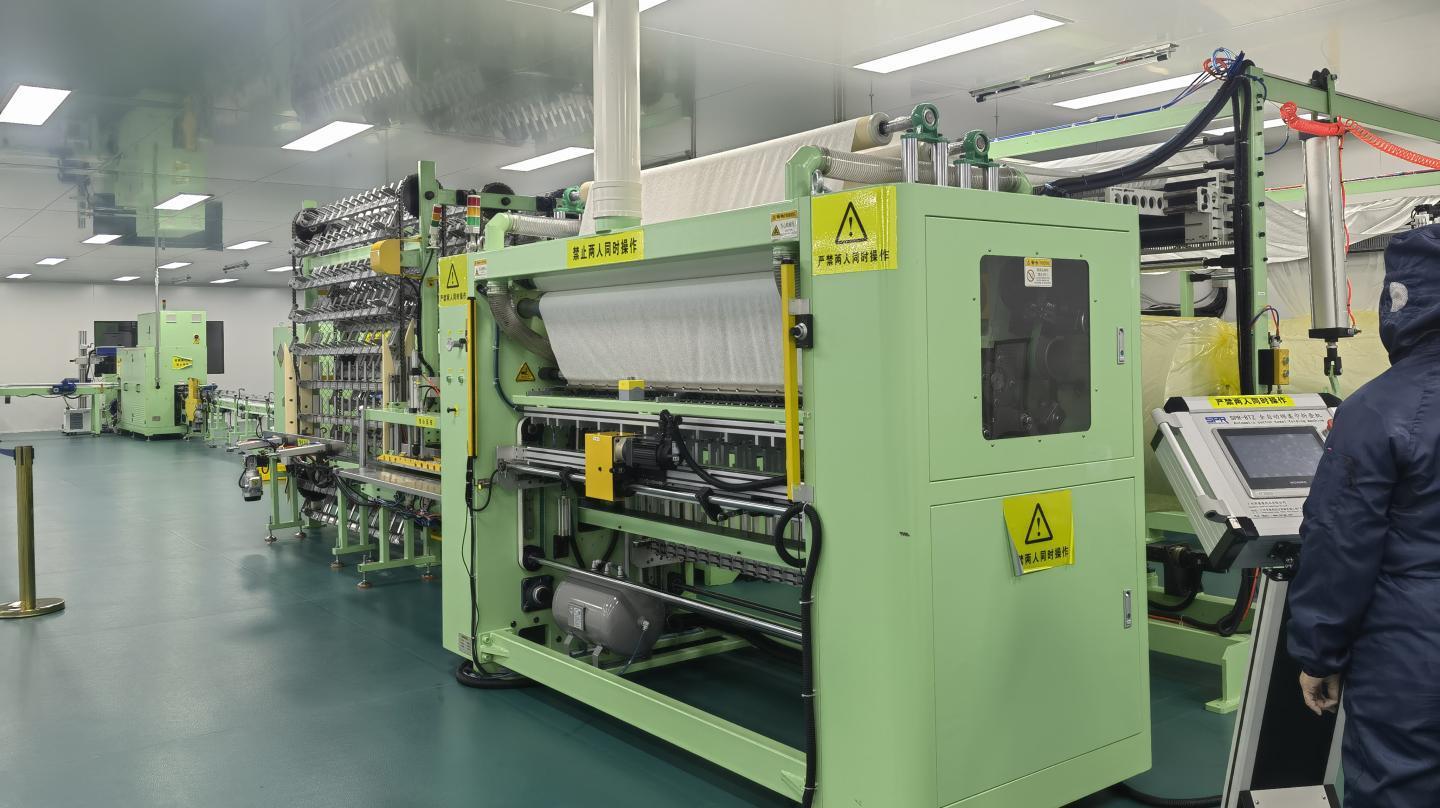
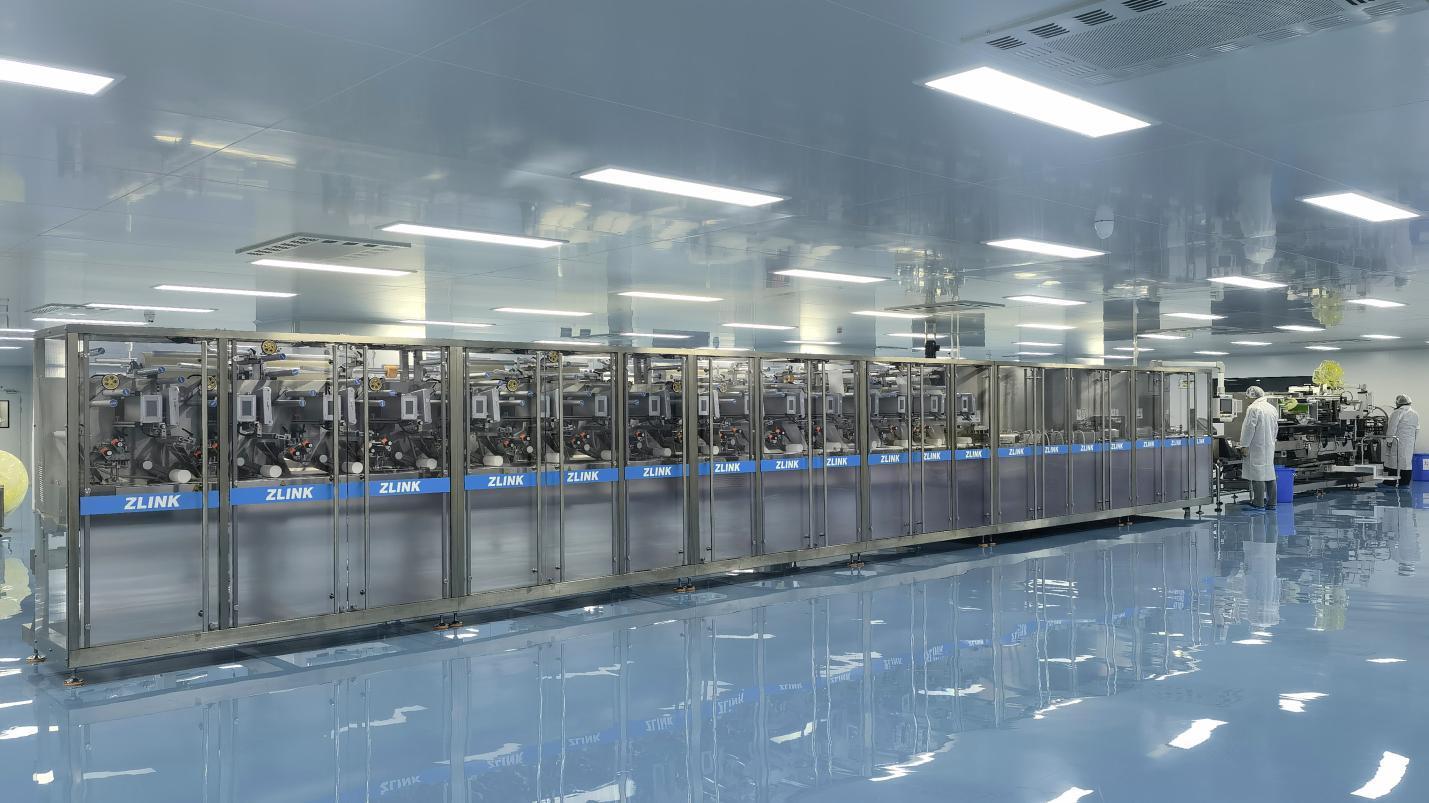
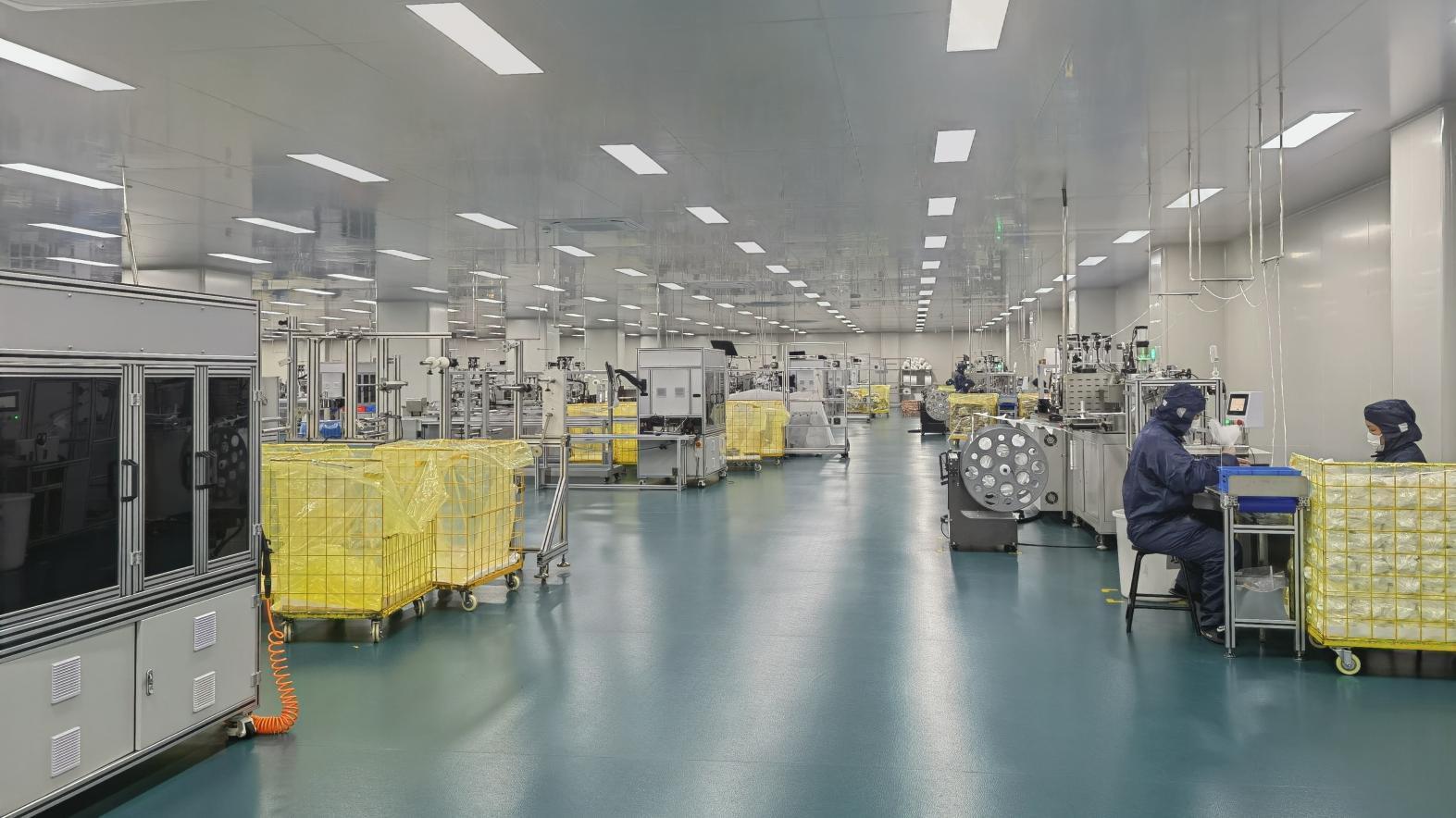
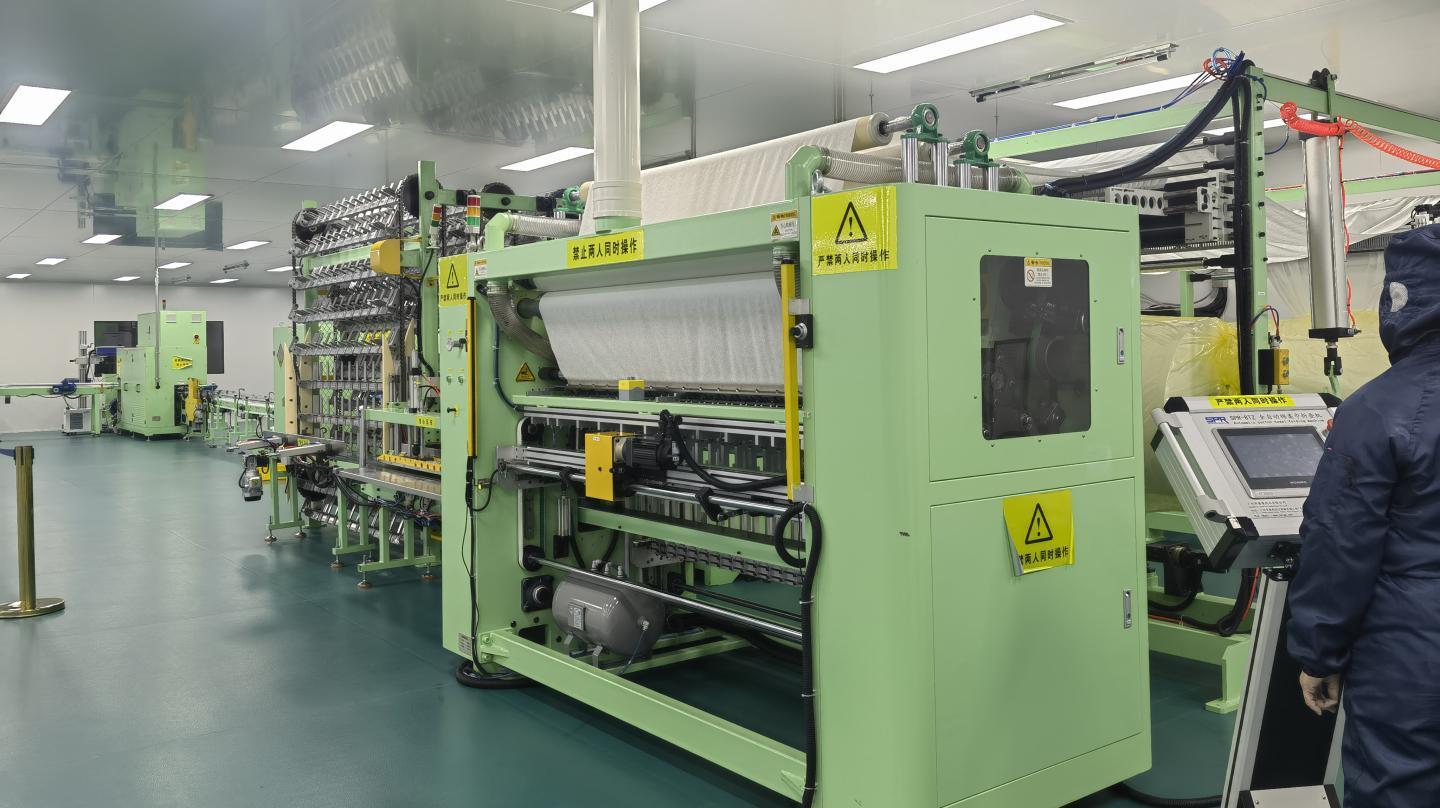
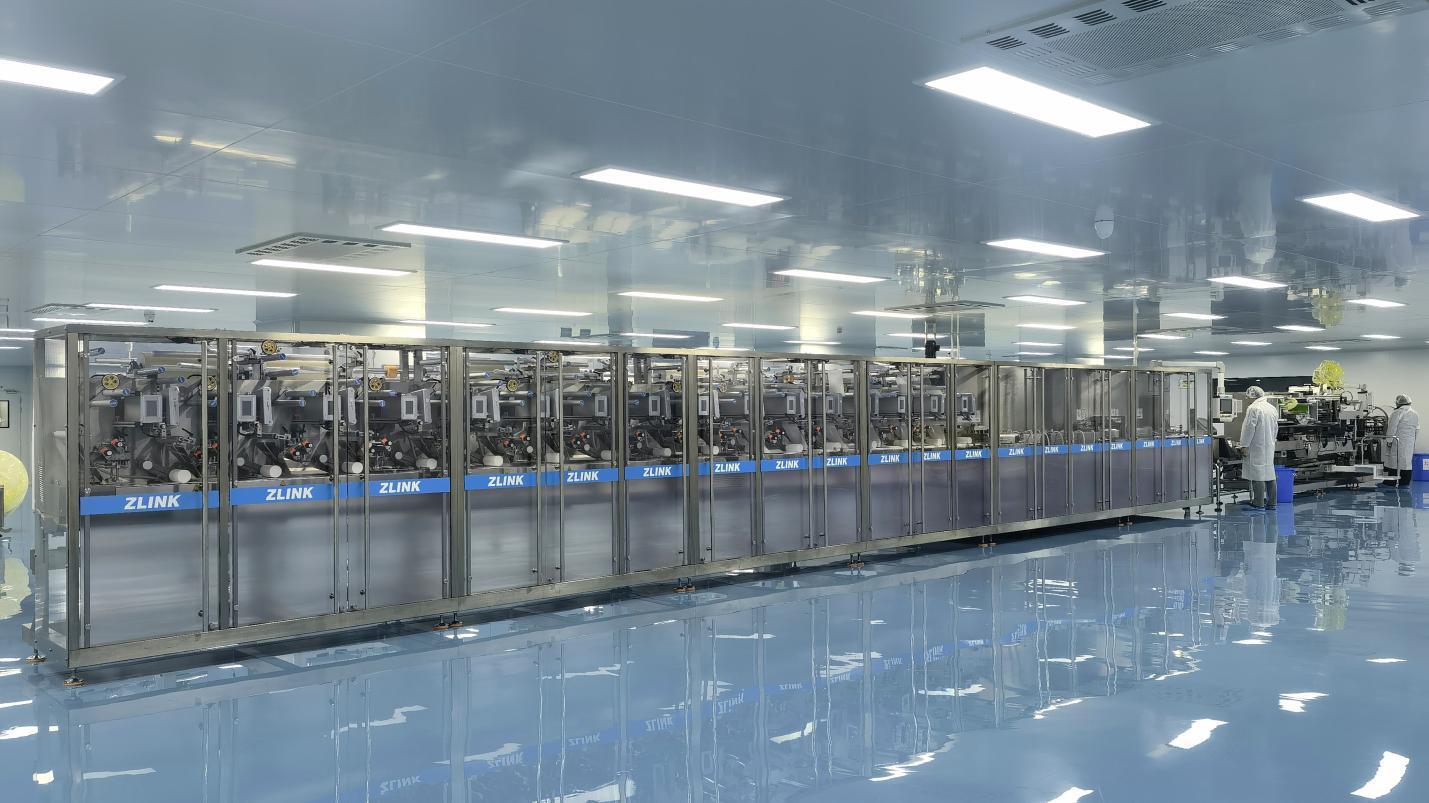
Consistent quality is the primary metric of dependability in high-volume B2B manufacturing. Our advanced manufacturing facility operates 5 fully automatic mask production machines and 12 semi-automatic mask production machines, supported by a specialized team of production engineers, quality assurance controllers, and cleanroom management personnel.
By automating material feeding, ultrasonic welding, earloop bonding, and structural sealing, we minimize the potential for human contamination and ensure strict adherence to dimensional tolerances. Every batch of non-woven fabric, meltblown filtering media, and nose bridge wire undergoes rigorous incoming inspection parameters to guarantee consistency in aerodynamic drag and filtration performance.
Selecting a mask for allergy mitigation requires understanding fiber dimensions and electrostatic interaction. Standard non-woven spunbond layers provide structural integrity, preventing large droplets and coarse dust from passing. However, effective protection against sub-micron particles (such as combustion byproducts, ash, and fragmented pollen grains) relies on the inner meltblown filter layer.
At DrSharpe, we select high-grade polypropylene polymer chips processed through specialized meltblowing machinery. This process produces randomly oriented micro-fibers with diameters of less than 2 to 5 micrometers. During production, we apply an electrostatic charging treatment to the web. This corona discharge process turns the meltblown layer into an electret material. This modification allows the mask to capture particles using both mechanical sieving and electrostatic attraction.
Our filtration media blocks up to 99% of bacterial aerosols and sub-micron particles, ensuring clean respiratory delivery.
Optimized fiber networks deliver high breathability, minimizing physical strain during prolonged working shifts.
Skin-contact layers are tested for biocompatibility, preventing skin irritation and contact dermatitis.
This design prevents the trade-offs of traditional dense filtering barriers, which often restrict airflow and cause user fatigue. DrSharpe masks balance high filtration with low breathing resistance, making them suitable for long shifts in industrial, medical, and commercial environments.
The global procurement of personal protective equipment (PPE) requires suppliers who can deliver scale, efficiency, and consistent material quality. The Chinese manufacturing ecosystem, particularly in industrial clusters like Zhejiang, offers distinct advantages for international businesses seeking reliable wholesale sources:
Compliance is a critical factor for international buyers importing protective equipment. To ensure smooth customs clearance and compliance with local health regulations, DrSharpe maintain a broad range of international certifications:
Our manufacturing processes comply with CE regulations for European markets and are registered under US FDA rules. During emergency authorizations, our products have met US EUA standards, confirming our ability to supply critical healthcare infrastructure. We maintain rigorous test records assessing bacterial filtration, particle filtration, differential pressure (breathability), and fluid resistance, ensuring our products comply with standard testing methodologies.
The protective equipment sector is evolving from basic physical barriers to smart, comfortable, and sustainable filtration systems. Key trends shaping the future of anti-allergy and protective masks include:
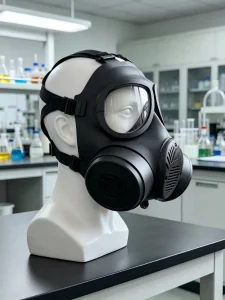
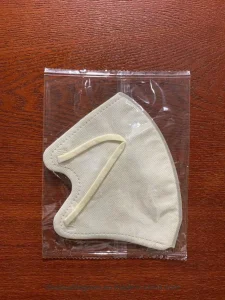
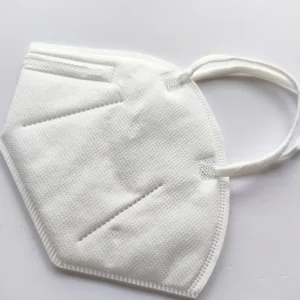
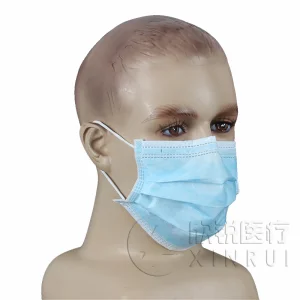
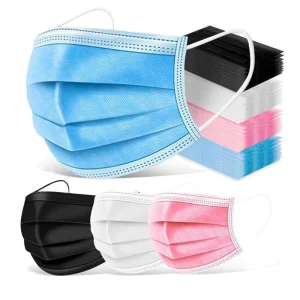
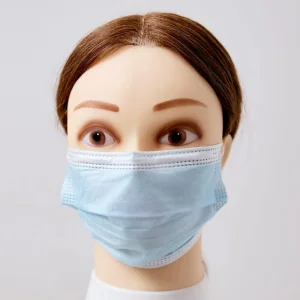
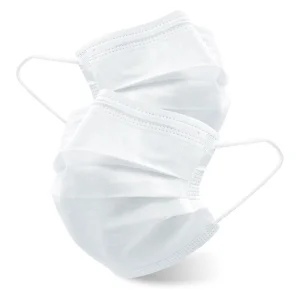
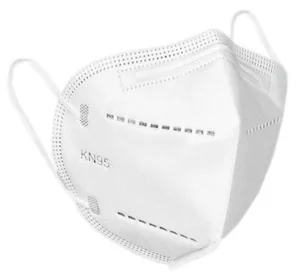
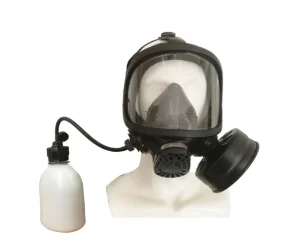
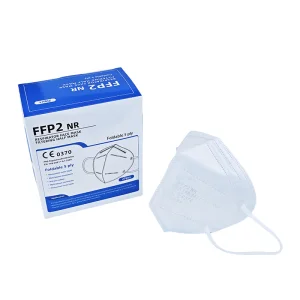
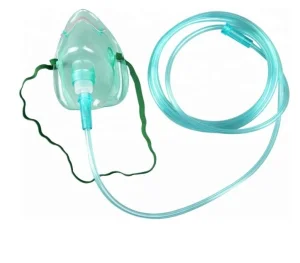
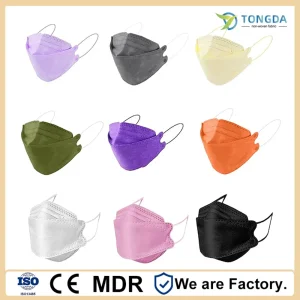
Explore our technical range of high-efficiency protective face covers designed for diverse applications.
Respiratory protection is required across many different settings. Different environments demand different mask configurations to handle specific particle risks:
Agricultural and Pollen Seasons: During peak pollination, agricultural operations and landscape management teams require comfortable face covers to maintain worker productivity and prevent allergic rhinitis.
Urban and Industrial Environments: In metropolitan areas affected by smog, combustion particulates, and road dust, daily commuters rely on masks to filter fine particulate matter.
Controlled Environments: Cleanrooms, microelectronics production facilities, and pharmaceutical packaging plants utilize specialized disposable masks. These environments require low-linting fabrics to prevent product contamination while protecting workers.
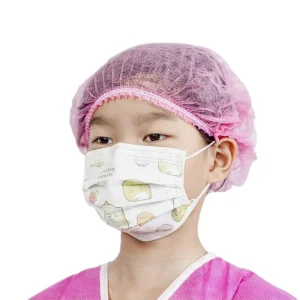
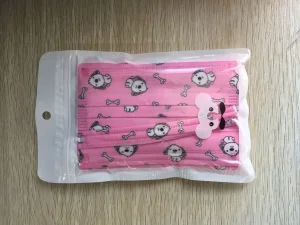
Pediatric and School Use: Children need appropriately sized masks that fit snugly without causing discomfort. Standard adult masks often leak around the edges, reducing their protection. DrSharpe offers custom sizes for younger users to ensure a proper fit.
When choosing an exporter for high-filtration masks, B2B purchasing managers should evaluate several operational parameters: