DrSharpe Health
DrSharpe Health
DrSharpe Health
Explore our advanced personal protection, industrial-grade respirators, and surgical masks engineered for global markets.
In the modern industrial and commercial paradigm, respiratory protection has evolved from a basic occupational hazard mitigation tool into a core pillar of corporate environmental health and safety (EHS) systems. Globally, regions such as North America, the European Union, and rapidly industrializing zones in Asia-Pacific are enforcing stricter regulations governing airborne particulate matter, chemical vapors, and biological aerosols.
The global air filter mask market is characterized by dual-demand streams: Industrial Occupational Safety (which mandates compliance with standards such as NIOSH N95, EN149 FFP2/FFP3) and Clinical/Healthcare Protections (requiring rigorous fluid resistance and bacterial filtration efficiency compliance). As regulatory watchdogs like OSHA and the European Chemicals Agency (ECHA) tighten enforcement, global enterprises seek high-volume, reliable OEM manufacturers that guarantee supply chain continuity without compromising on material standards.
China remains the epicenter of the global non-woven fabric and protective equipment supply chain. This is not simply a matter of scale, but of deep structural efficiency. The cluster-based production model in industrial hubs like Zhejiang enables instantaneous access to high-grade polypropylene resins, melt-blown polymers, elastic non-woven ear loops, and advanced metal nose-clip elements.
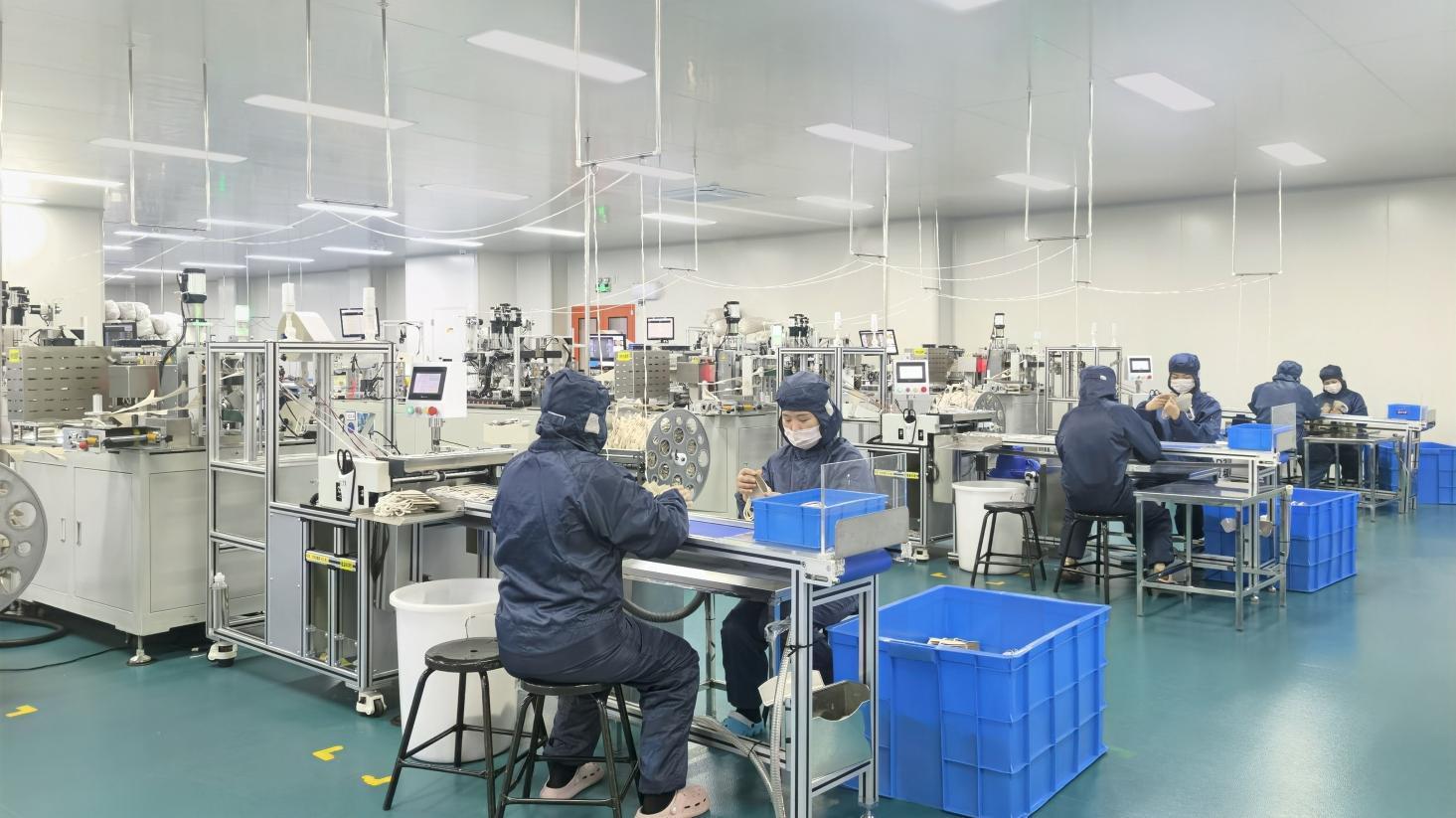
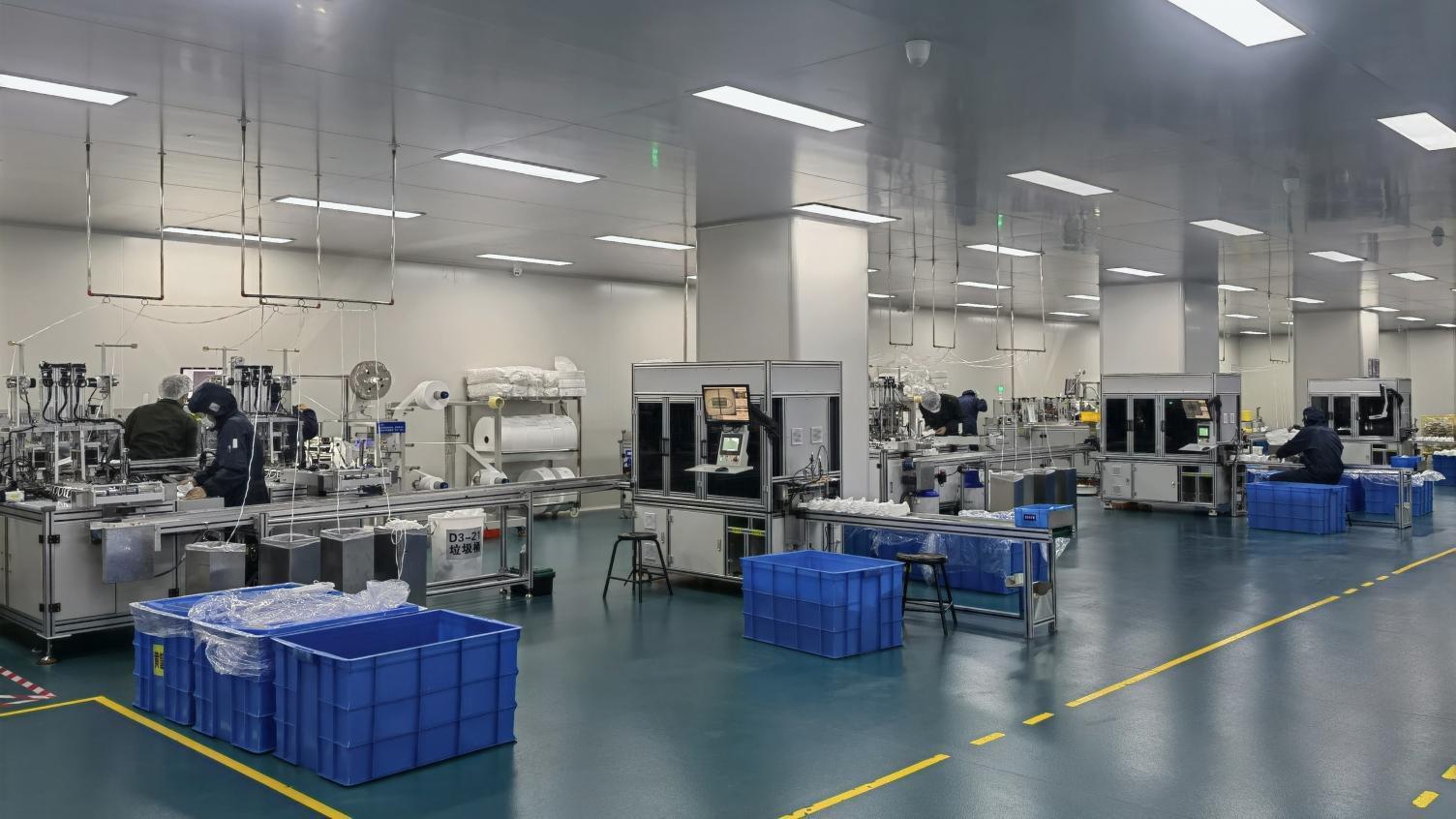
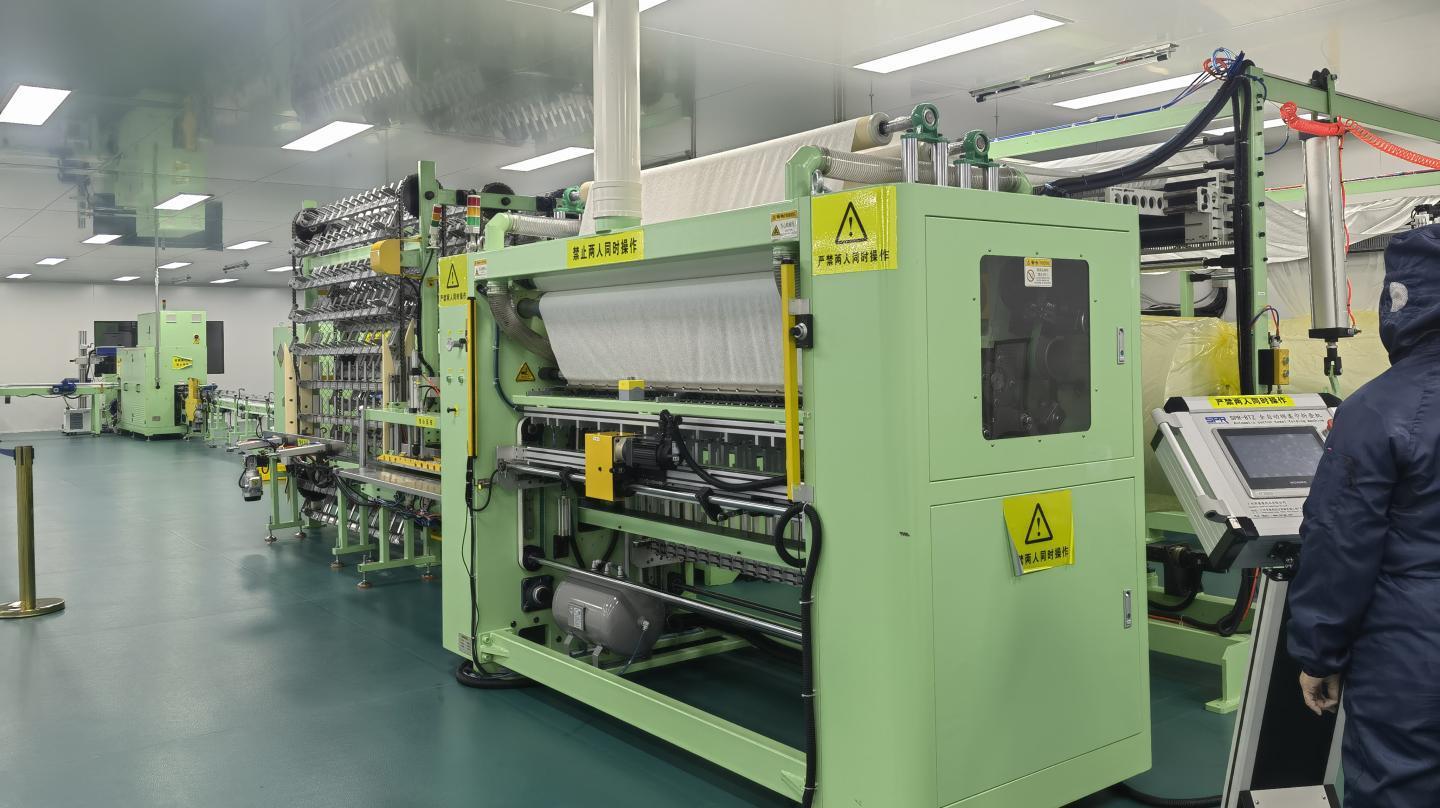
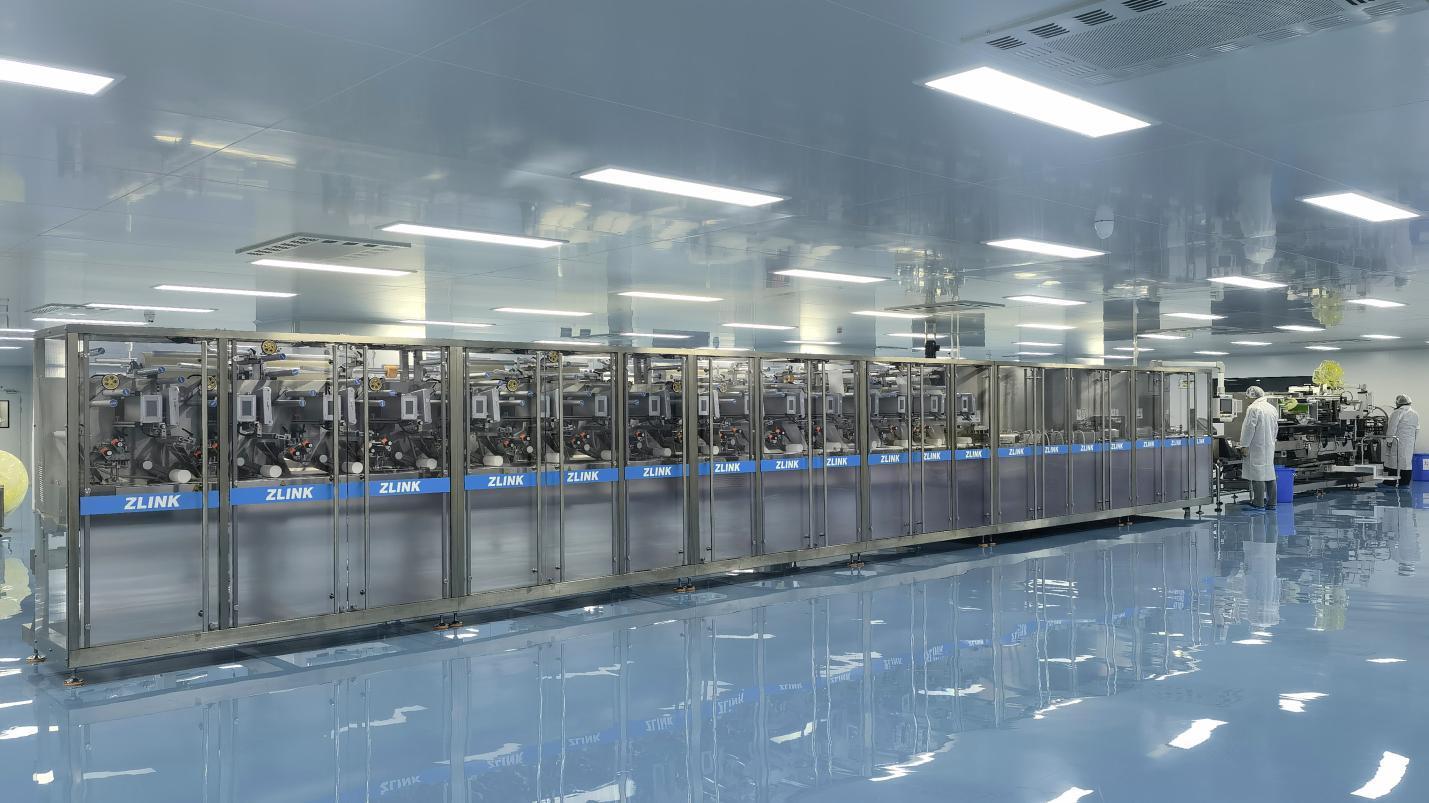
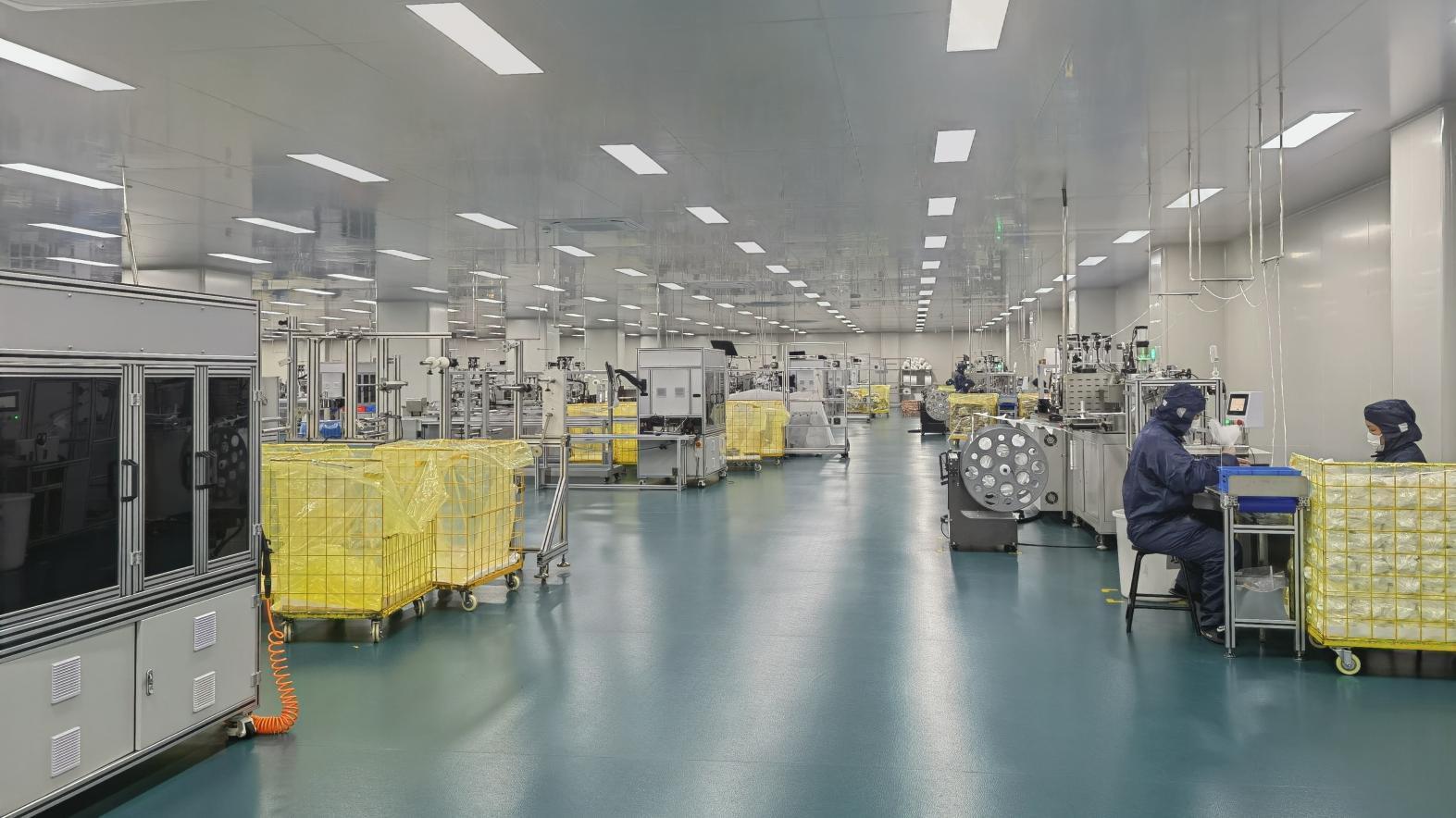
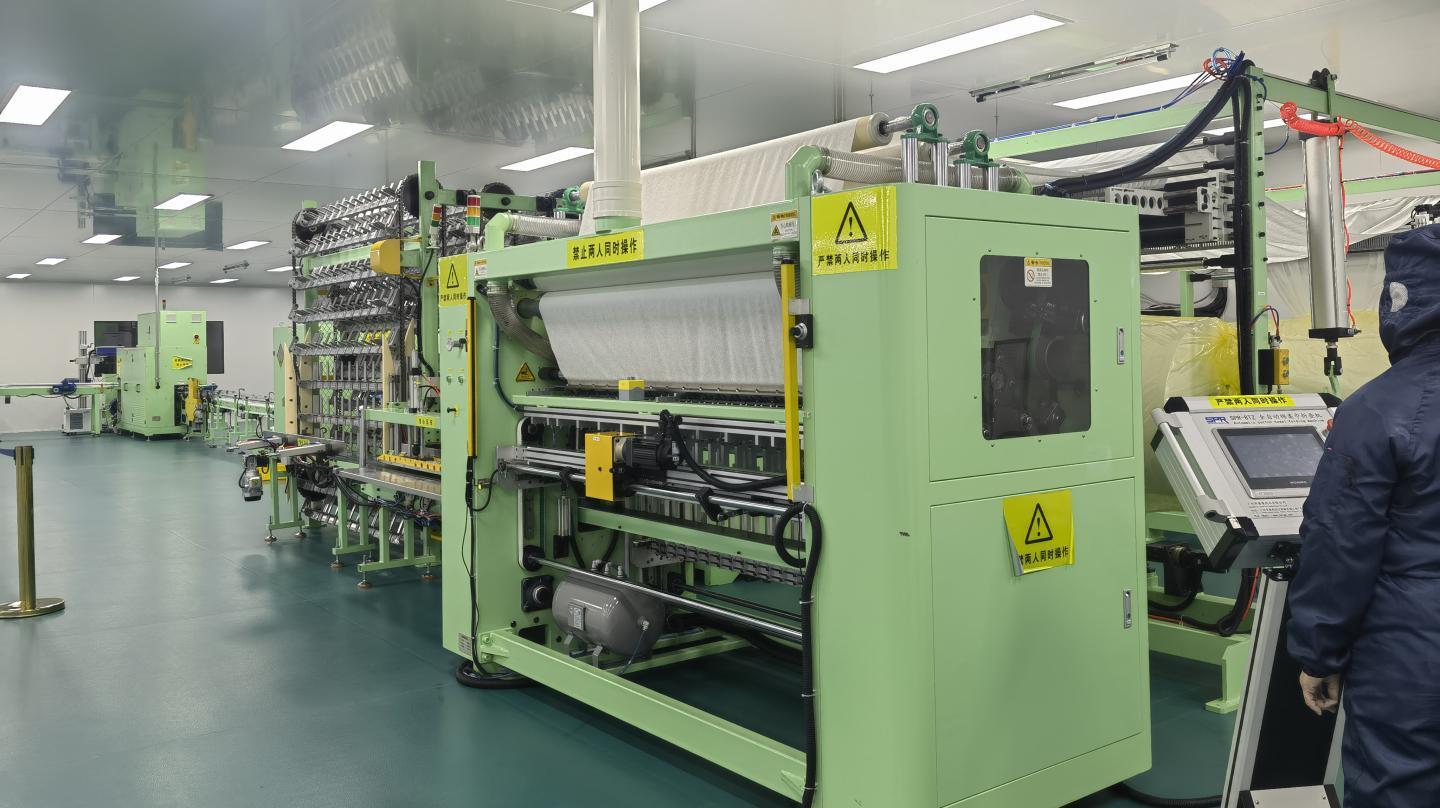
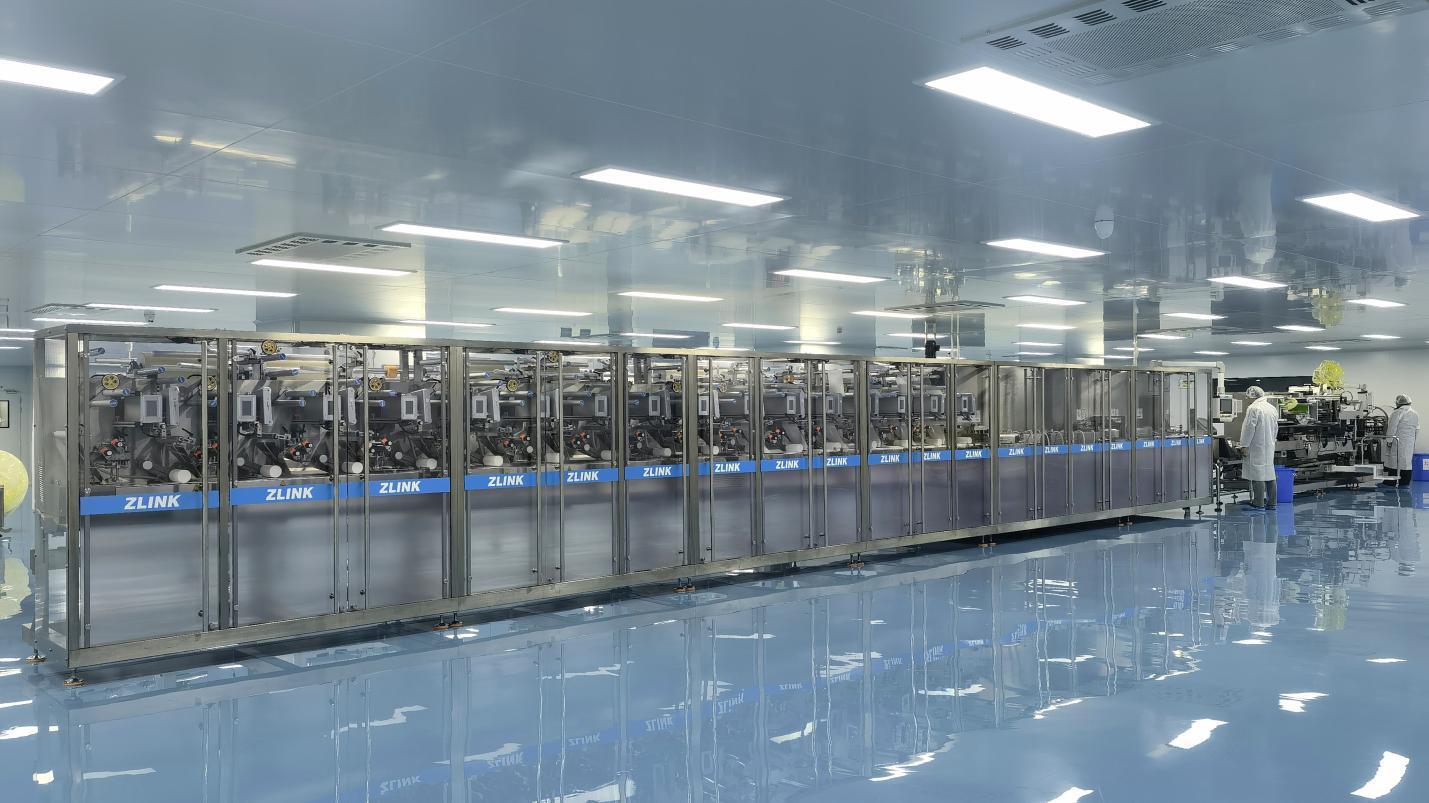
At Zhejiang DrSharpe Health Co., Ltd., we utilize this supply chain integration to optimize every stage of production. By maintaining 5 fully automated mask production machines alongside 12 semi-automatic systems, we can balance massive bulk outputs with highly agile custom run requirements. Automation minimizes human error, optimizes cutting geometry, reduces scrap rates, and ensures that critical parameters like ultrasonic welding strength are kept perfectly uniform.
Furthermore, local integration of testing labs allows us to run real-time checks on inhalation resistance, exhalation resistance, and filtration loading. Consequently, our clients experience reduced lead times, high compliance integrity, and an optimal price-to-performance ratio that cannot be replicated in regions lacking localized material ecosystems.
Air filtration masks are not one-size-fits-all. Different industries require distinct configurations, filter substrates, and comfort parameters.
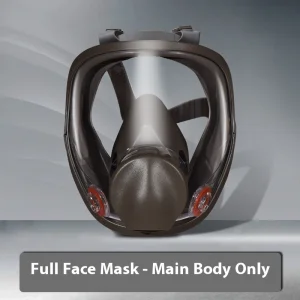
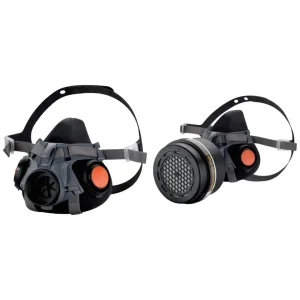
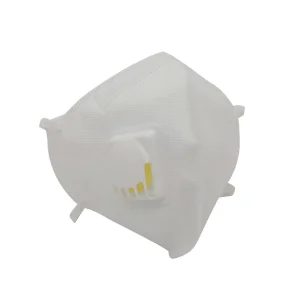
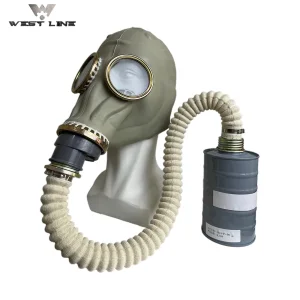
Requires rugged silicone half-face or full-face respirators equipped with replaceable particulate cartridges. Engineered to withstand coal dust, silica, and toxic chemical gases while maintaining airtight seals over long shifts.
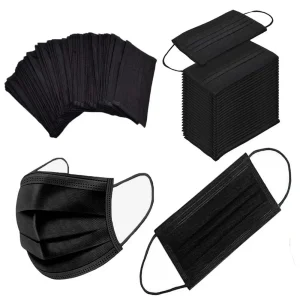
Demands high fluid resistance and particulate efficiency (ASTM F2100 Level 1/2/3 or EN14683 Type IIR). Focuses on cross-contamination prevention, hypoallergenic inner layers, and high breathability for medical practitioners.
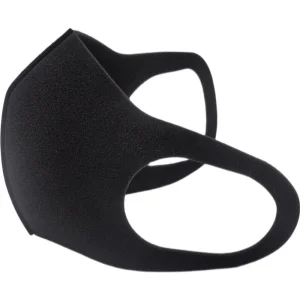
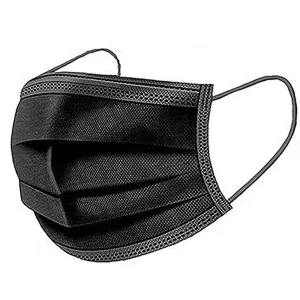
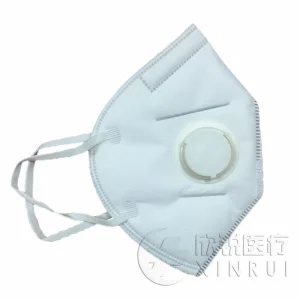
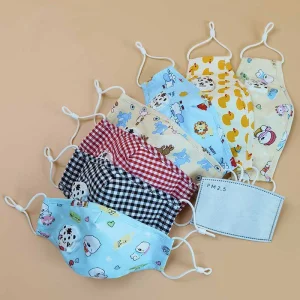
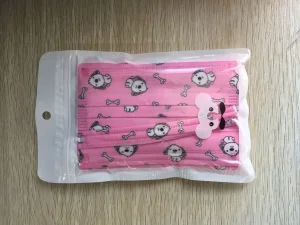
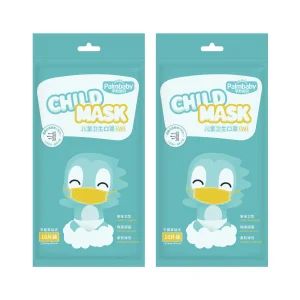
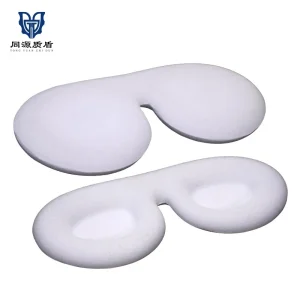
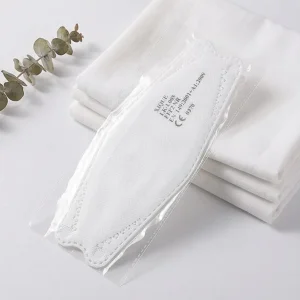
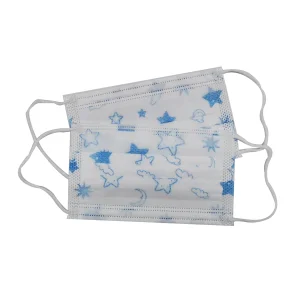
Balances daily ergonomics with solid filtration. Solutions such as lightweight foam masks, child-friendly 3-ply masks, and FFP2 fish-shape designs address urban haze, allergens, and airborne droplets without compromising aesthetic appeal.
The respiratory protection industry is undergoing a structural shift driven by material science and smart technologies. The integration of nanofiber filtration membranes represents the next frontier. Unlike conventional melt-blown media that rely heavily on electrostatic charges—which can dissipate over time or degrade in humid environments—nanofibers block sub-micron particulates via mechanical sieving. This results in stable, long-lasting protective properties.
In tandem, there is a surge in demand for biodegradable and circular materials. Polypropylene-based disposable masks pose environmental concerns. Forward-looking research is actively targeting polylactic acid (PLA) polymers and natural starch-based binders to create fully compostable disposable masks that maintain >95% BFE/PFE.
At the enterprise level, tracking supply chain carbon intensity is becoming standard practice. Factories that leverage waste heat recovery, automated material utilization software, and solar-supported facilities will gain a strong competitive advantage in Western industrial procurement tenders.
Replacing fossil-fuel non-wovens with certified bio-degradable fibers like PLA to meet zero-waste targets.
Advanced structural design reducing physical inhalation resistance by up to 35% compared to legacy designs.
Integrating passive sensory chips to notify workers of gas-filter saturation in high-risk zones.
For global procurement heads, choosing a supplier requires deep verification across regulatory compliance, consistency of physical properties, and financial reliability. When importing high-volume PPE or industrial masks, businesses must establish clear verification steps:
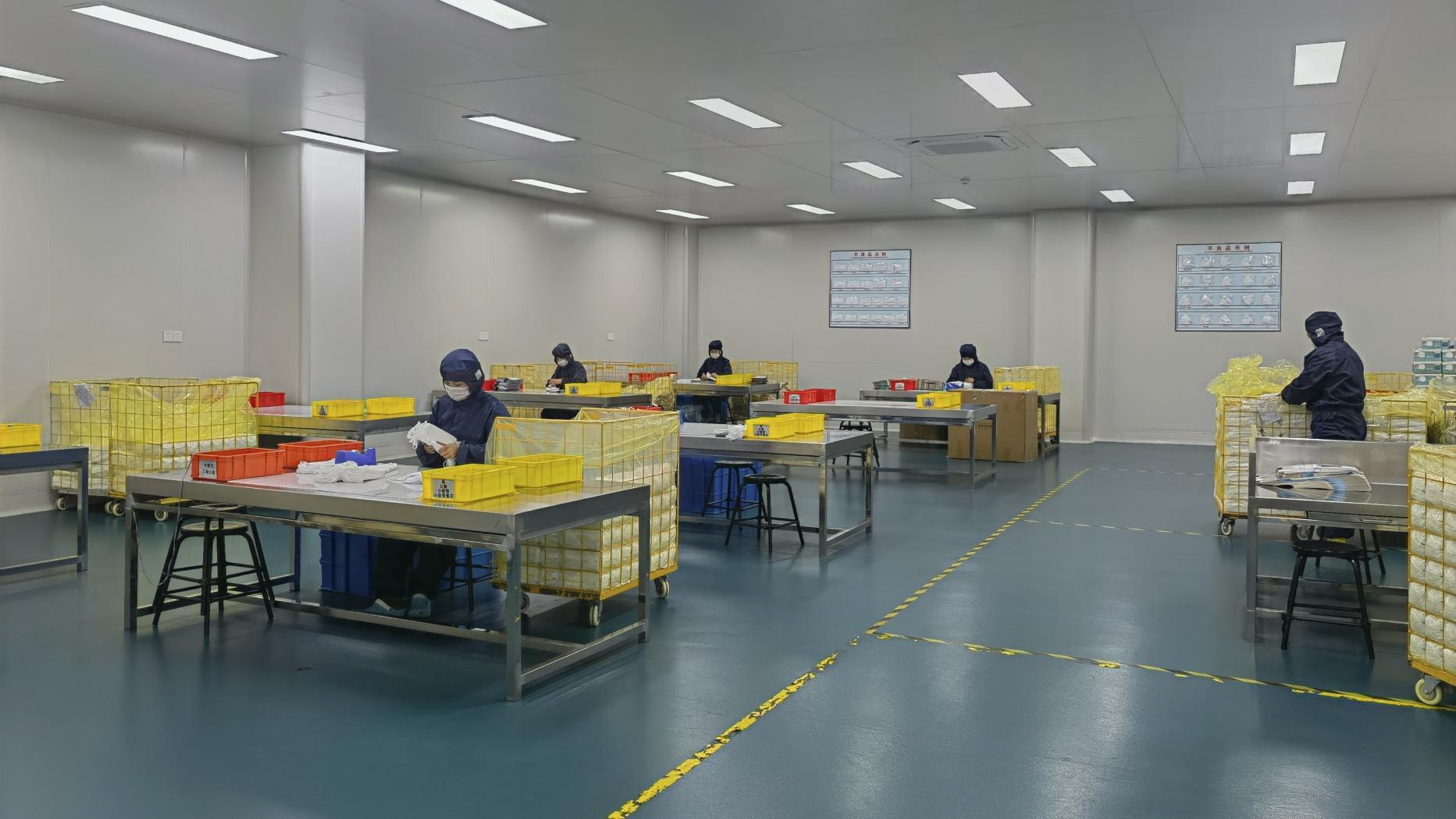
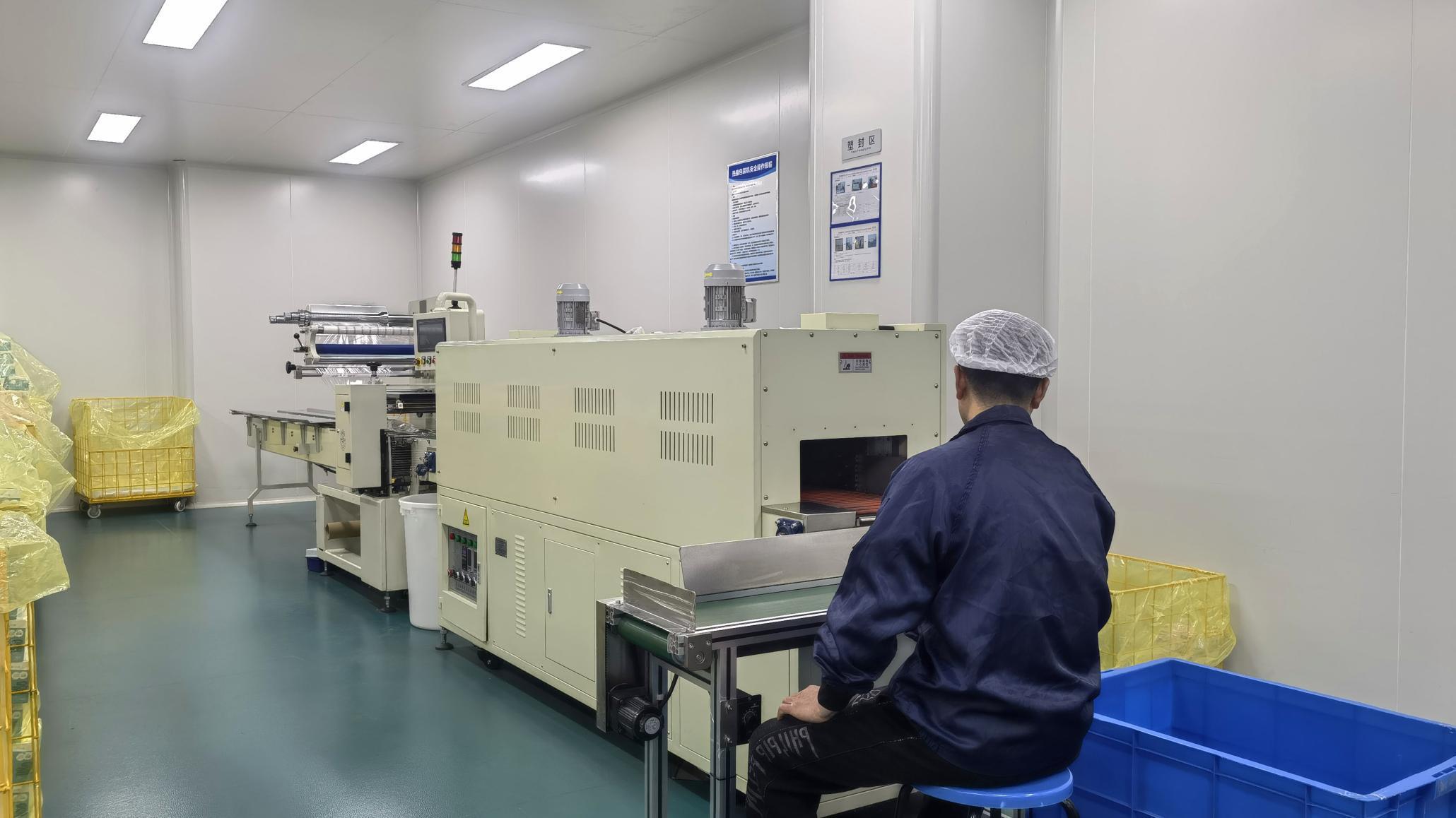
A transparent look inside the manufacturing facilities of Zhejiang DrSharpe Health Co., Ltd. showing our production, quality assurance, and packaging processes.
Explore our child safety masks, heavy chemical respirators, and specialty high-breathability sponge options.
Expert answers regarding material science, compliance, production capacities, and custom OEM processes.
BFE (Bacterial Filtration Efficiency) measures the filtration efficiency of a mask against biological aerosols, typically using Staphylococcus aureus bacteria (mean particle size of roughly 3.0 microns). BFE is a primary specification for medical and surgical masks under EN 14683 and ASTM F2100.
PFE (Particle Filtration Efficiency) measures filtration against non-viable sub-micron latex spheres, typically sized at 0.1 microns. PFE is critical for evaluating performance against dust, fine soot, and viral particulates. DrSharpe masks achieve up to 99% efficiency for both metrics.
Yes, our masks meet key international compliance standards. We have obtained certifications for CE, US FDA, and US EUA.
We provide formal test documentation, declaration documents, and production auditing reports to procurement teams during onboarding. This guarantees smooth customs clearance at major destinations across North America and Europe.
Our standard MOQ for custom OEM branding (including customized packaging boxes, carton printing, and custom face mask embossing/logos) varies by product line.
Typically, for disposable 3-ply masks, the MOQ is 100,000 units. For specialized respirators (such as silicone masks, N95, or FFP2 variants), MOQs start between 10,000 and 50,000 units depending on the level of tool customization required.
The melt-blown non-woven layer is the core filtration component of any high-performance mask. We enforce strict quality control measures at every stage:
The typical shelf life of our disposable masks is 3 years from the date of manufacture.
To maintain maximum filtration efficiency, store masks in their original packaging in a cool, dry place. Keep them away from direct sunlight, high humidity, and chemical vapors, as moisture and contaminants can degrade the electrostatic charge of the melt-blown layer.