DrSharpe Health
DrSharpe Health
DrSharpe Health
Engineered for maximal breathability and certified protection, serving top industrial and medical organizations globally.
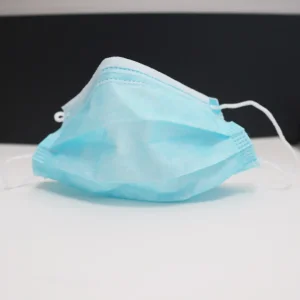
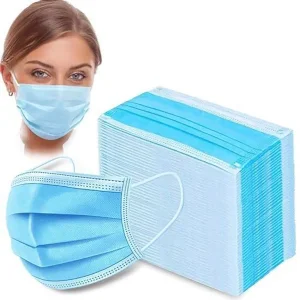
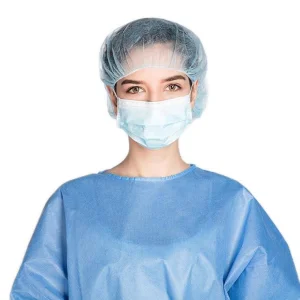
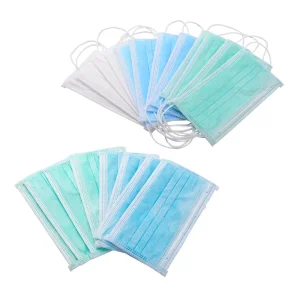
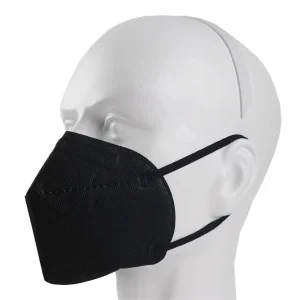
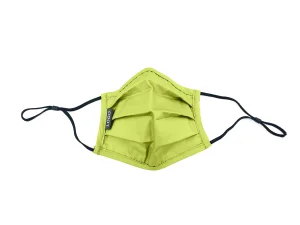
In the post-pandemic corporate ecosystem, standard protective gear has evolved from a crisis response measure into a daily occupational health priority. Multi-layered daily protective masks, or "Mascarilla Diaria Transpirable," must satisfy two conflicting demands: maintaining high-efficiency barrier filtration and providing low-resistance airflow to ensure compliance over extended shifts.
Supply chain executives and health administrators across the Americas, Europe, and the Asia-Pacific region face stringent hurdles. Sourcing masks that balance standard EN 14683 Type IIR or ASTM F2100 levels with user-friendly breathability is key to optimizing employee compliance and operational productivity.
Our global industrial client base indicates that corporate sustainability metrics require factories to deploy greener processes and hypoallergenic non-woven skin contact layers. This whitepaper analyzes manufacturing innovations, compliance paths, and supplier metrics that define the world's top manufacturers.
Understanding the material science behind the modern Daily Protective Mask (Mascarilla Diaria Transpirable).
By optimizing the caliber of fibers in meltblown layers and using high-density electrostatic charging, we create paths that trap microscopic particulates down to 0.3 microns without restricting airflow.
Standard medical grade masks often cause breathing discomfort. Our advanced breathable daily masks reduce Delta P to under 29.4 Pa/cm², vastly improving long-term comfort while maintaining structural safety.
Using thermally bonded hydrophilic non-wovens eliminates fiber fraying, preventing the facial irritation, dermatitis, and itching common with standard synthetic mask materials.
Zhejiang DrSharpe Health Co., Ltd. is a leading professional manufacturer and global supplier specializing in premium disposable medical and healthcare solutions, featuring a high-capacity focus on protective face masks.
Backed by strong engineering capability, advanced production equipment, and strict quality verification checkpoints, DrSharpe is committed to designing, producing, and distributing safe, reliable, and comfortable healthcare products for global partners.
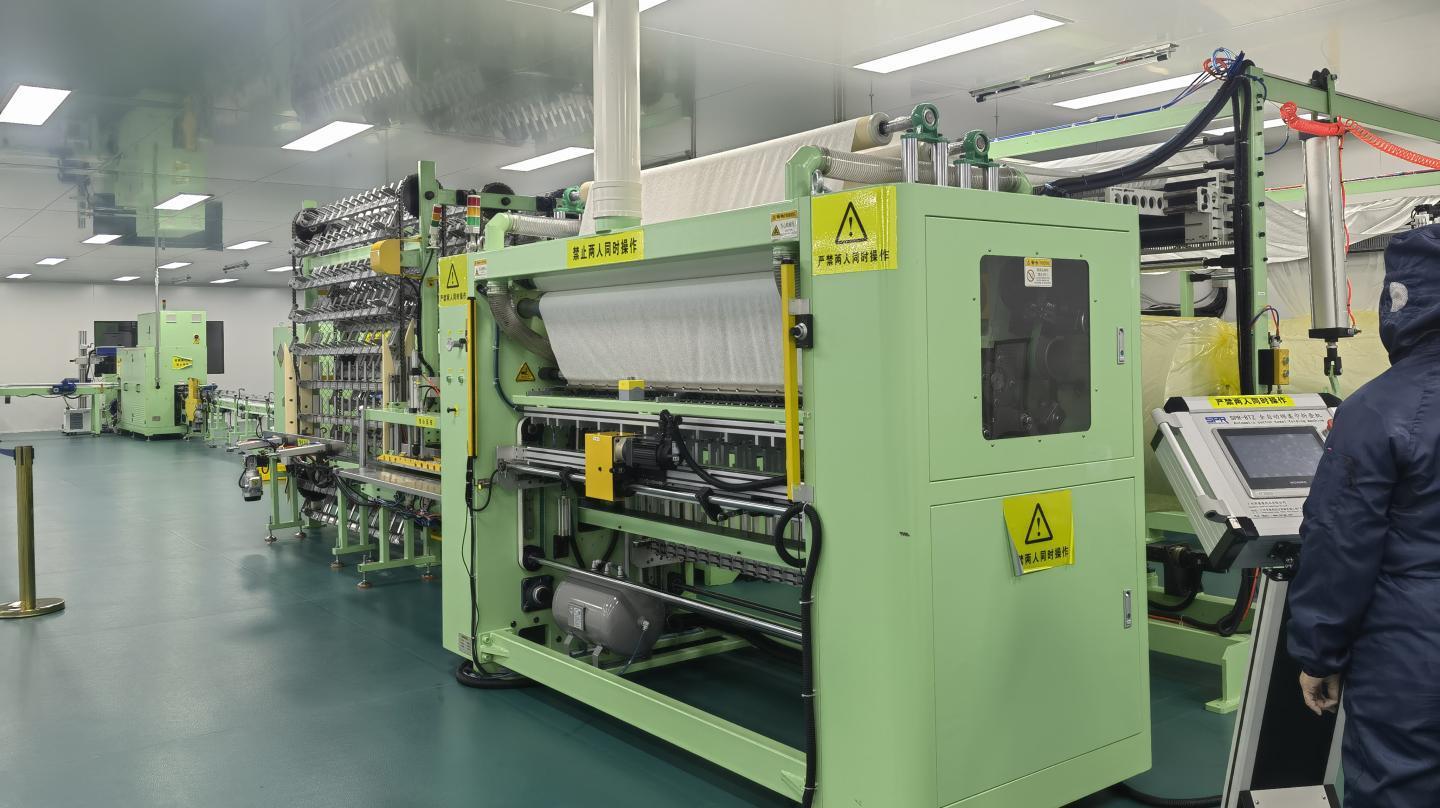
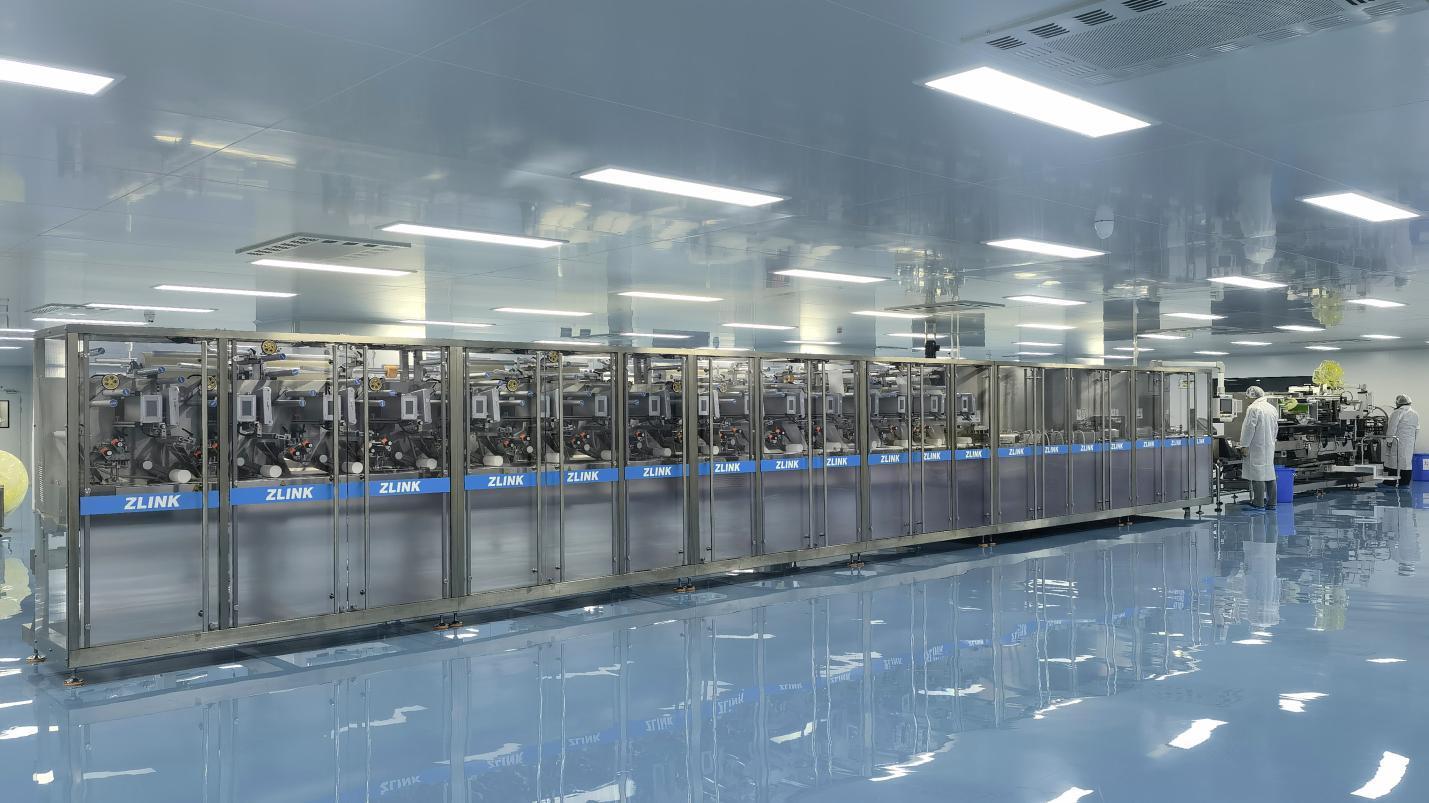
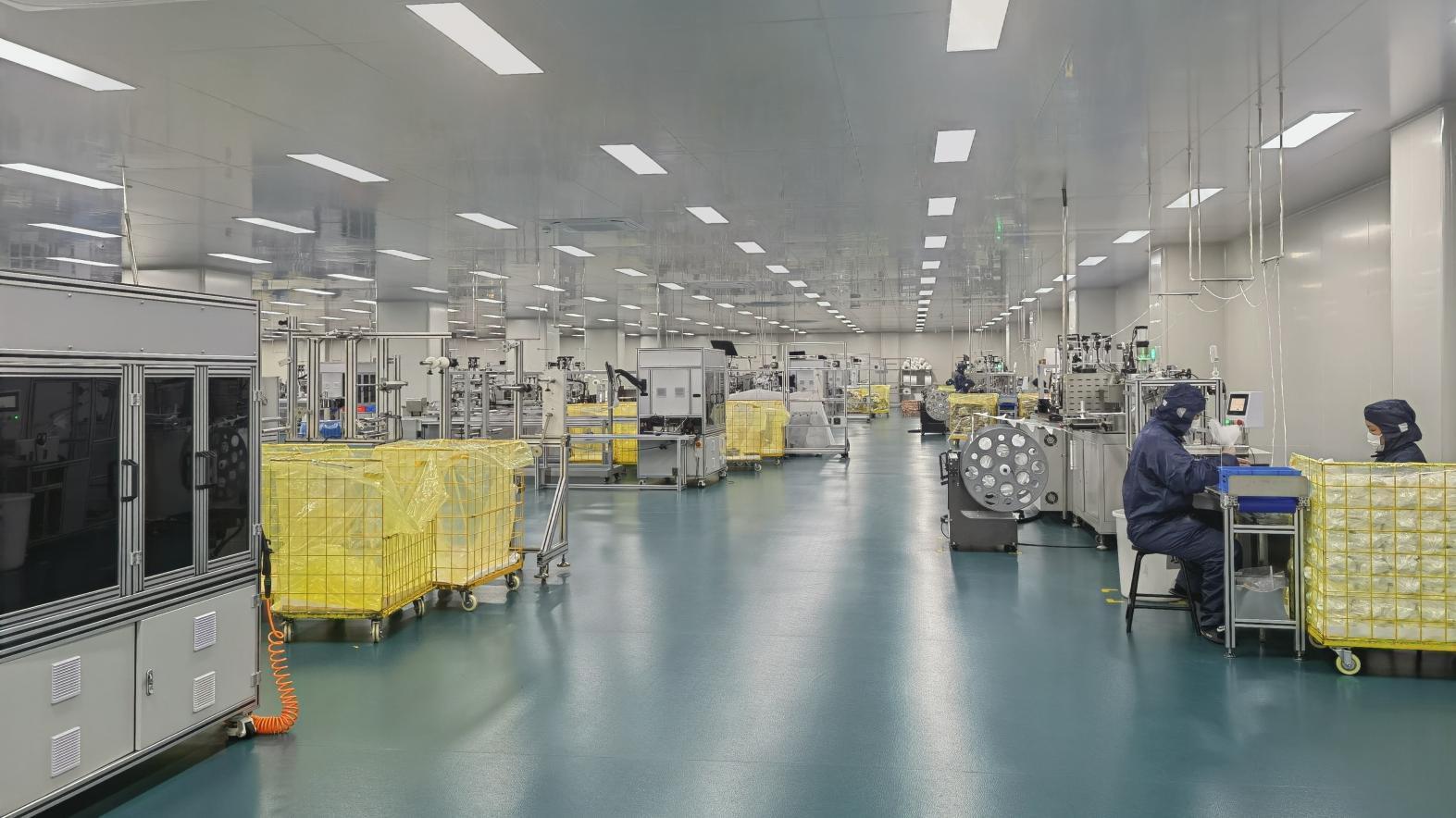
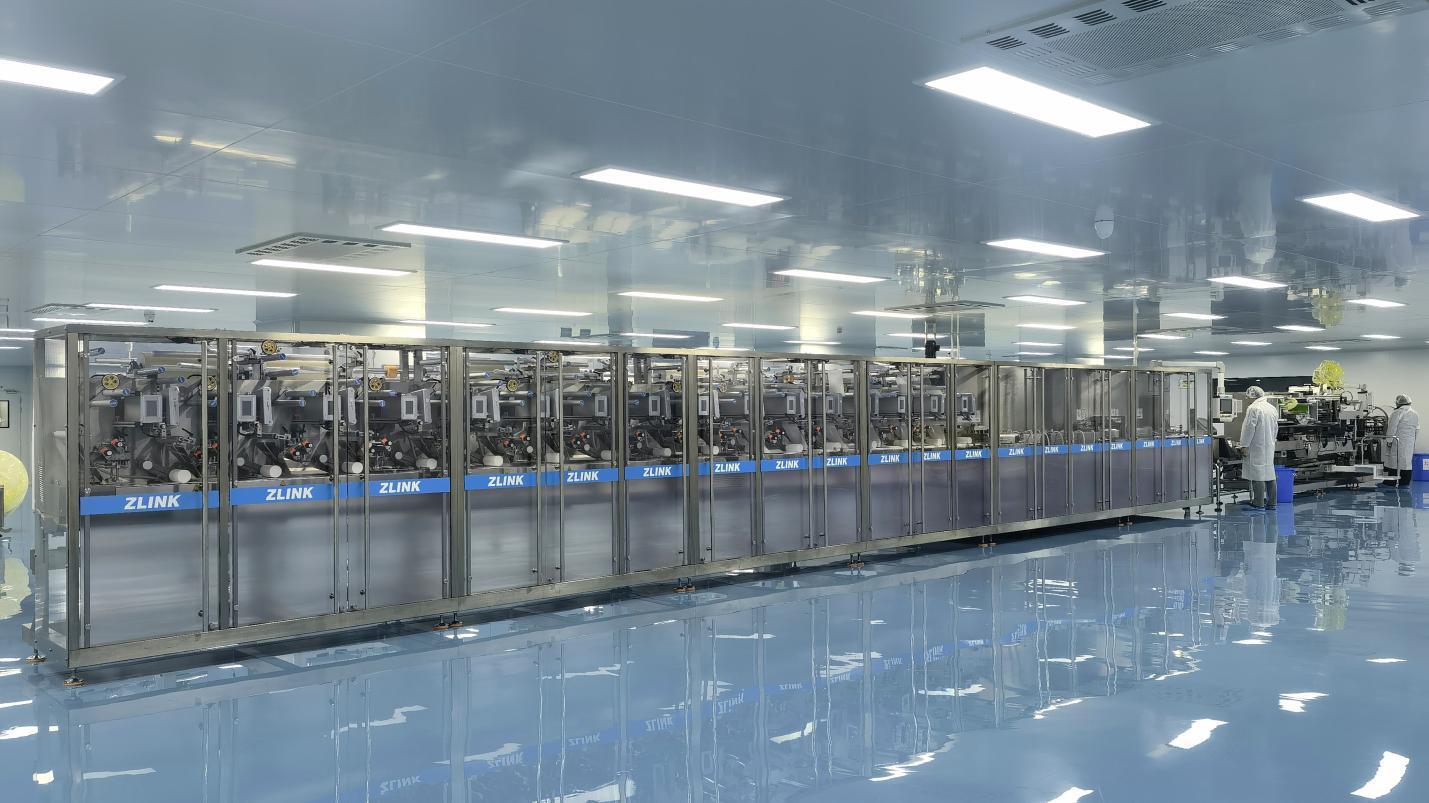
Our advanced facilities house 5 fully automatic mask production lines and 12 semi-automatic production systems, guided by a specialized manufacturing and compliance team. From precise raw material validation to micro-particle filtration inspection, every stage is fully recorded to ensure quality compliance and dependable supply.
Real production lines showing clean-room compliance, automated assembly, and standardized quality assurance.
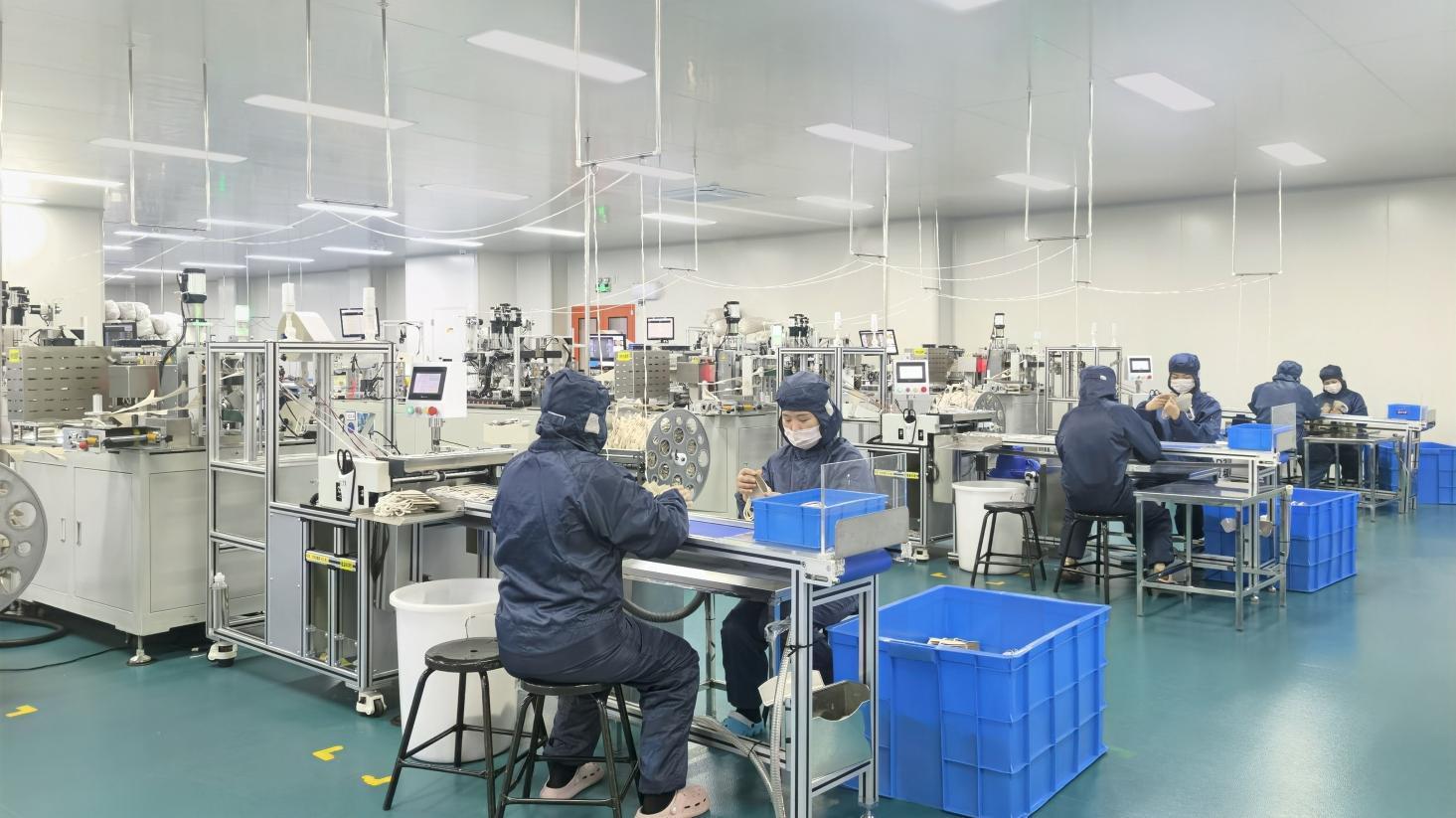
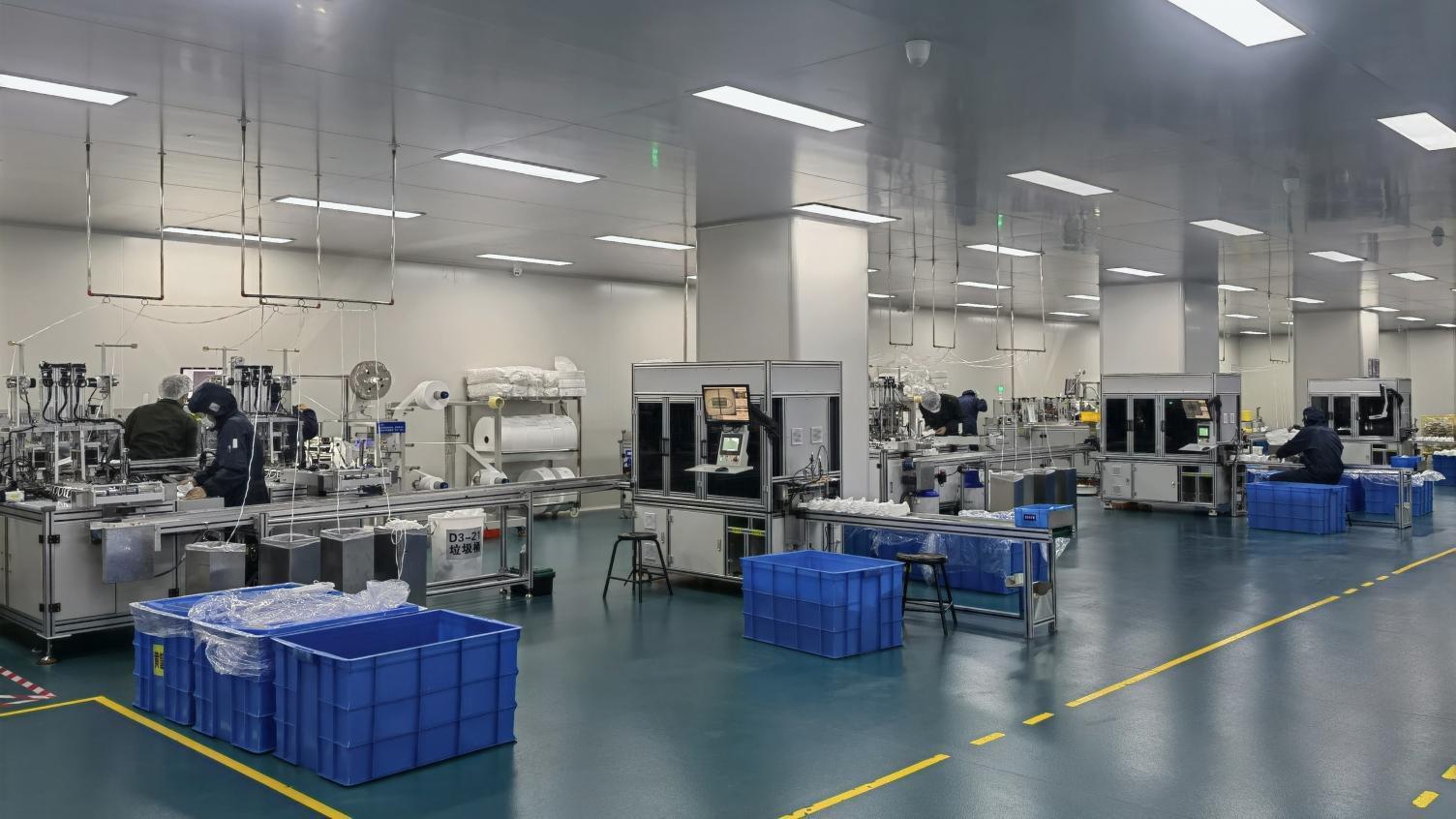
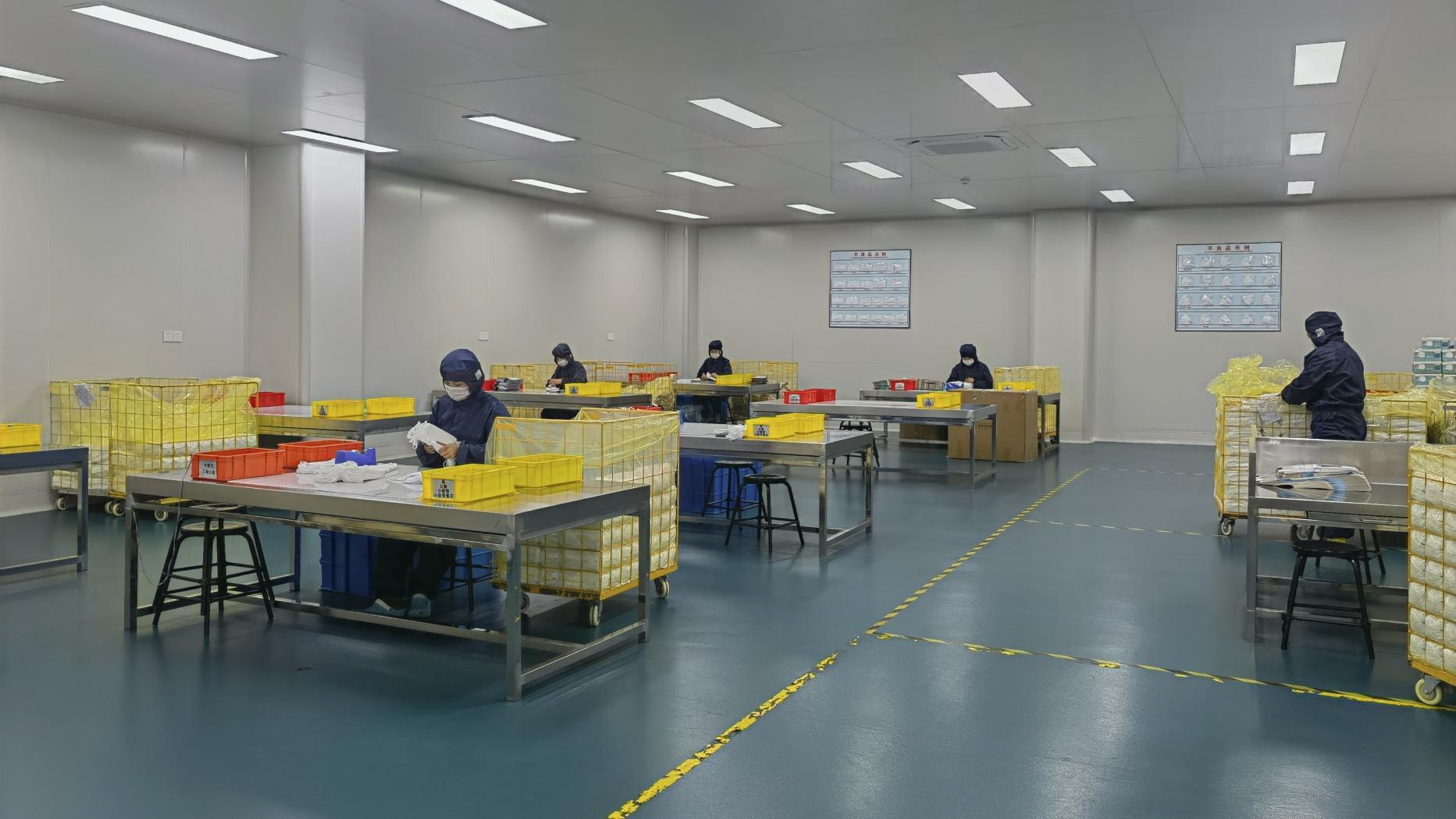
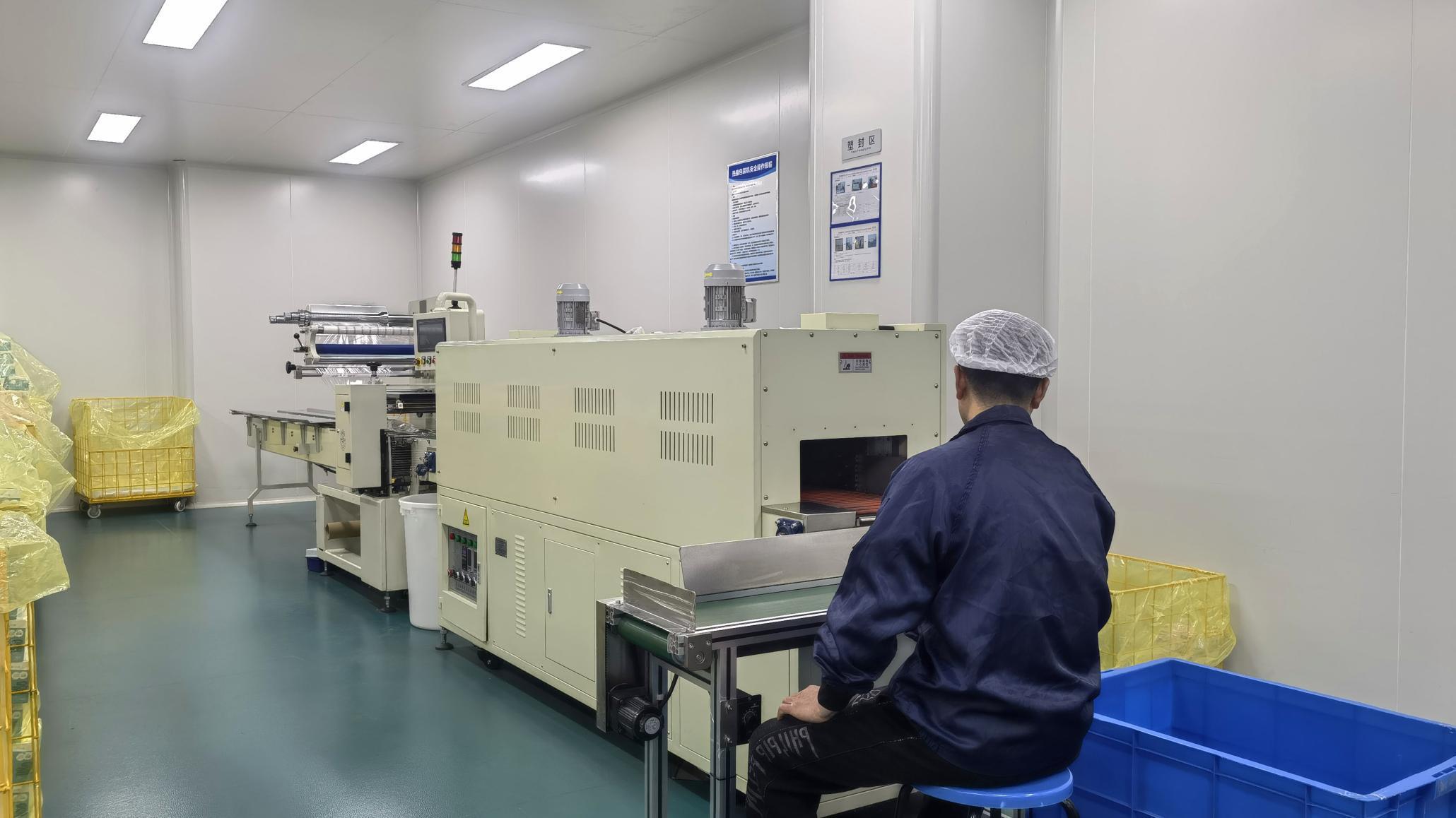
Clear compliance mapping across the European Union, the United States, and other major importing regions.
| Standard Type | Applicable Region | Filtration Threshold | Breathability Index (Delta P) | Fluid Resistance / Spray |
|---|---|---|---|---|
| EN 14683 Type II | European Union | BFE ≥ 98% | < 29.4 Pa/cm² | Not Required |
| EN 14683 Type IIR | European Union | BFE ≥ 98% | < 49.0 Pa/cm² | ≥ 16.0 kPa |
| ASTM F2100 Level 1 | United States / Americas | BFE & PFE ≥ 95% | < 4.0 mm H₂O/cm² | 80 mmHg |
| ASTM F2100 Level 3 | United States / Americas | BFE & PFE ≥ 99% | < 5.0 mm H₂O/cm² | 160 mmHg |
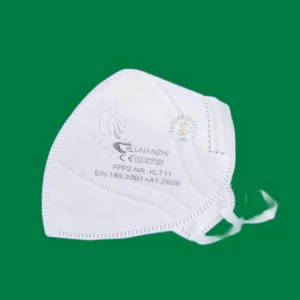
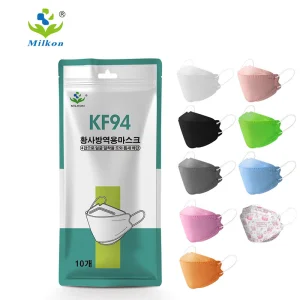
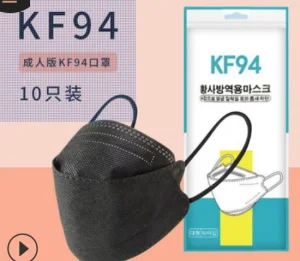
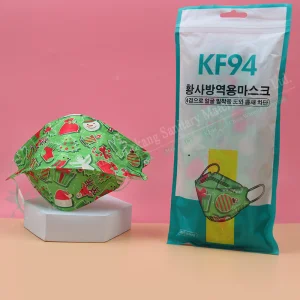
| KF94 (KFDA) | South Korea | PFE ≥ 94% | Optimized for high-airflow fish-type profile | Splash tested |
When selecting the right manufacturer for bulk personal protective equipment, strategic buyers must look beyond pricing to assess operational indicators that guarantee long-term stability and product quality.
1. Fiber Density and Meltblown Uniformity: The filtration layer relies on advanced electrostatic charge consistency. Sourcing from a factory with automated, real-time diagnostic scanning ensures there are no inconsistent thin spots across production runs.
2. Automated Quality Inspection: High-efficiency visual tracking systems monitor loop-to-mask bonding and earloop tensile strength, cutting down manual sorting errors and preventing batch defects.
3. Clean-Room Classifications: To prevent environmental contamination, processing should occur in Class 100,000 cleanrooms. This step keeps final products free of microbes and airborne particulates prior to sterilization.
To meet global requirements, we maintain backup meltblown suppliers and keep ready reserves of non-woven fabric. This structured logistics network allows us to ensure stable lead times even during high seasonal demand.
How industry leaders stand out across production capacity, regulatory compliance, and technology parameters.
Top suppliers use AI-driven cameras on assembly lines to detect loop positioning errors and fabric misalignments, minimizing human error.
Leading factories possess CE, FDA, and ISO 13485 certifications, alongside detailed material tracking documentation for every batch shipped.
The ability to adapt mask designs, customize elastic earloops, and offer tailored packaging is a core strength of top manufacturing partners.
Direct answers from our compliance and technical teams to help you navigate international procurement.
High breathability is achieved by using thin fibers in the meltblown filtration layer and applying a high electro-static charge. This traps small particles through static attraction instead of physical blockage, keeping resistance (Delta P) low.
For the US market, look for FDA registration, 510(k) clearances (for surgical masks), and ASTM F2100 compliance tests. For the EU, ensure the supplier provides a Declaration of Conformity to EN 14683, valid CE markings, and ISO 13485 quality system certificates.
For standard customized runs (e.g., specific print patterns, earloops, or custom box packaging), lead times range between 15 and 25 days depending on batch size. Factories with automated setups like DrSharpe can process standard runs within 10 to 14 working days.
Top-tier suppliers inspect raw materials upon receipt. This includes testing non-woven rolls for weight uniformity, thickness, and tensile strength, alongside checking the filtration efficiency of meltblown rolls before they go to the assembly lines.
Skin irritation typically happens when low-grade fibers in the inner lining fray and rub against the skin, or from chemical residues left during manufacturing. Using high-quality, thermally-bonded hydrophilic non-wovens keeps the surface smooth and minimizes irritation.
Heavy-duty, particulate, and clinical-grade solutions for hospitals, labs, and industrial use.