DrSharpe Health
DrSharpe Health
DrSharpe Health
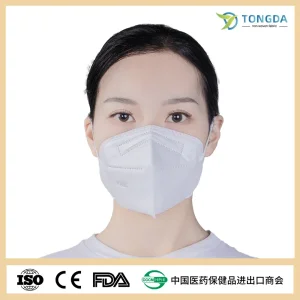
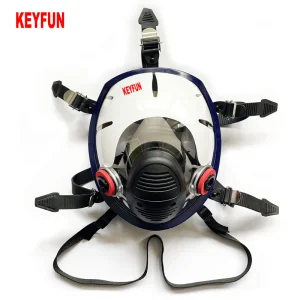
Discover our primary lineup of certified personal protective equipment and respiration shields, built to the highest ISO standards by Zhejiang DrSharpe Health Co., Ltd.
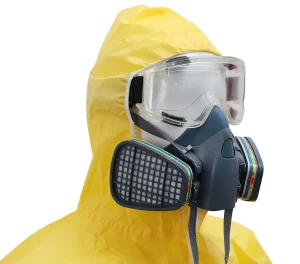

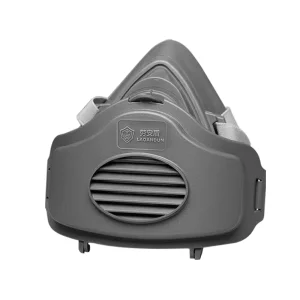
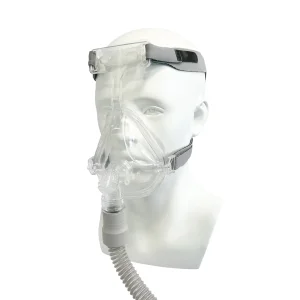
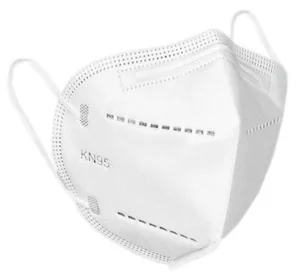
In the modern era of industrial safety, clinical diagnostics, and public health management, non-contact infrared thermometry has transitioned from a specialized tool to a cornerstone requirement of standard operations.
Globally, corporate procurement departments face the challenge of securing high-precision, medical-grade temperature measurement devices (known colloquially in Spanish-speaking markets as termómetros infrarrojos). This task is complicated by a crowded supplier market, varying calibration standards, and strict localized compliance pathways. A true top-tier supplier is defined by more than just low-cost assembly; they must offer deep engineering expertise, sterile cleanroom manufacturing, automated calibration, and robust international certifications.
Whether procuring for hospital infrastructure, airport screening checkpoints, cold-chain monitoring, or large-scale manufacturing facilities, understanding the technical underpinnings and supply chain logistics is crucial. In this guide, we analyze the engineering benchmarks, regulatory systems, and factory capabilities that differentiate standard manufacturers from world-class suppliers.
Infrared thermometers rely on the physics of blackbody radiation. Every object with a temperature above absolute zero emits electromagnetic radiation. The wavelength and intensity of this radiation are directly proportional to its temperature, governed by Planck's Law and the Stefan-Boltzmann Law.
Furthermore, the distance-to-spot ratio (D:S ratio) is a vital parameter for industrial applications. While clinical forehead thermometers are calibrated for close-range measurement (1 to 5 cm), industrial units feature D:S ratios ranging from 12:1 to 50:1. This enables safe, long-range temperature tracking of high-voltage systems and chemical machinery.
For medical devices, regulatory clearance is non-negotiable. Importing infrared thermometers requires compliance with various regional frameworks. Suppliers must provide up-to-date documentation to ensure customs clearance and legal distribution.
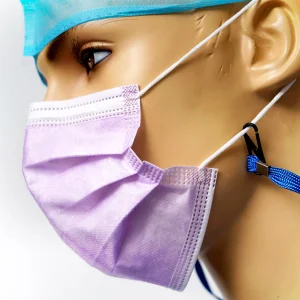
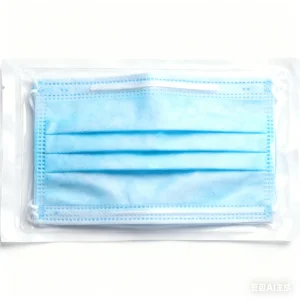
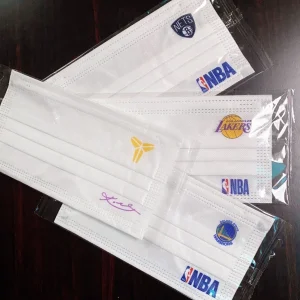
Zhejiang DrSharpe Health Co., Ltd. is a professional manufacturer and global supplier specializing in disposable medical and healthcare products, especially high-quality face masks and protective solutions.
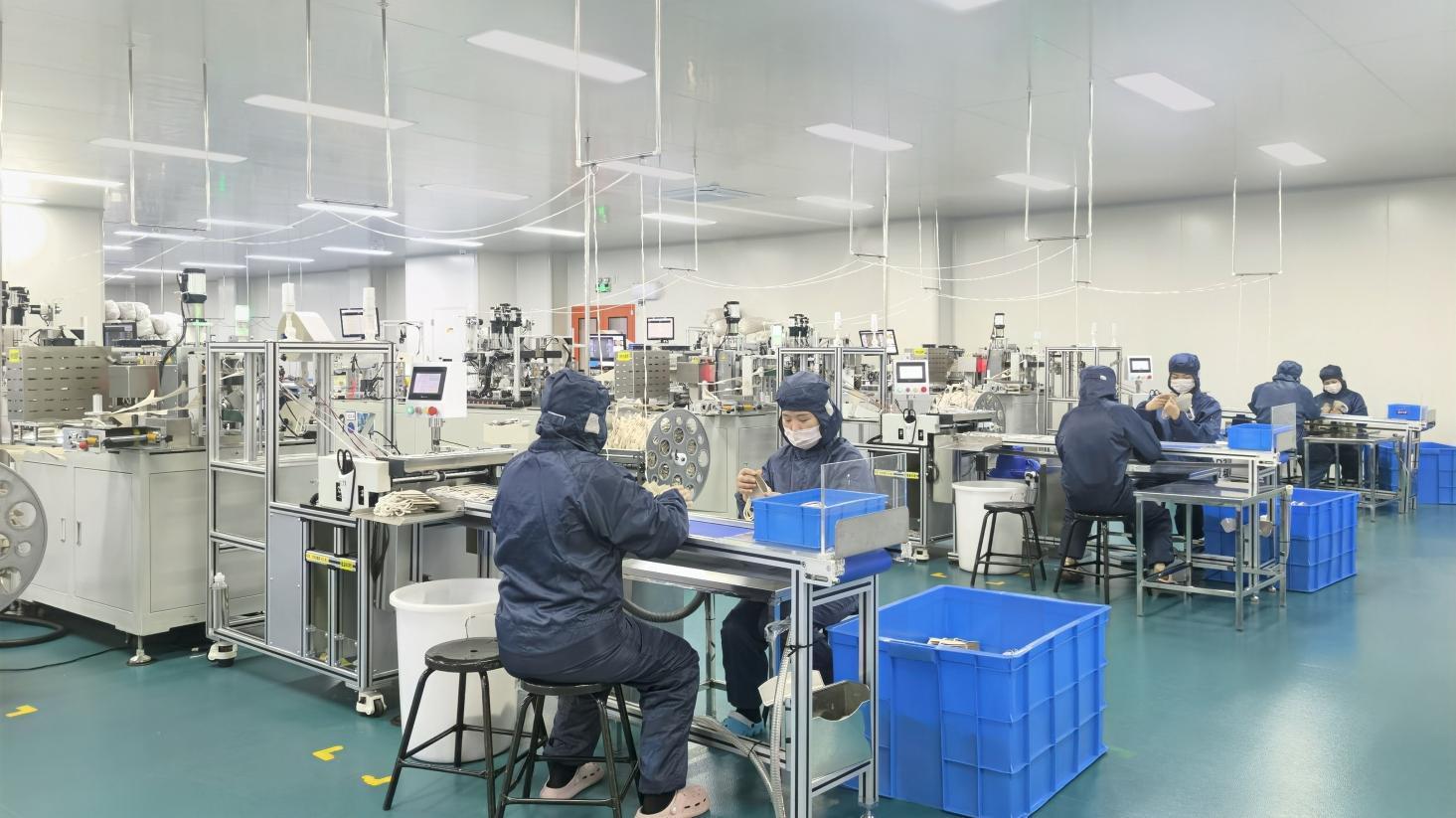
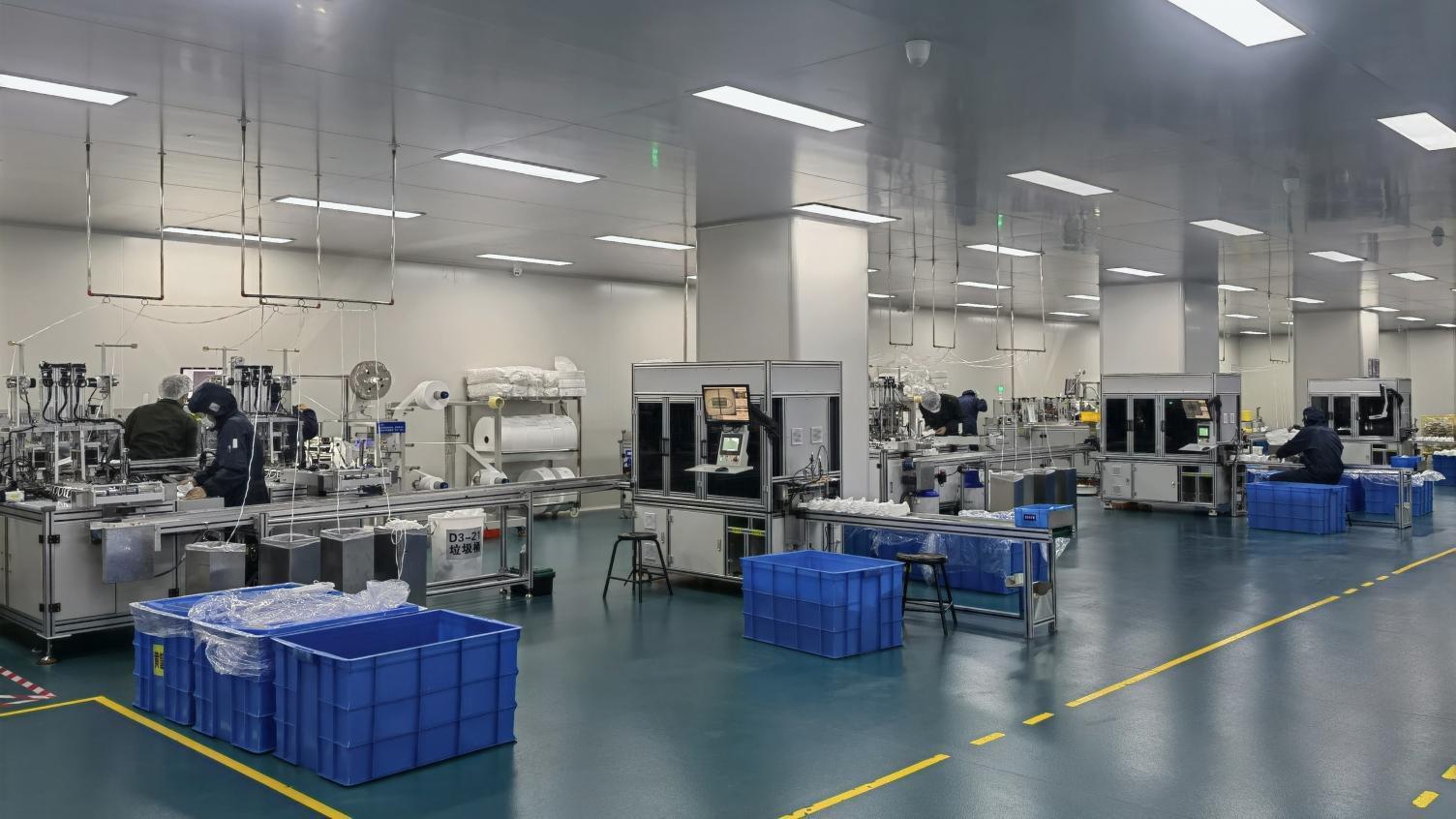
With strong manufacturing capabilities, advanced production technology, and strict quality management, DrSharpe is committed to providing safe, reliable, and comfortable healthcare products for customers worldwide. Our production facility is equipped with 5 fully automatic mask production machines and 12 semi-automatic mask production machines, supported by an experienced production and service team. From raw material selection to final packaging, we strictly control every production process to ensure stable quality and reliable supply. Our products are widely exported to markets including the United States, Europe, Japan, Mexico, Germany, and the United Kingdom.
Using advanced filtration materials, our masks achieve up to 99% Bacterial Filtration Efficiency (BFE) and 99% Particle Filtration Efficiency (PFE), offering excellent protection and wearing comfort. Our products comply with international standards and have obtained certifications including CE, US FDA, and US EUA. Driven by innovation, quality, and customer satisfaction, Zhejiang DrSharpe Health Co., Ltd. continues to deliver trusted healthcare solutions and build long-term partnerships with customers around the world.
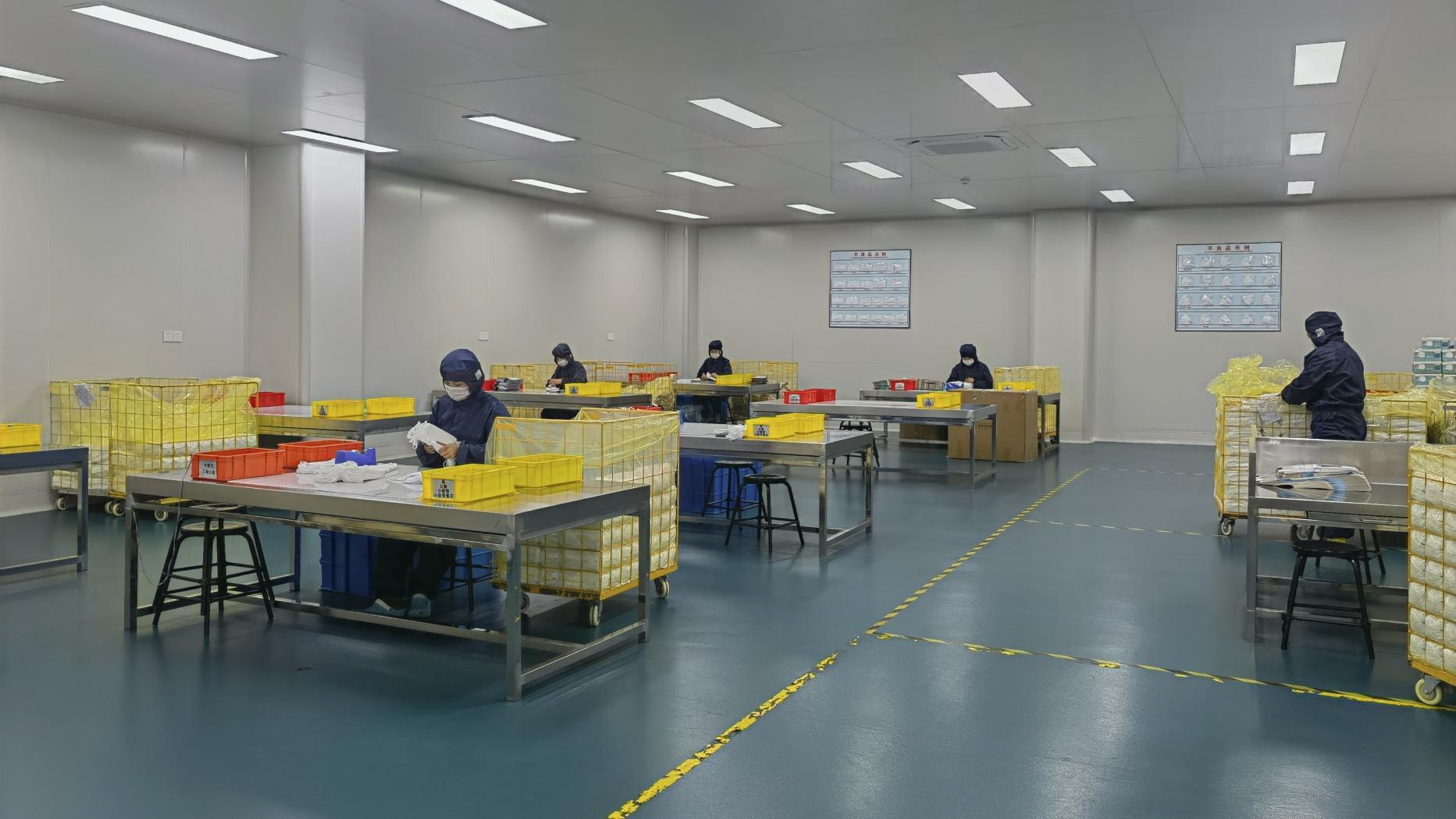
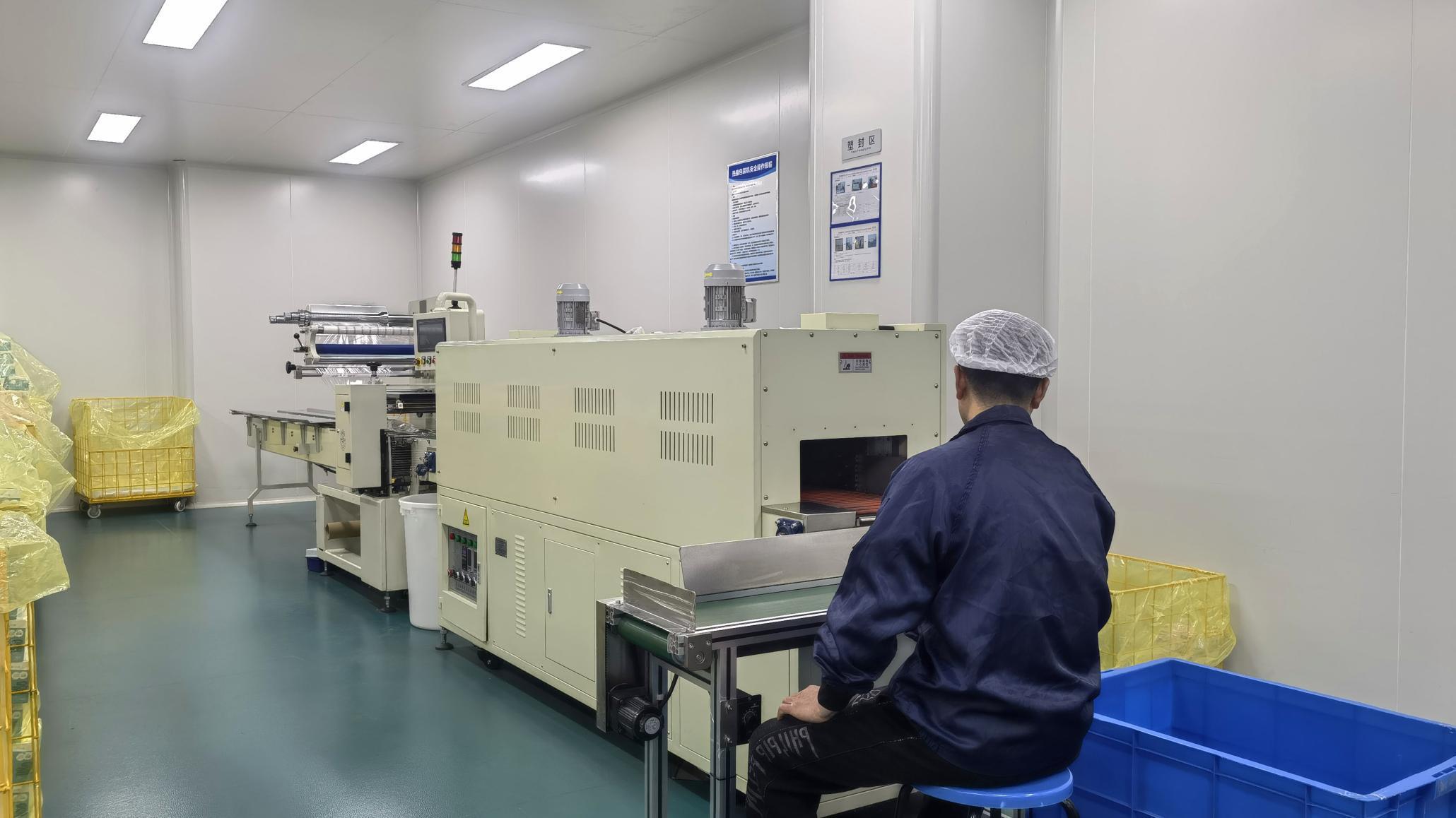
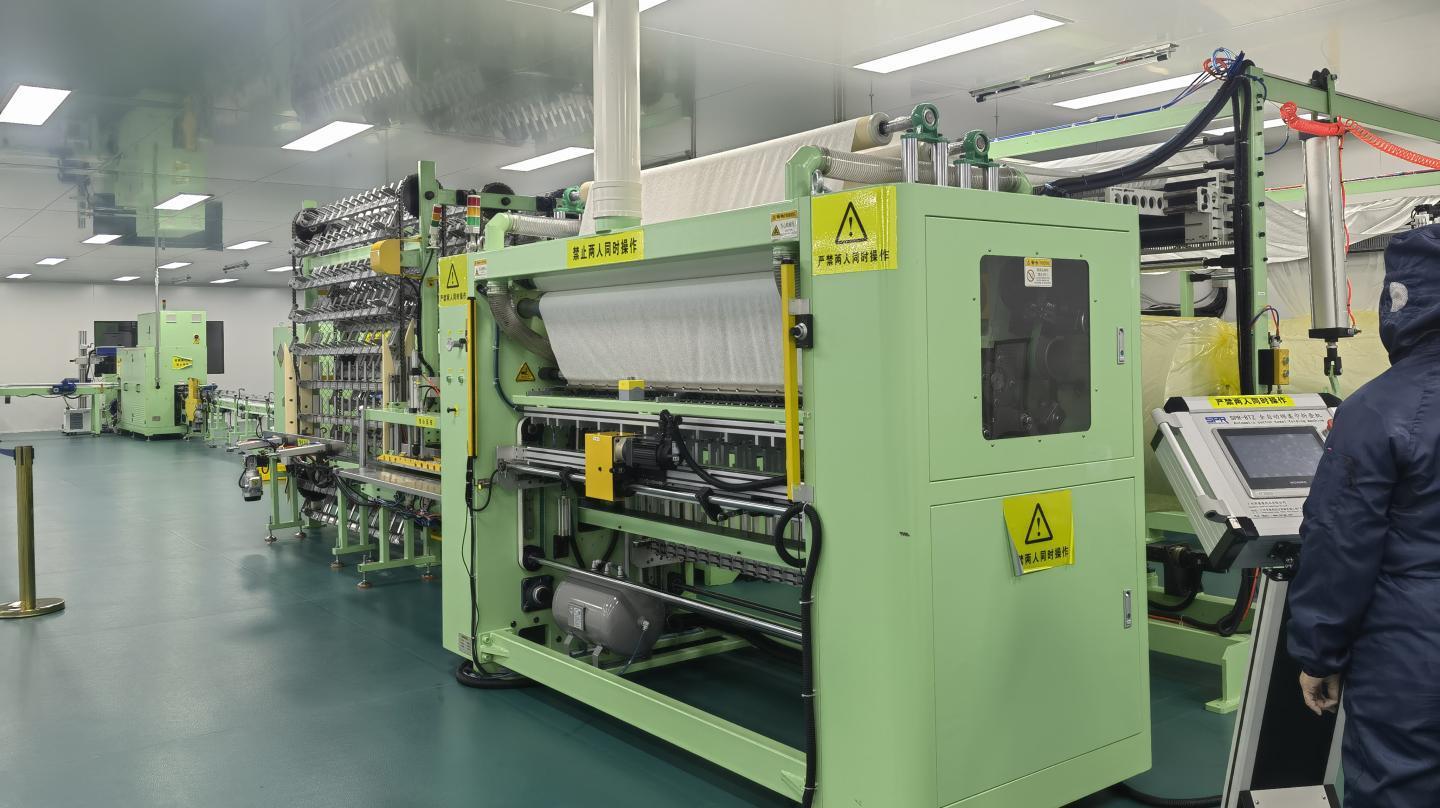
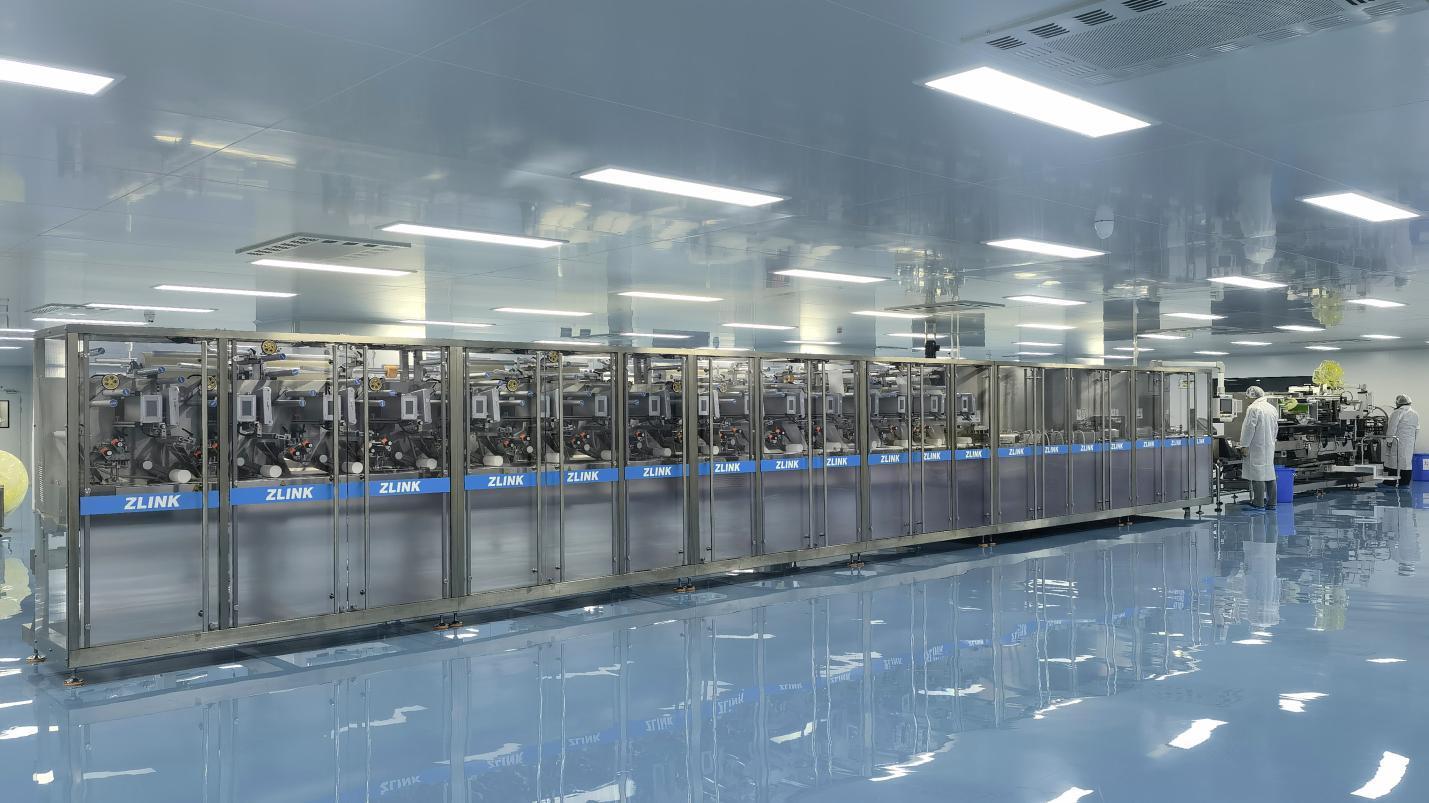
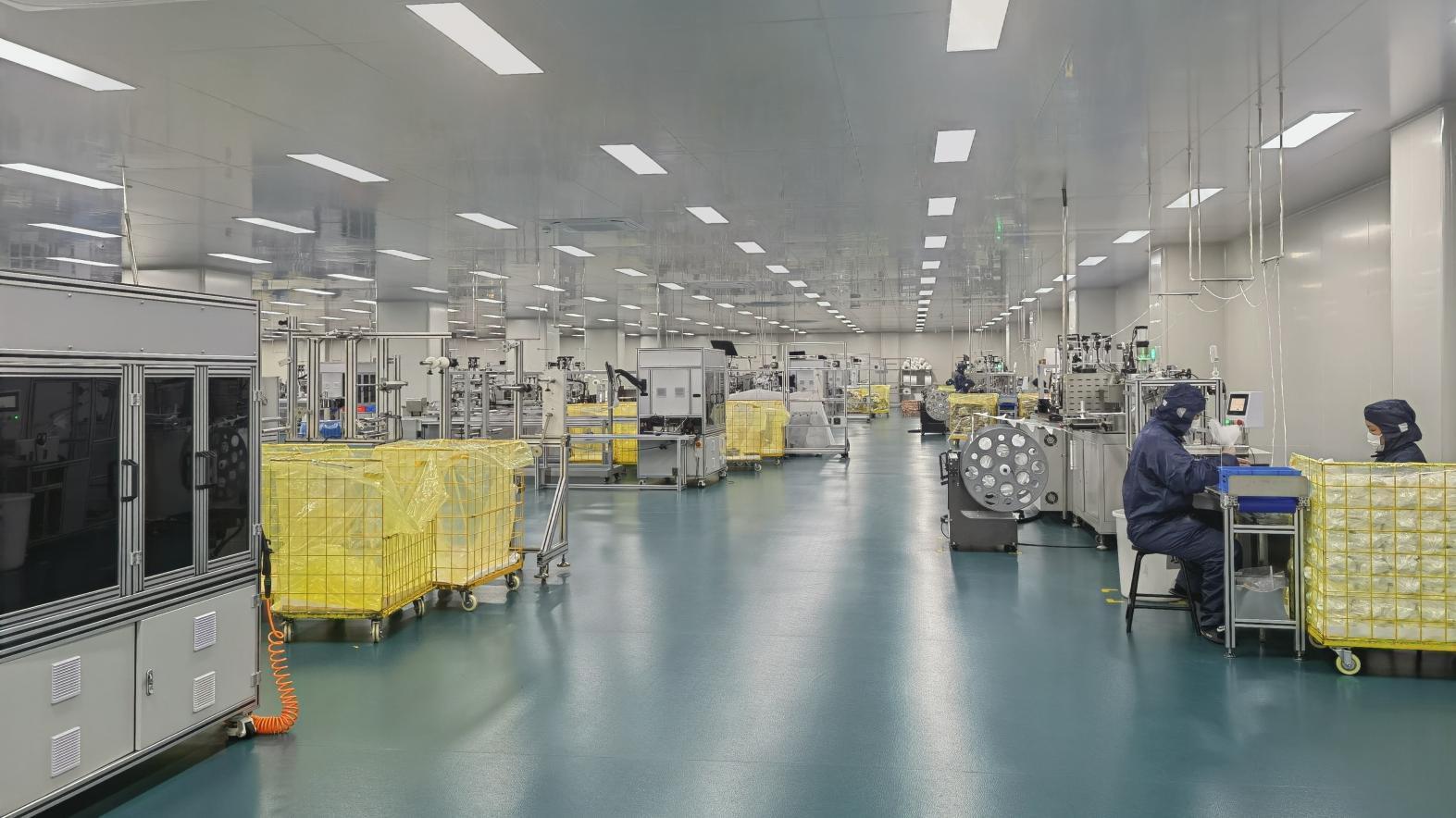
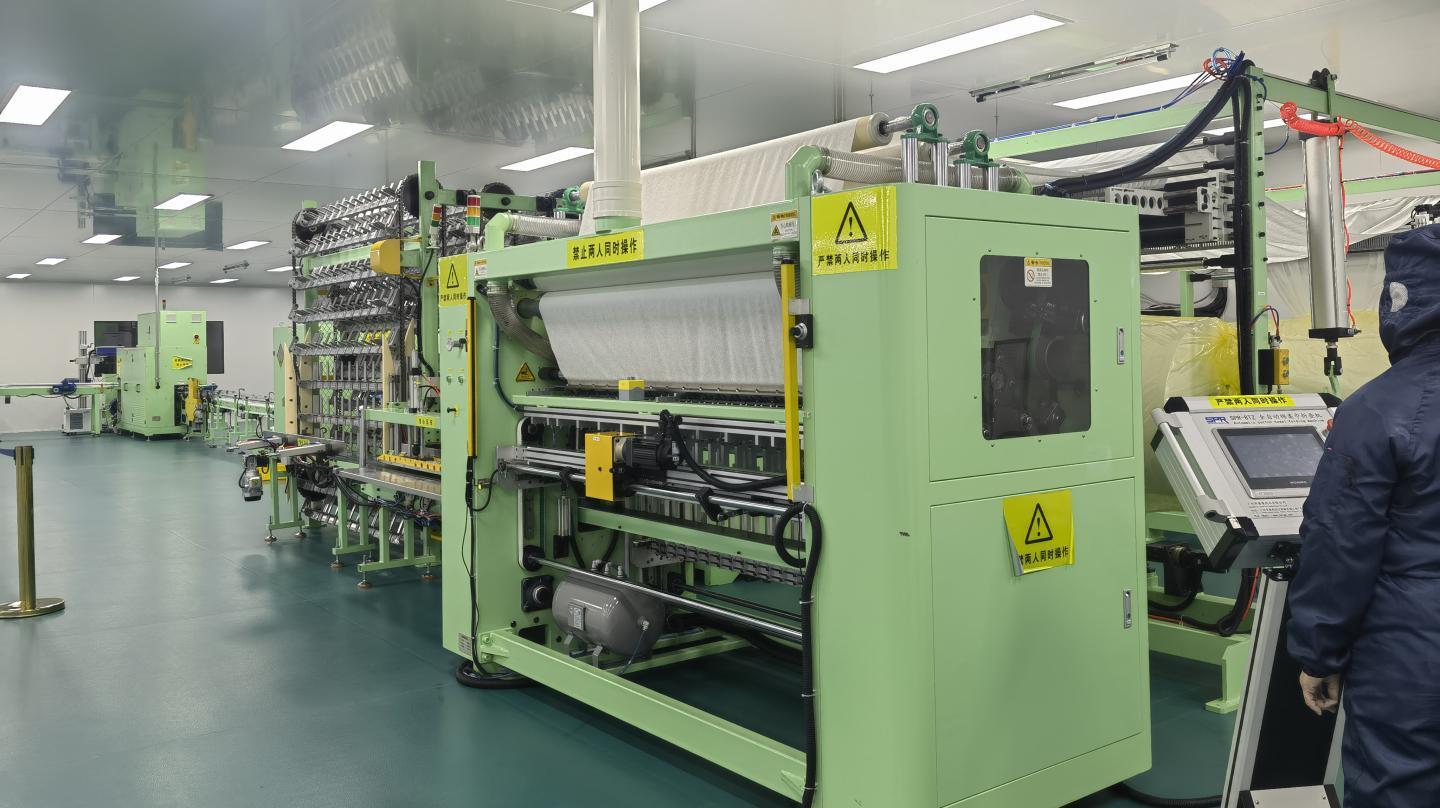
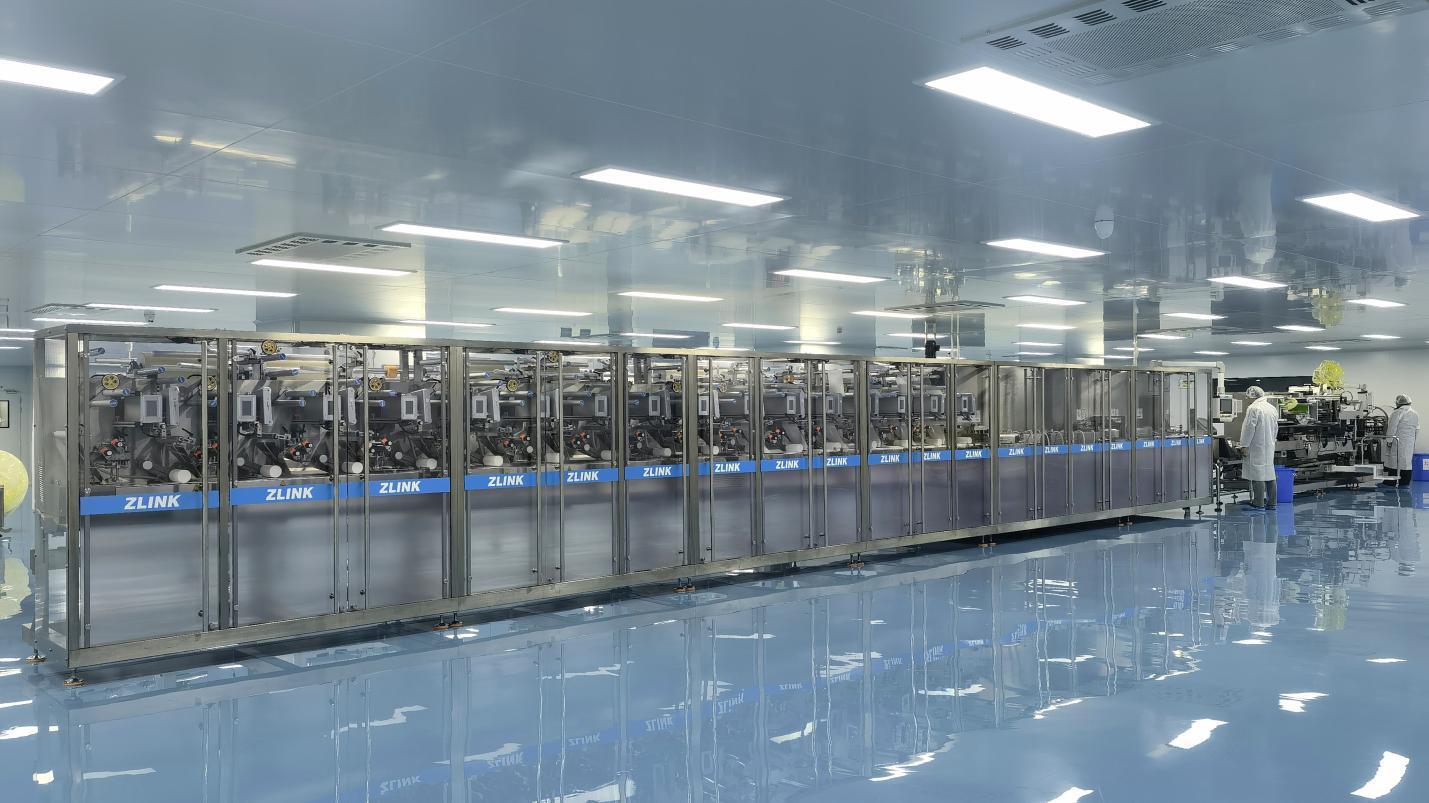
To ensure product quality and avoid supply chain disruption, procurement managers should evaluate potential partners using a structured verification process.
1. Technical Capability & Calibration: Verify if the factory uses automated blackbody calibration systems. Manual calibration is prone to human error and can lead to reading drift over time.
2. Environmental Controls: Temperature sensors are sensitive to dust and moisture. Assembly should take place in ISO Class 7 or Class 8 cleanrooms to prevent contamination of the optical lens assembly.
3. Quality Control (QC) and Batch Testing: Reputable manufacturers conduct burn-in tests, keeping completed devices in high-temperature chambers to detect premature electronic failure before shipping.
4. Technical Documentation: Ensure the factory provides comprehensive datasheets, user manuals in the target language (e.g. Spanish for Latin American markets), and compliance documentation (such as CE, FDA, and FCC certificates).
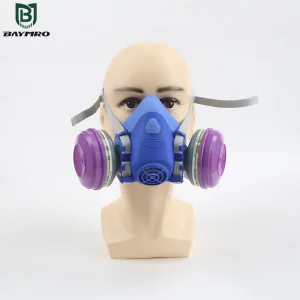
Explore our range of professional masks and specialized respirators designed for high-risk clinical and industrial environments.