DrSharpe Health
DrSharpe Health
DrSharpe Health
Premium medical-grade, KF94, and specialized industrial masks engineered for global compliance and superior biological/particulate filtration.

A comprehensive analysis of market trends, supply chain economics, and technological shifts governing the global PPE mask manufacturing sector.
The global protective gear mask market has entered a mature phase characterized by technological optimization, strict compliance, and sustainability. Post-pandemic restructuring has shifted the global manufacturing paradigm from emergency capacity expansion to long-term supply chain resilience, advanced raw-material research, and regulatory harmonization. According to recent industrial data, the demand for personal protective equipment (PPE)—specifically high-efficacy particulate respirators and medical-grade masks—continues to scale at a stable CAGR of 6.2%, driven by growing industrialization, strict occupational safety mandates, and heightened public health awareness across developed and developing economies.
At the center of this industrial landscape are the primary hubs of non-woven fabric engineering, located extensively in mainland China, South Korea, Germany, and the United States. High-performance protective gear masks rely on a sophisticated multi-layered architecture where the spunbond and melt-blown polypropylene layers determine the overall performance. The commercial success of global distributors and industrial purchasers now depends heavily on identifying suppliers that provide consistent filtration efficiency, low inhalation resistance, and robust certification records.
An in-depth review of how high-performance melt-blown non-wovens are engineered to achieve superior filtration and low breathing resistance.
The manufacturing process begins with high melt-flow index (MFI) polypropylene (PP). Through precise thermal extrusion, these polymers are transformed into ultra-fine microfibers measuring less than 2 micrometers in diameter. These fibers form a randomized web that creates a physical labyrinth, effectively trapping airborne dust, bacteria, and virus-laden aerosols.
Physical filtration alone cannot achieve a 99% filtration rate without significantly restricting airflow. Modern plants solve this challenge by applying an electrostatic field to the melt-blown web. This permanent charge enables the fibers to attract and capture sub-micron particles through electrostatic force, keeping breathing resistance low and user comfort high.
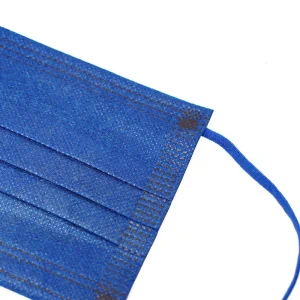
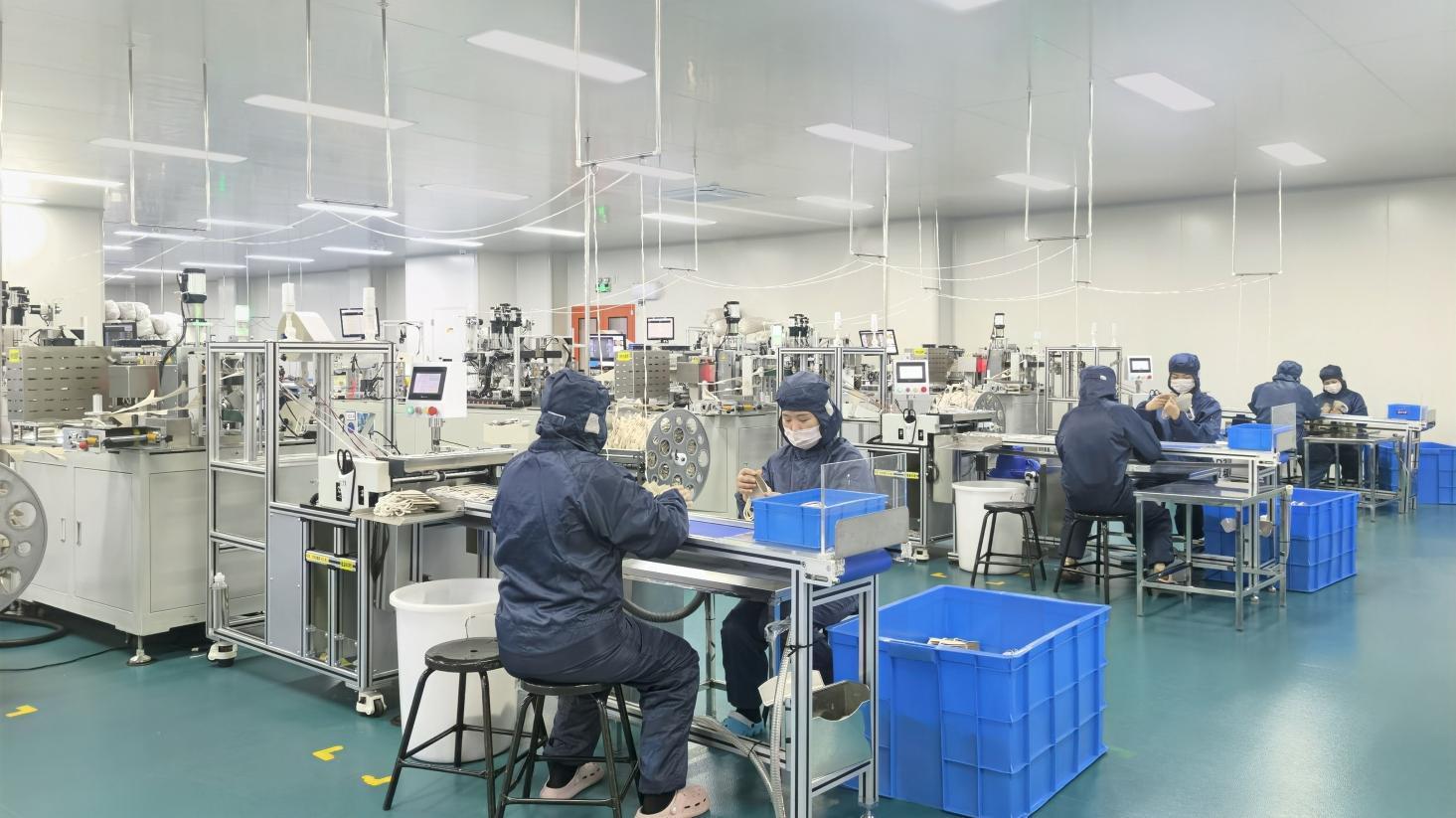
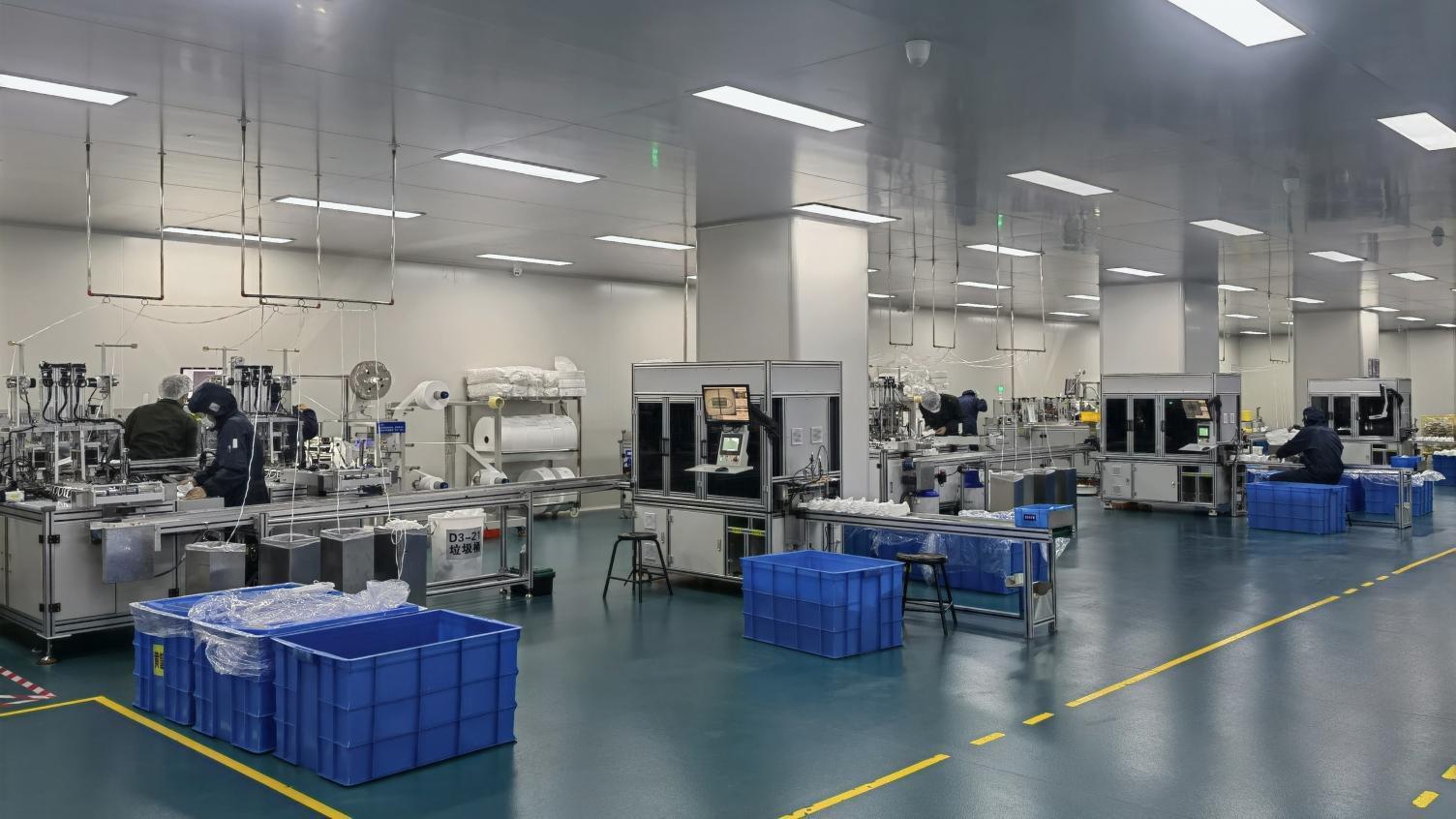
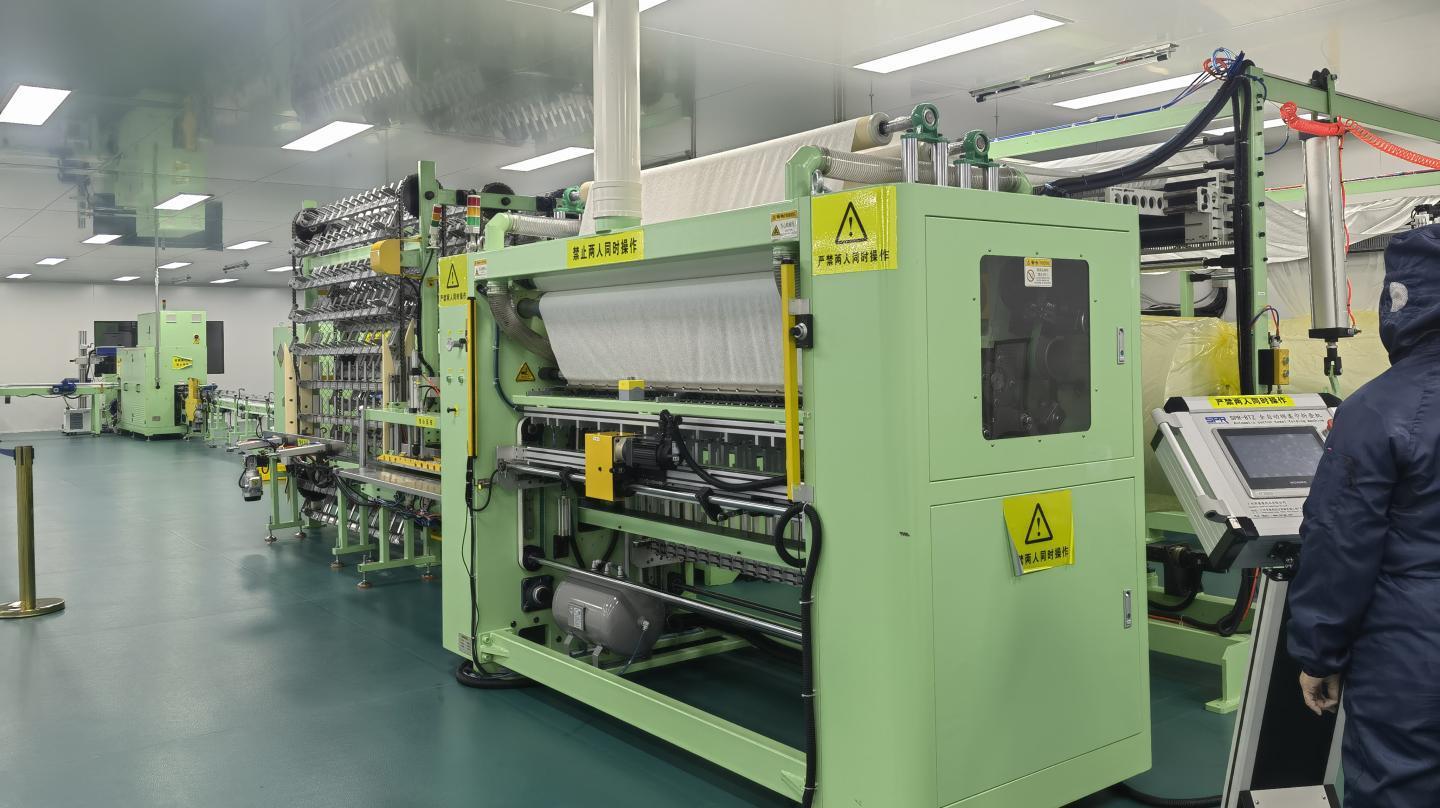
Advanced assembly lines use precise ultrasonic welding to join the layers without using thermal adhesives, preserving the breathability of the fabric. Soft, high-elasticity polyurethane and polyester earloops are welded securely to the outer layers to prevent tearing, ensuring a comfortable fit even during long periods of use.
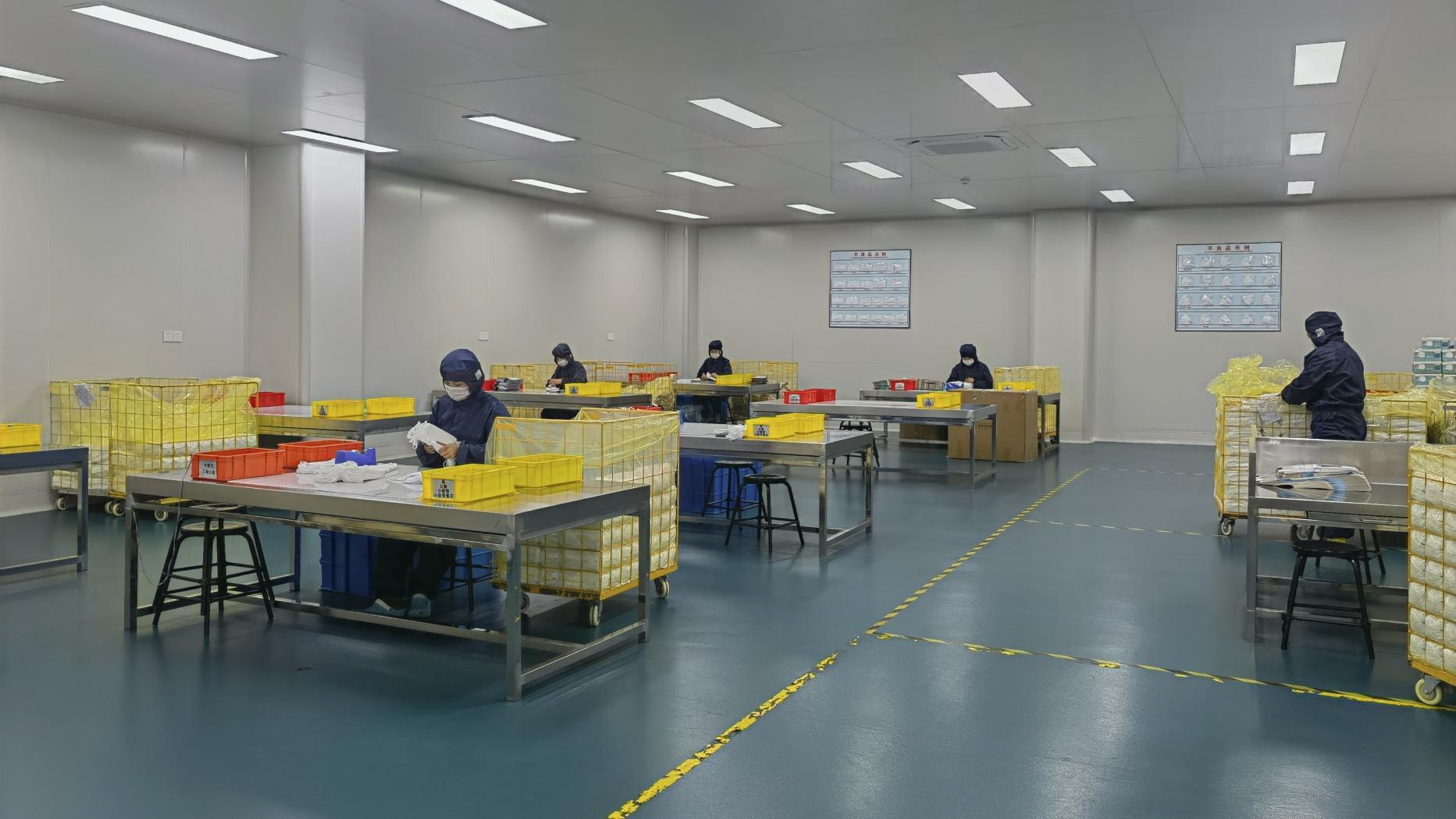
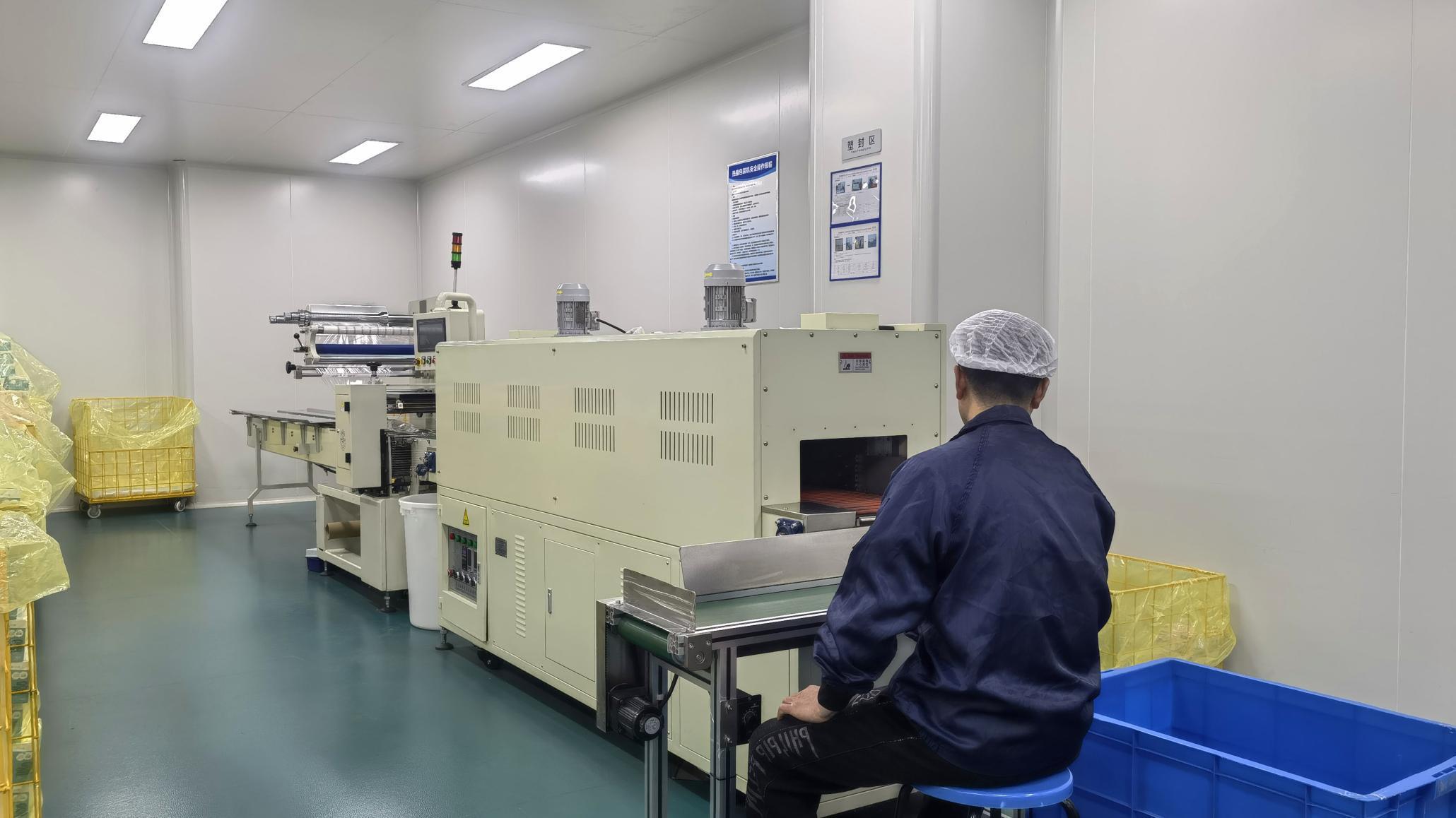
Top factories employ high-speed CCD camera systems to inspect every mask in real time for structural integrity, alignment, and earloop strength. Automated packaging machinery then seals the products in sterile film, minimizing human contact and maintaining sanitary conditions before shipment.
How global buyers deploy specific protective masks to meet localized regulations and demanding work environments.
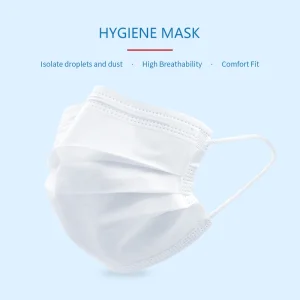
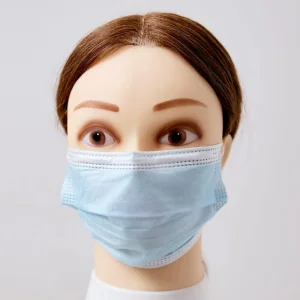
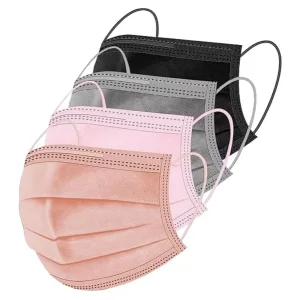
Hospitals and clinics require certified medical devices that resist fluid penetration and block biological aerosols. For these environments, EN 14683 Type IIR or ASTM Level 3 surgical masks are essential. These masks feature a splash-resistant outer layer that protects healthcare workers from high-pressure fluid splatters during surgical procedures, while maintaining a BFE/PFE above 98%.
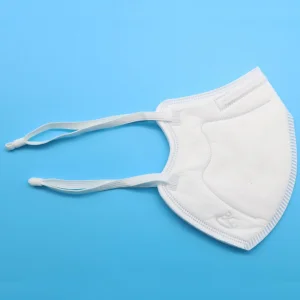
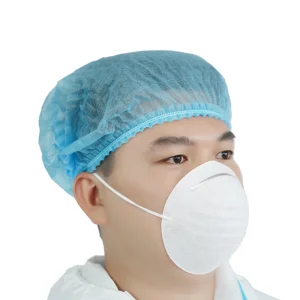
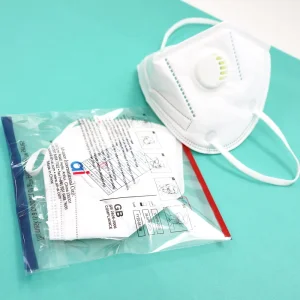
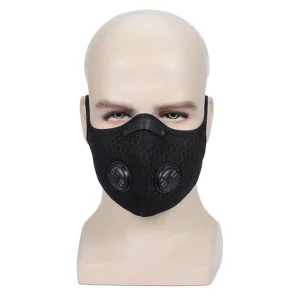
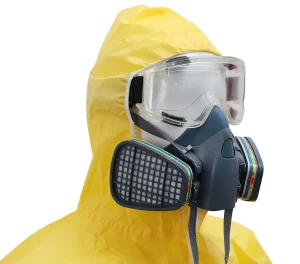
Industrial settings expose workers to high concentrations of abrasive mineral dust, metallic particles, and crystalline silica. In these environments, standard daily masks are insufficient. Heavy-duty particulate respirators, such as NIOSH N95, EN 149 FFP2, or activated carbon sport respirators, are required. These masks feature durable cup designs or flat-fold profiles with integrated exhaust valves to reduce heat buildup and improve worker comfort.
In cleanrooms, the primary goal is protecting sensitive silicon wafers and electronic components from human contamination, such as skin flakes and saliva. Standard masks may shed fibers, which can ruin delicate components. Cleanrooms require specialized low-linting, ultra-clean non-woven masks that undergo cleanroom-compatible laundering and vacuum packaging to prevent particle shedding.
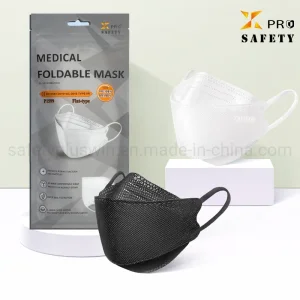
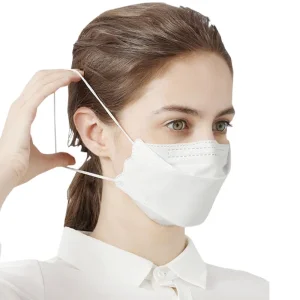
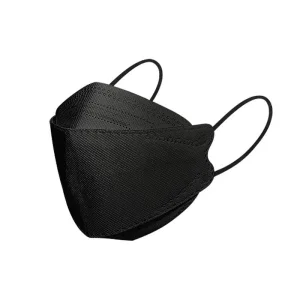
Urban commuters in high-pollution cities rely on comfortable, high-filtration masks to block PM2.5 particulates, vehicle exhaust, and seasonal allergens. 3D-molded KF94 masks are highly popular for this application. They fit snugly to prevent leaks, leave space around the mouth for easier breathing, and feature comfortable earloops that prevent fatigue during long commutes.
A trusted global manufacturer specializing in disposable medical, personal protection, and high-efficiency healthcare products.
Zhejiang DrSharpe Health Co., Ltd. is a professional manufacturer and global supplier specializing in disposable medical and healthcare products, especially high-quality face masks and protective solutions.
With strong manufacturing capabilities, advanced production technology, and strict quality management, DrSharpe is committed to providing safe, reliable, and comfortable healthcare products for customers worldwide. Our products are widely exported to international markets including the United States, Europe, Japan, Mexico, Germany, and the United Kingdom, making us a key supplier for global health organizations and distributors.
DrSharpe mainly provides disposable face masks and related healthcare products for medical, personal protection, and daily use applications. Using advanced filtration materials, our masks achieve up to 99% Bacterial Filtration Efficiency (BFE) and 99% Particle Filtration Efficiency (PFE), offering excellent protection and wearing comfort.
Our products comply with international standards and have obtained certifications including CE, US FDA, and US EUA, ensuring hassle-free import customs clearance and maximum reliability for end consumers.
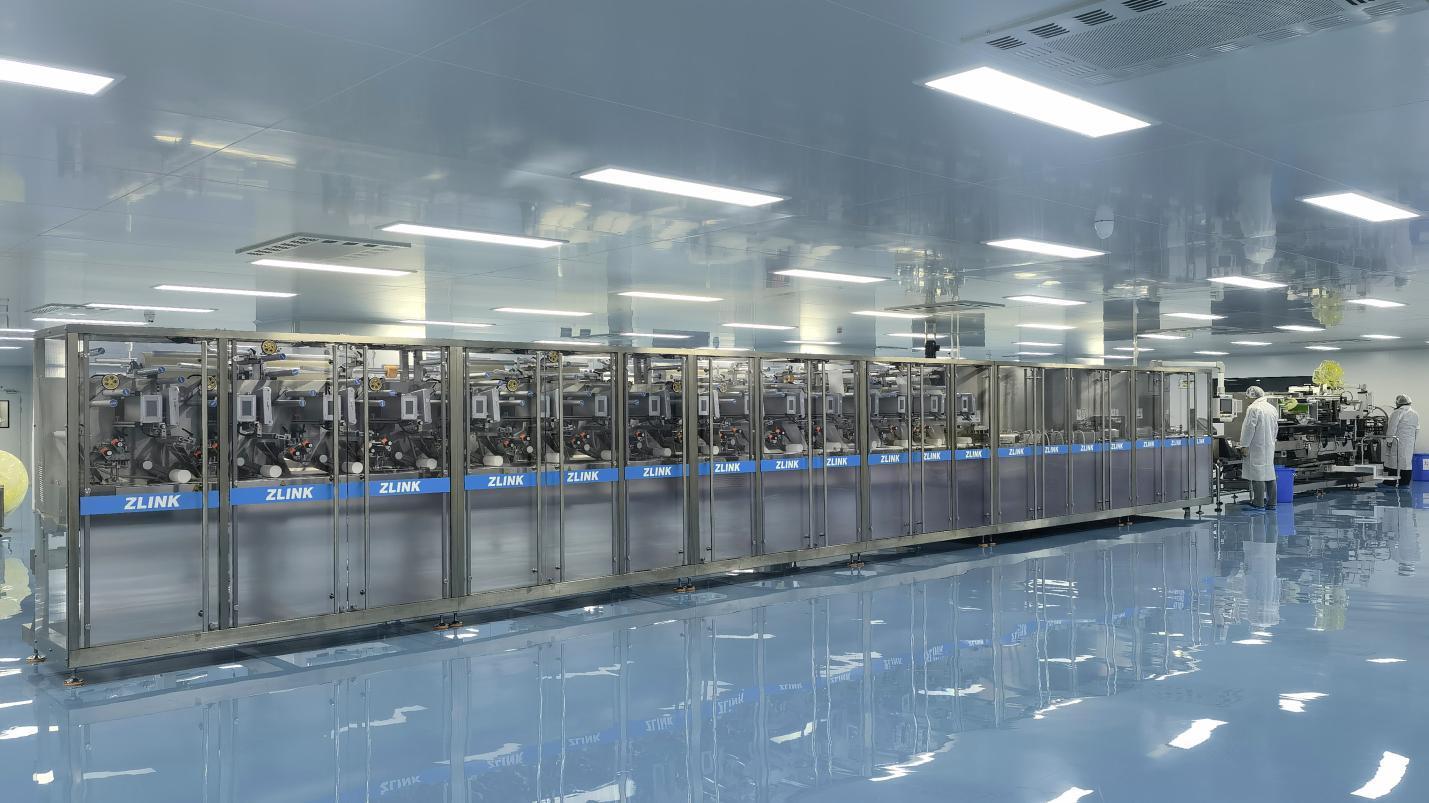
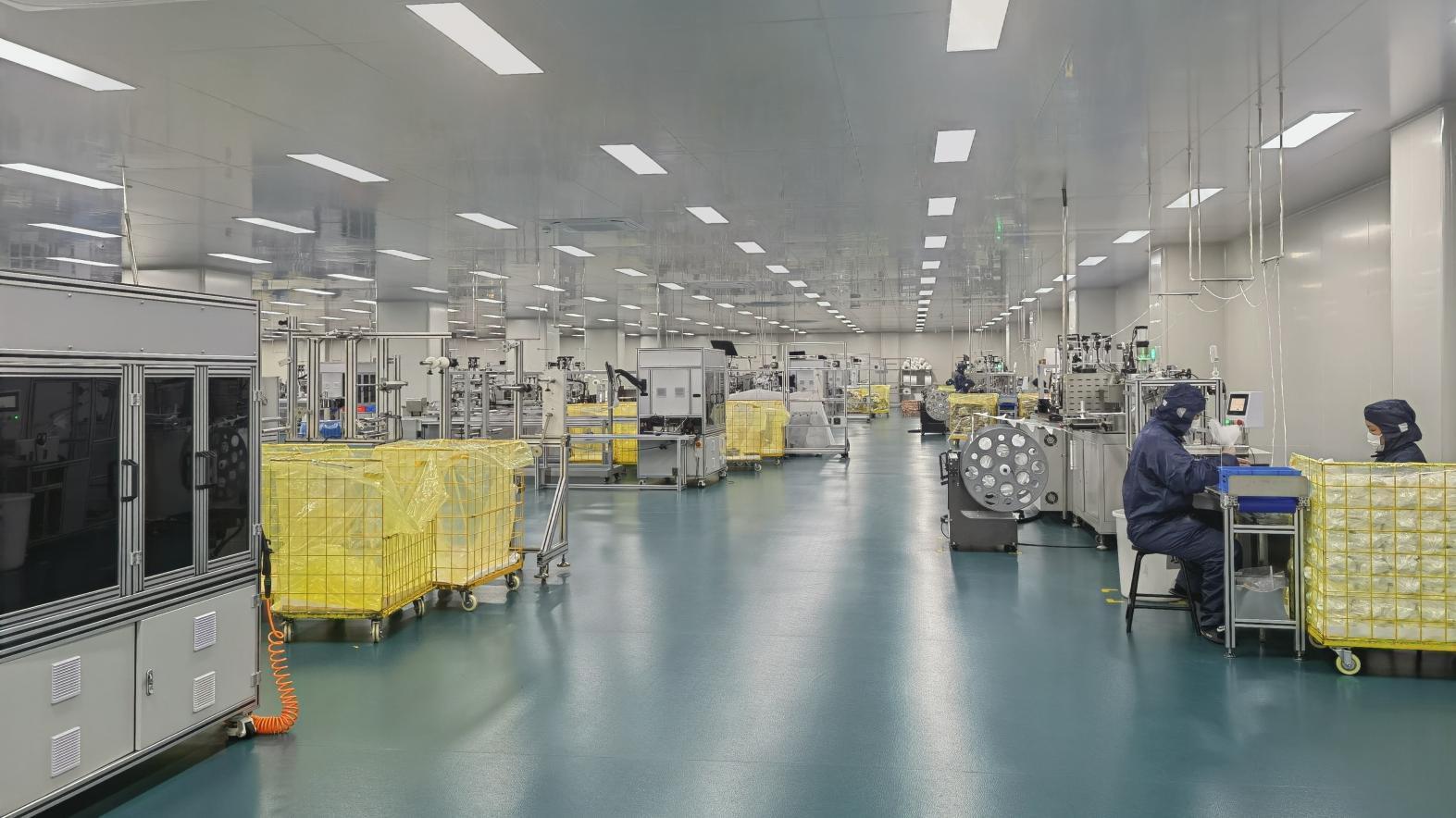
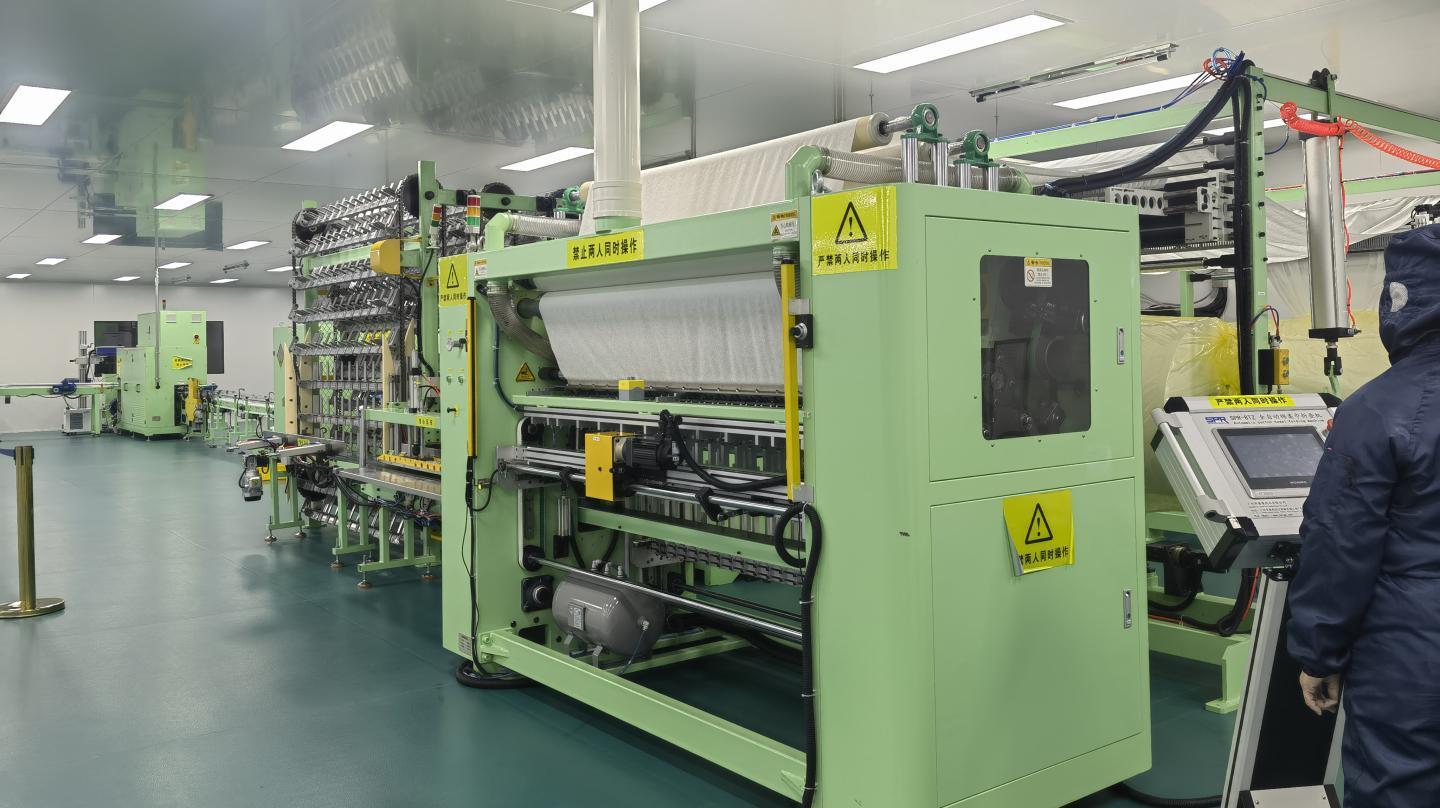
Our modern manufacturing facility is equipped with:
Our Commitment: Driven by innovation, quality, and customer satisfaction, Zhejiang DrSharpe Health Co., Ltd. continues to deliver trusted healthcare solutions and build long-term partnerships with customers around the world.
A step-by-step audit framework to verify mask factories for compliance, quality assurance, and long-term production reliability.
When selecting a protective gear mask factory for high-volume supply, procurement departments must evaluate several critical factors. Relying on pricing alone can lead to issues with customs clearance, failed safety inspections, and poor product quality. Use the following structured checklist to audit prospective suppliers:
Request independent lab test reports from recognized third-party agencies (such as Nelson Labs or SGS). Ensure that test parameters align with ASTM F2100 or EN 14683 standards, showing a BFE/PFE of ≥ 98% (or ≥ 99% for premium applications).
Ensure the facility is certified under ISO 13485 for medical devices. For export compliance, verify valid FDA registration, European CE declarations under MDR, and regional test reports from accredited laboratories.
Quality begins with the raw materials. Auditing your supplier's melt-blown non-woven source is essential. Trustworthy manufacturers partner with certified material suppliers and run regular lot-by-lot filtration tests on incoming materials.
Fully automated production lines prevent human contact and contamination. Verify the factory's daily output capacity and machinery count (such as automatic welding and packaging lines) to ensure they can meet large order deadlines.
Proper packaging prevents contamination during transit. Confirm that your supplier uses moisture-proof carton boxes, clean inner polybags, and clear labeling that includes batch numbers, manufacturing dates, and standard designations.
For custom branding, verify if the factory offers OEM services, including custom box designs, custom-embossed logos on the mask surface, and custom earloop configurations without compromising filtration performance.
Expert answers to common questions about mask standards, shelf life, filtration materials, and international importing regulations.
Bacterial Filtration Efficiency (BFE) measures how effectively a mask filters out larger biological droplets, using a test aerosol containing Staphylococcus aureus bacteria (around 3.0 microns in size). Particle Filtration Efficiency (PFE) measures the mask's ability to filter out non-viable sub-micron particles, using latex spheres or salt particles (typically 0.1 microns in size). Premium protective gear masks, like those from DrSharpe, achieve ≥99% in both BFE and PFE tests.
These standards represent similar filtration performance across different regions. N95 is the US standard certified by NIOSH, requiring at least 95% filtration efficiency against non-oil particles. KN95 is the Chinese standard (GB2626) which also requires ≥95% filtration. KF94 is the South Korean standard certified by the KFDA, requiring at least 94% filtration efficiency. KF94 masks are popular for their 3D ergonomic shape, which provides a comfortable seal with less mouth contact.
Electrostatic electret treatment adds a permanent charge to the melt-blown layer. This charge allows the fibers to attract and trap very small particles using electrostatic forces, rather than relying solely on physical blocking. This keeps the mask thin and highly breathable while maintaining high filtration efficiency, preventing the high breathing resistance common in untreated masks.
For the United States, medical masks require FDA registration, a 510(k) clearance number, or active Emergency Use Authorization (EUA) registration. For the European Union, importers need a CE declaration of conformity matching the EN 14683 standard, alongside factory ISO 13485 certification and test reports issued by a notified body.
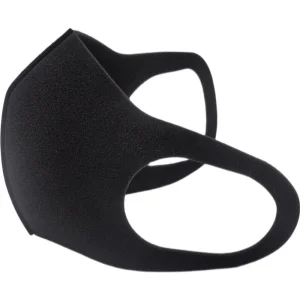
No. Sponge or PU foam masks are designed to block larger dust particles and provide basic windproofing, and do not feature a high-efficiency melt-blown layer. Carbon-infused masks are useful for absorbing organic odors and blocking industrial dust, but they are not medical-grade unless specified. For clinical and virus protection, always use certified 3-layer surgical masks or 4-layer respirators with certified BFE/PFE ratings.
Complete your sourcing portfolio with our full range of 3D, N95, and daily-use protective masks and hygienic products.