DrSharpe Health
DrSharpe Health
DrSharpe Health
Engineered with Advanced Filtration Technology to Deliver Maximum Comfort, Breathability, and Protection for Healthcare, Industrial, and Daily Settings.
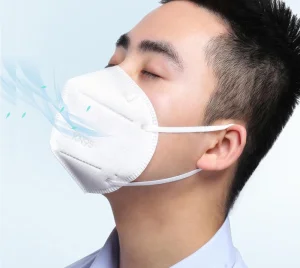
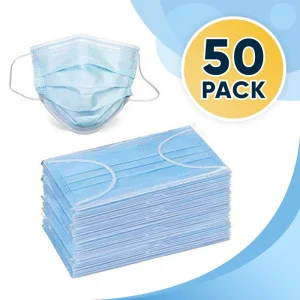
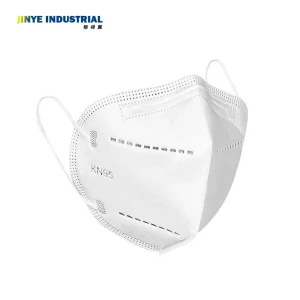
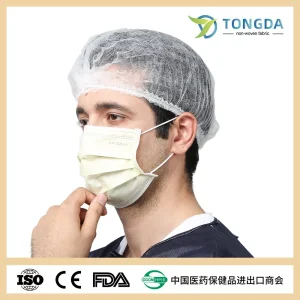
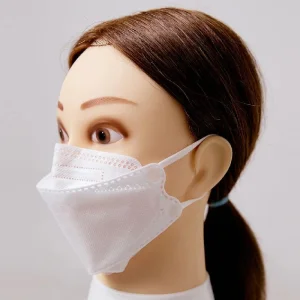
A Globally Recognized Leader in Disposable Medical and Personal Protective Solutions.
Zhejiang DrSharpe Health Co., Ltd. is a professional manufacturer and global supplier specializing in disposable medical and healthcare products, especially high-quality face masks and protective solutions. With strong manufacturing capabilities, advanced production technology, and strict quality management, DrSharpe is committed to providing safe, reliable, and comfortable healthcare products for customers worldwide.
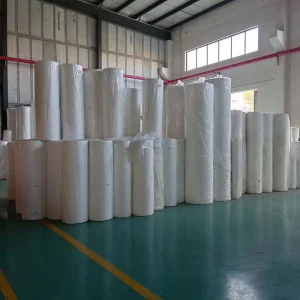
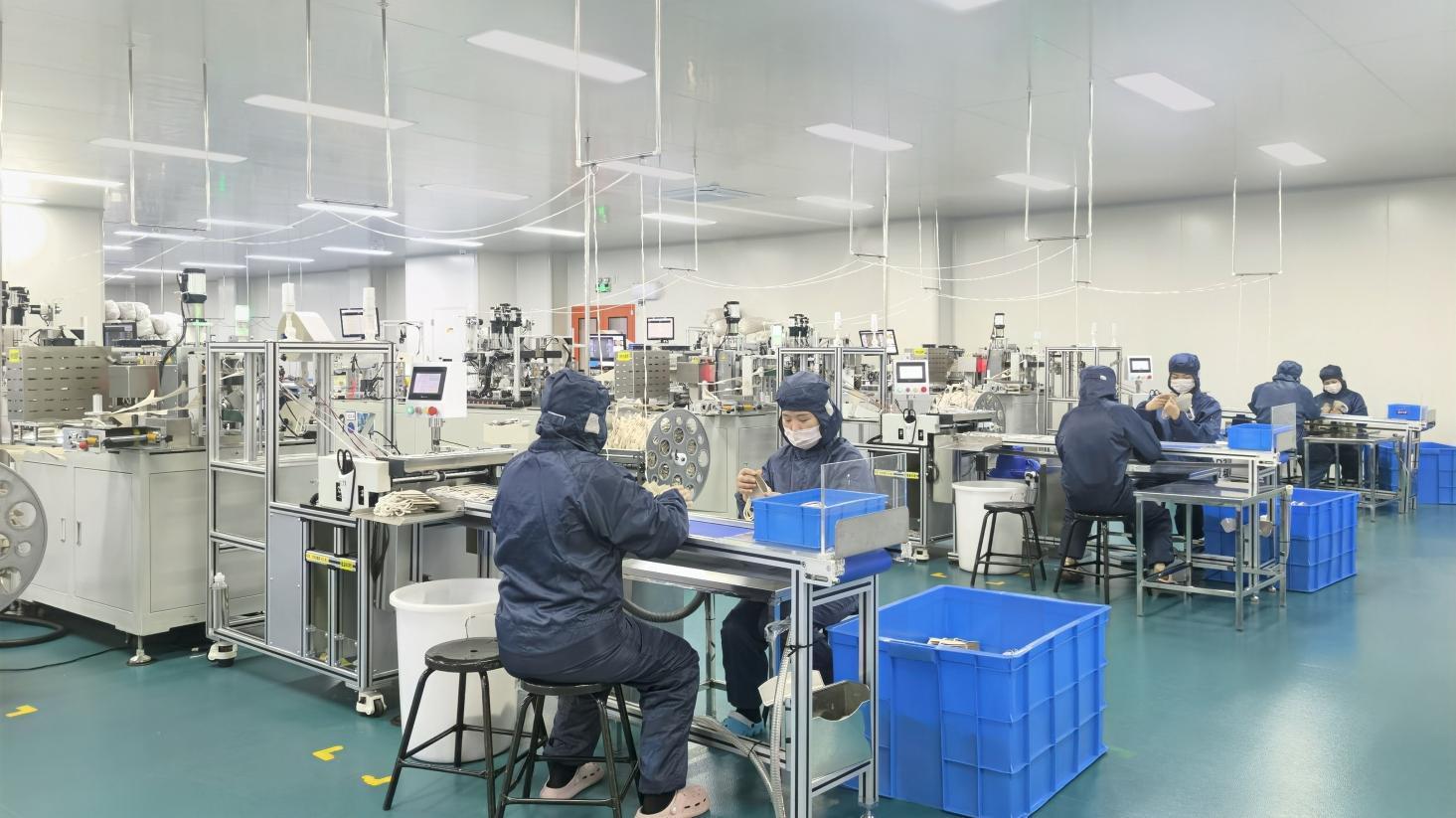
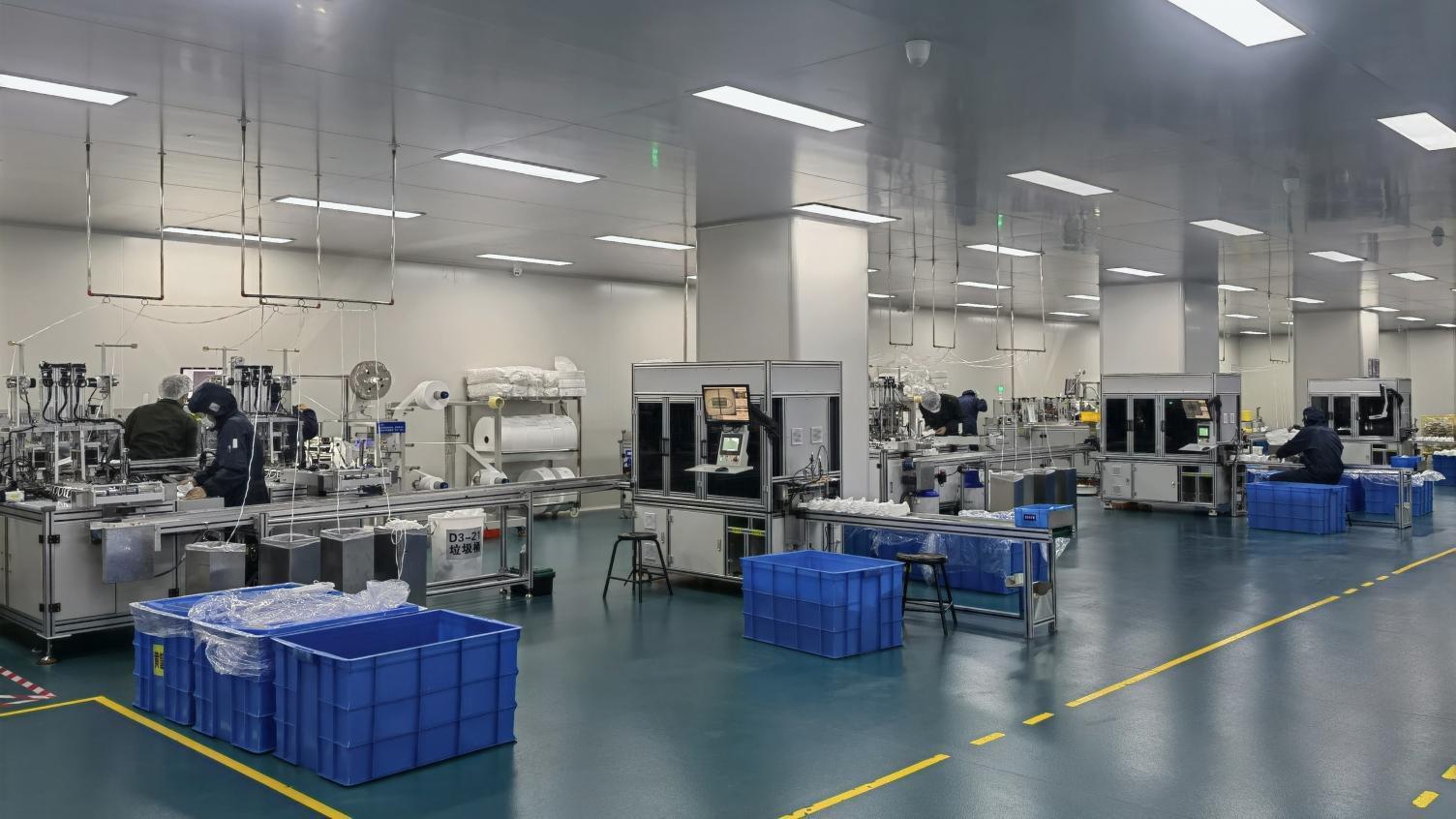
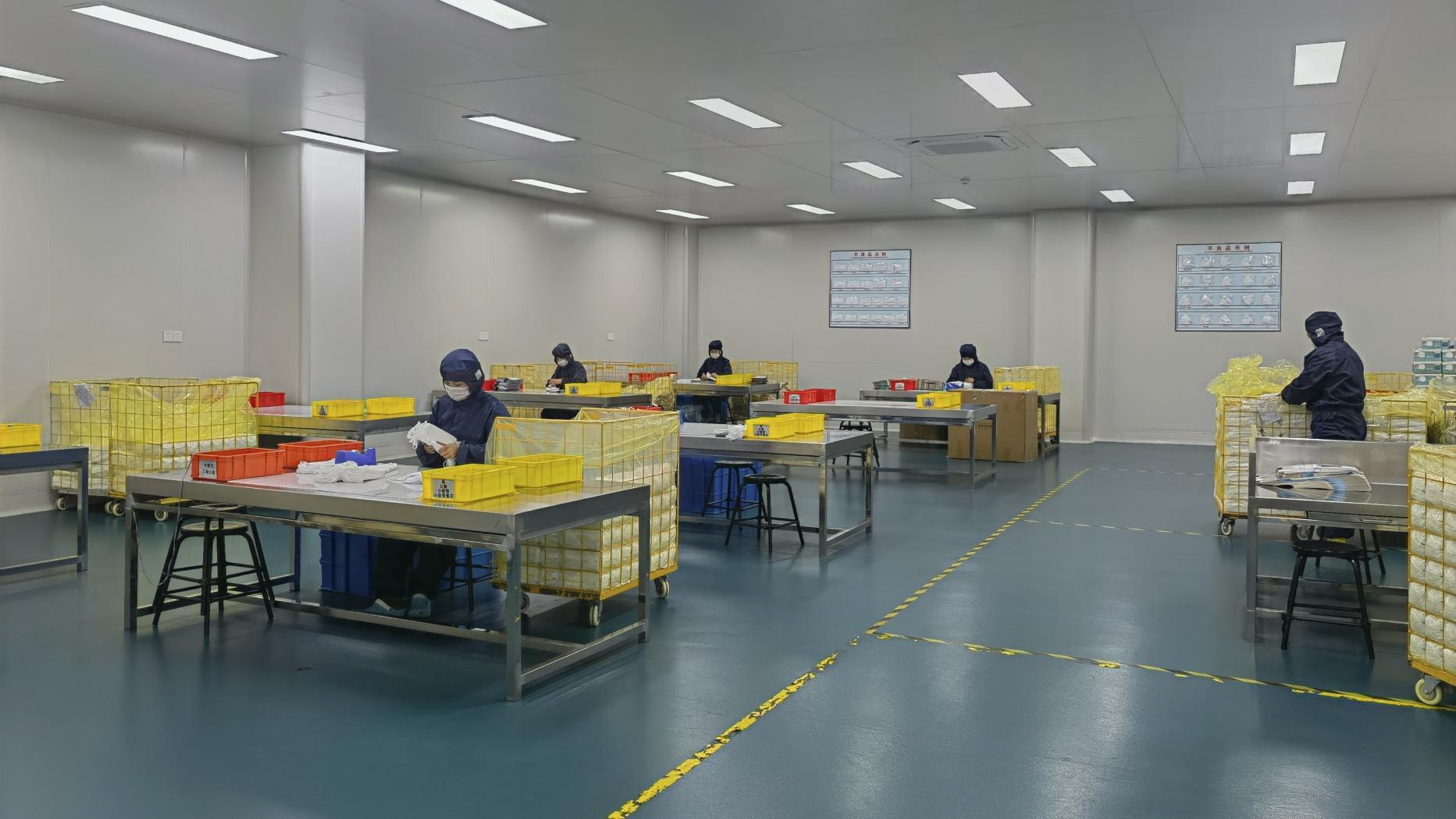
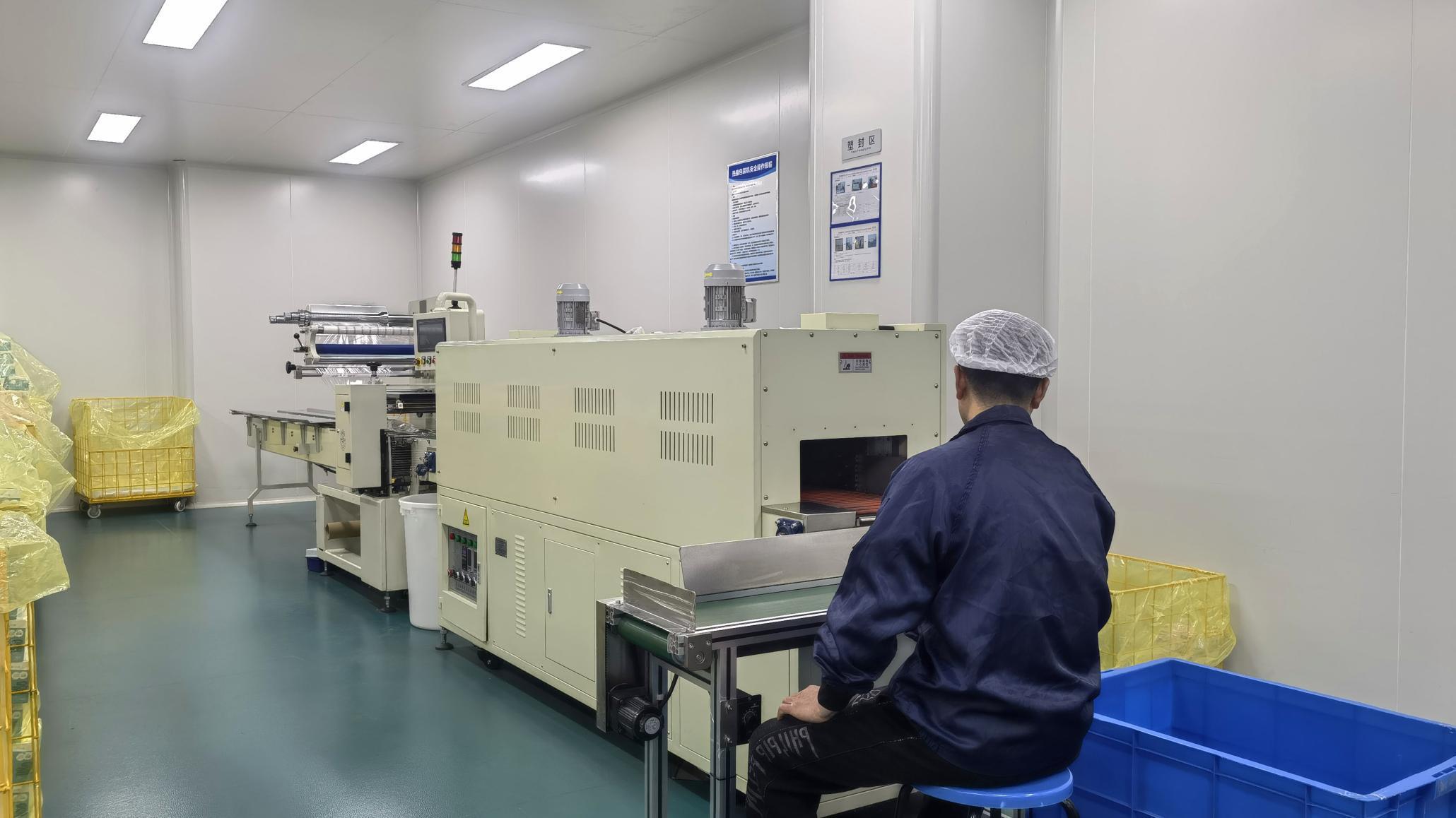
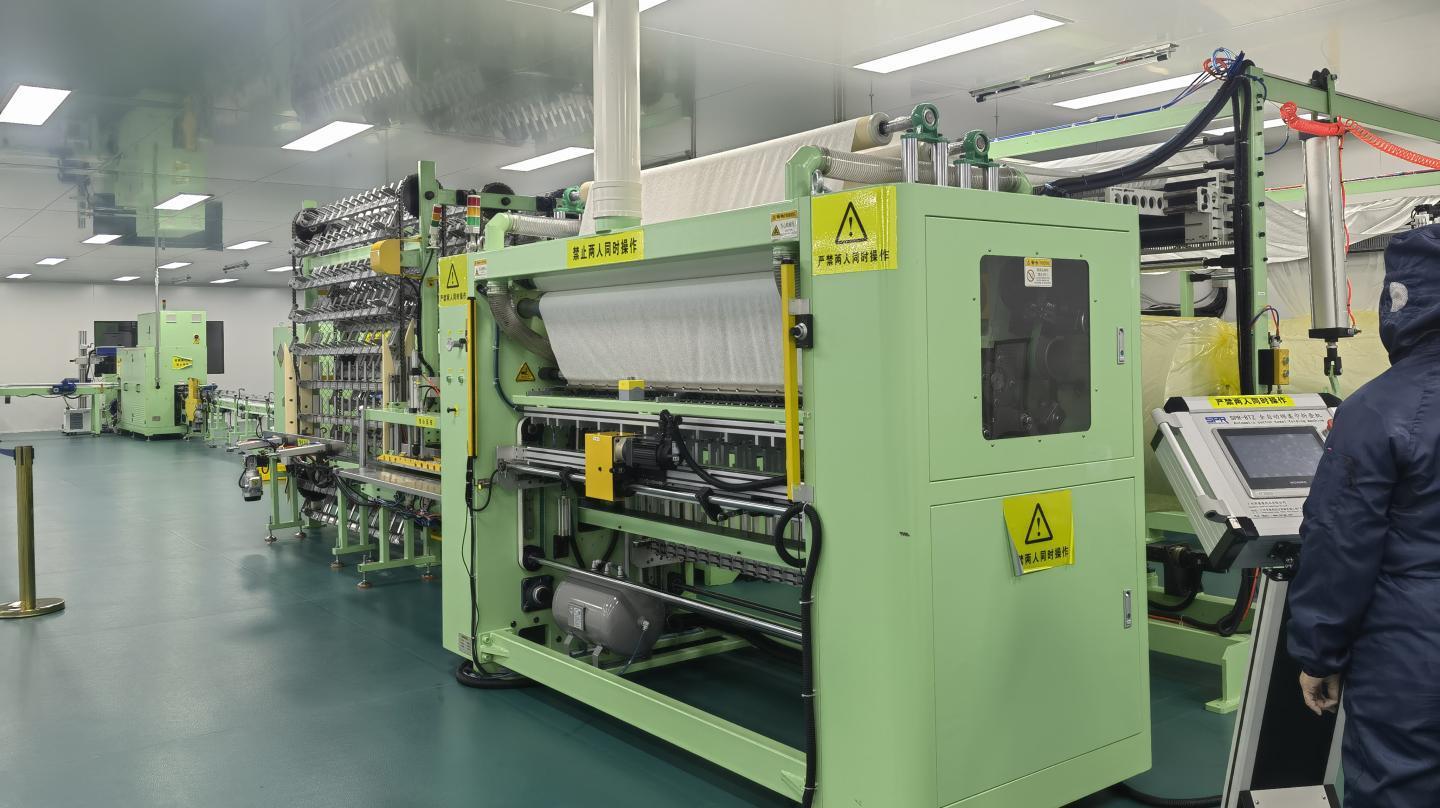
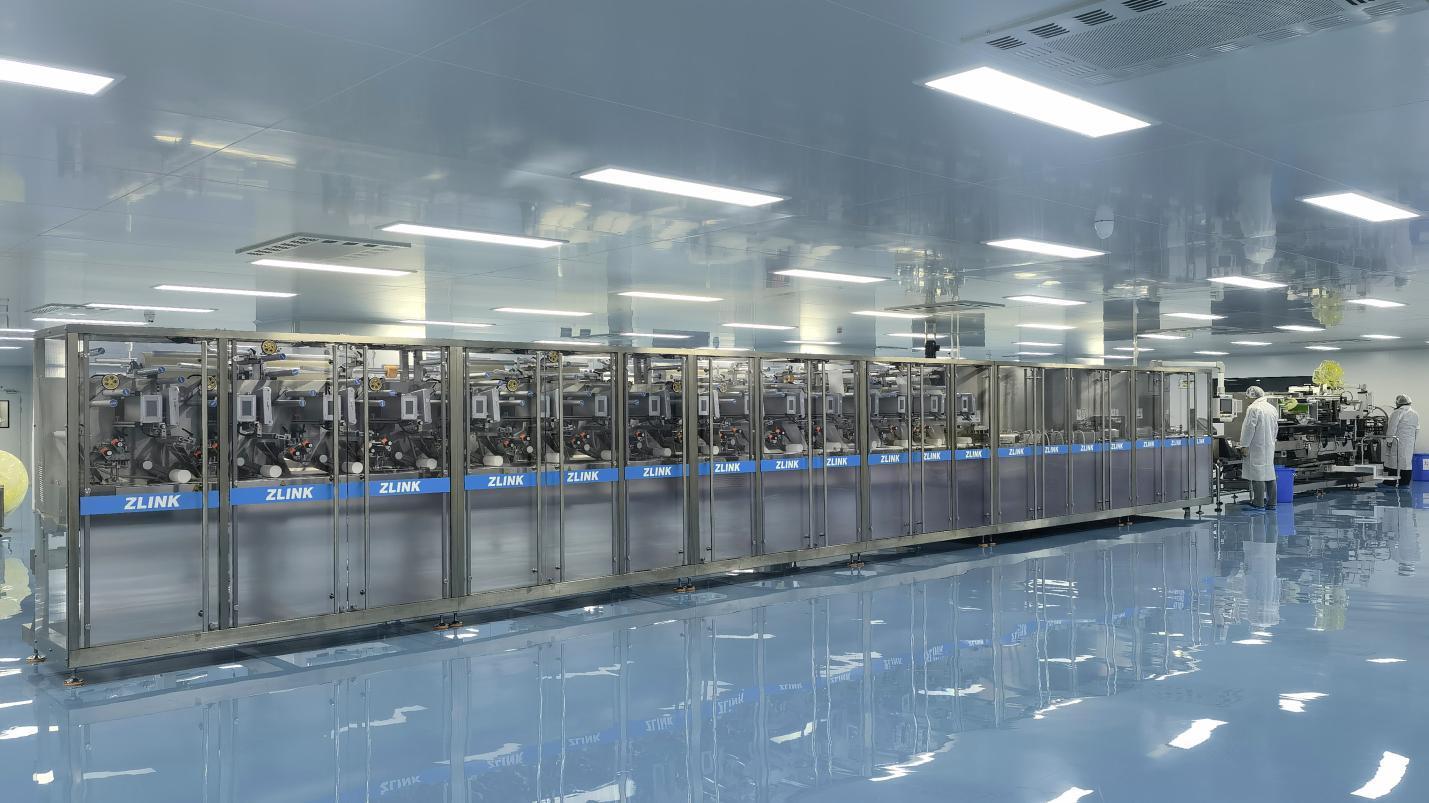
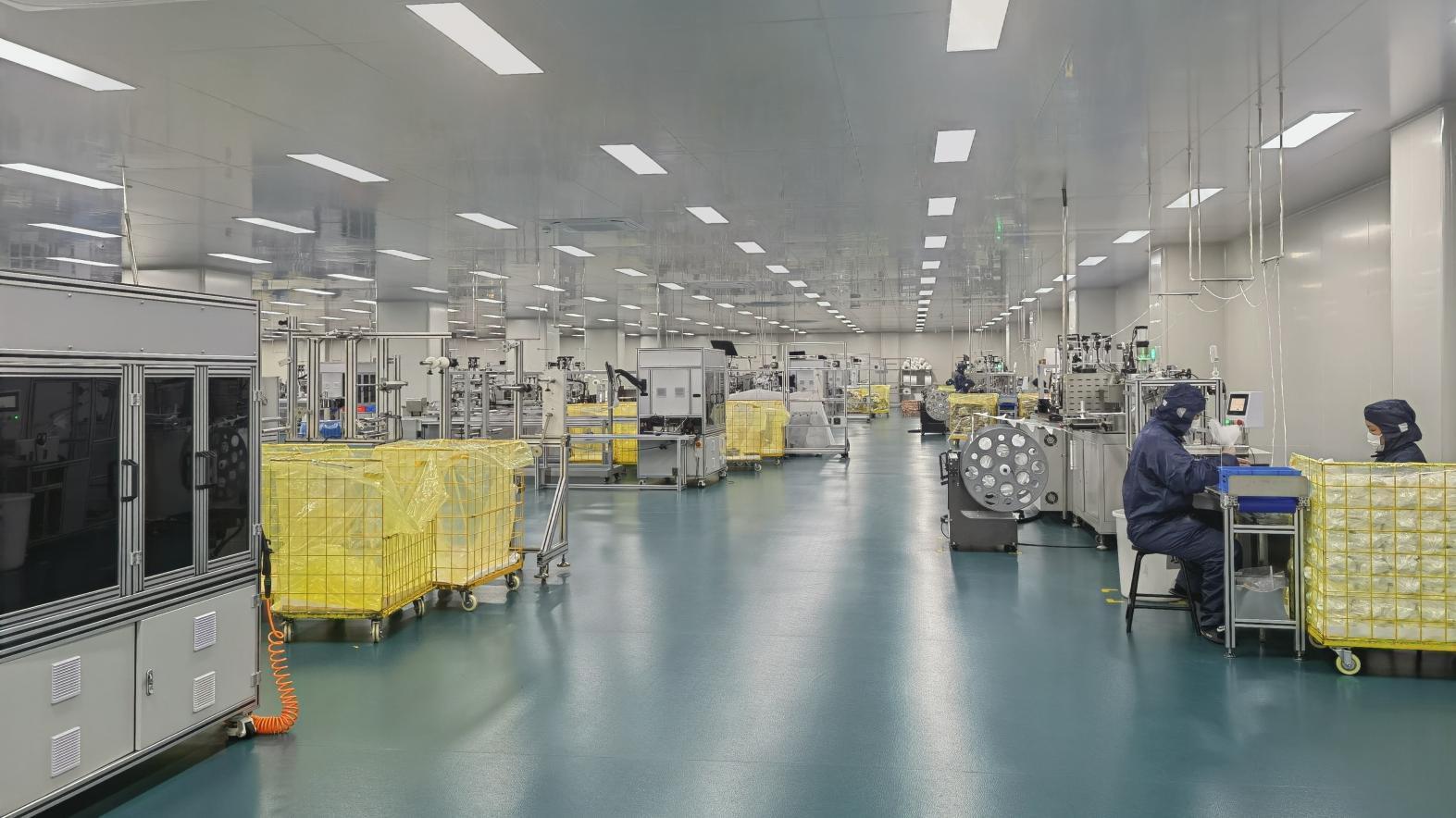
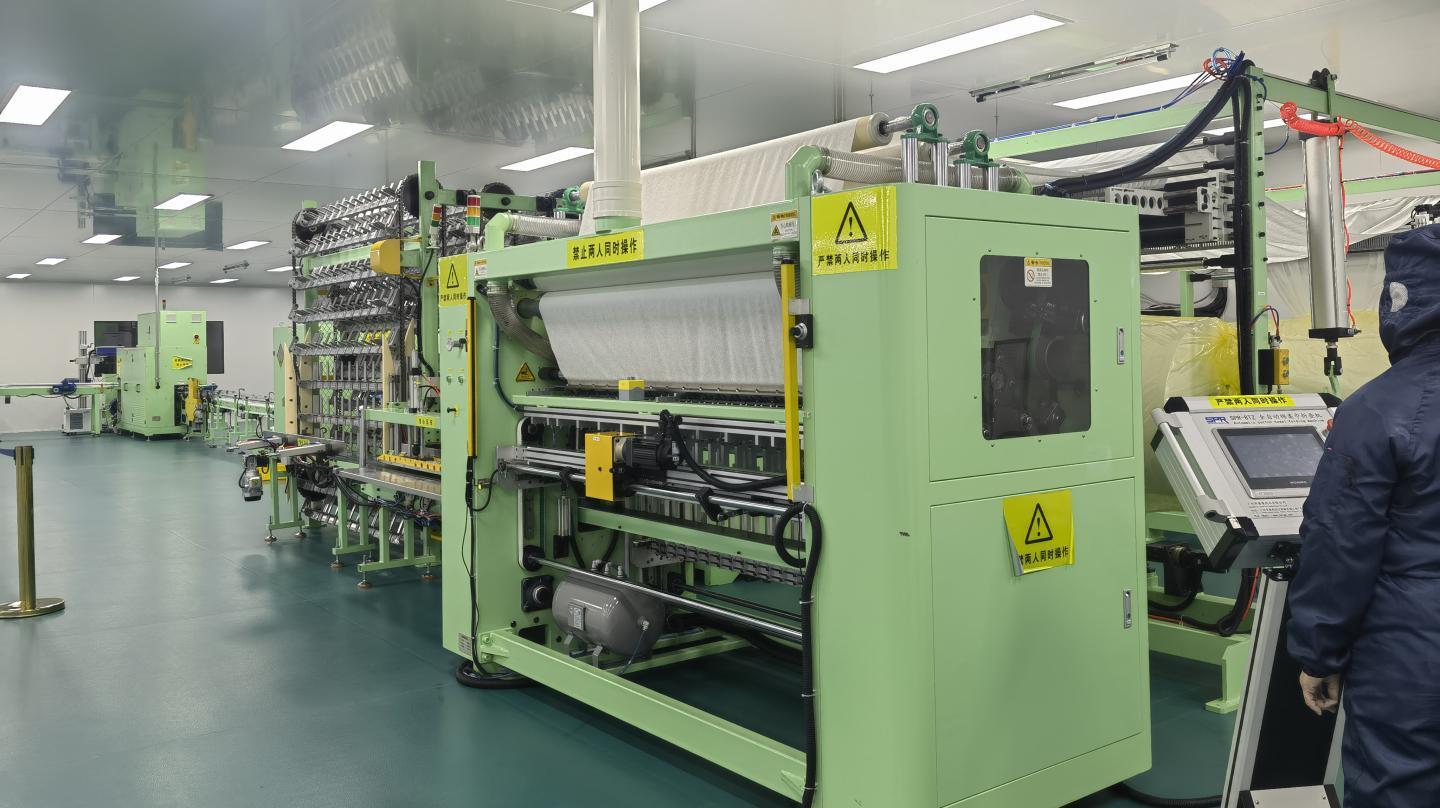
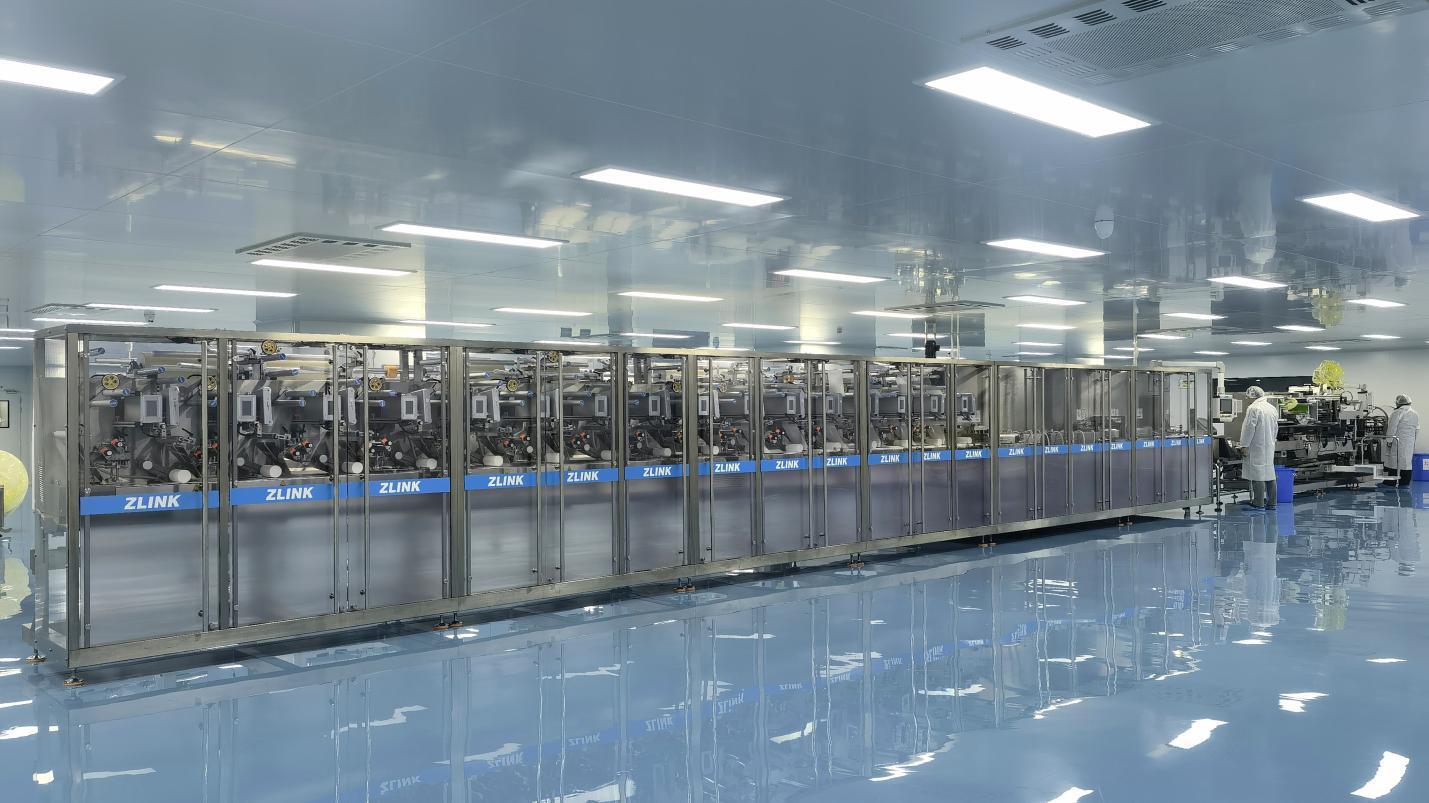
Our state-of-the-art production plant is equipped with 5 fully automatic mask production machines and 12 semi-automatic mask production machines, supported by an experienced production and technical service team. From raw material selection to final packaging, we strictly control every production process to ensure stable quality and reliable supply. Our products are widely exported to international markets, including the United States, Europe, Japan, Mexico, Germany, and the United Kingdom.
By implementing advanced melt-blown and active carbon filtration technology, our masks achieve up to 99% Bacterial Filtration Efficiency (BFE) and 99% Particle Filtration Efficiency (PFE), complying with stringent testing standards. DrSharpe's production processes conform to international benchmarks, backed by certifications such as CE, US FDA, and US EUA.
How Micro-Porous Carbon Structures Intercept Volatile Organic Compounds (VOCs), Chemical Odors, and Toxic Gaseous Pollutants.
Unlike standard particulate filters that rely on mechanical blocking, activated carbon layers utilize molecular physical adsorption. Gaseous pollutants, volatile organic solvents, and foul odors are drawn into the highly porous structure of the carbon media and trapped at a molecular level via intermolecular forces.
The efficiency of an activated carbon mask is defined by its iodine value (expressed in mg/g). Zhejiang DrSharpe Health utilizes high-activity coconut shell carbon or premium coal-based carbon with an iodine value exceeding 900-1000 mg/g, assuring an incredibly vast internal surface area for superior molecule retention.
A professional active carbon mask features a specialized structure combining spunbond non-woven fabric, electrostatically charged melt-blown filters, and a dedicated active carbon fiber or carbon powder layer. This synergy ensures PM2.5 particulate filtration alongside toxic vapor neutralization.
| Filter Layer Type | Material Composition | Primary Target Pollutants | Performance Standard Indicators |
|---|---|---|---|
| Outer Barrier Layer | Spunbond Polypropylene (25-35 gsm) | Large droplets, dust particles, water splash | Fluid Resistance (ASTM F2100 Level 3) |
| Electrostatic Meltblown Layer | Premium Polypropylene (25 gsm) | PM2.5, viruses, bacteria, micro-dust | BFE ≥ 99%, PFE ≥ 99% (EN 14683 Type IIR) |
| Activated Carbon Media | Impregnated Carbon Fabric / Carbon Felt | VOCs, organic vapors, H2S, SO2, welding fumes | Iodine Adsorption Value ≥ 950 mg/g |
| Inner Comfort Layer | Hypoallergenic Spunbond Non-Woven | Moisture from breath, friction-induced skin oil | Biocompatibility ISO 10993 compliant |
Why Procurement Directors Globally Source from Zhejiang's Industrial Clusters.
Zhejiang is the global hub for raw material synthesis, chemical processing, non-woven polymer extrusion, and automatic loop welding machinery. This industrial concentration reduces internal transportation costs to zero. Our raw material sourcing, from standard spunbond polypropylene to highly specialized electrostatic melt-blown fabrics, is completed within a 50km radius. This localized supply chain insulates our clients from international material shortages and guarantees an uninterrupted production flow.
Our production floor houses 5 fully automatic high-speed mask systems alongside 12 semi-automatic lines, driving high output rates. Automation eliminates human handling, thus minimizing contamination risks. By employing automatic vision inspection systems that scan loop attachments, nose bridge alignments, and surface uniformities at millisecond speeds, we maintain high compliance metrics. Our ISO 9001 and ISO 13485 certified quality management systems oversee every step, ensuring each batch meets rigorous standards.
Matching Activated Carbon Filtration to Critical Commercial and Industrial Environments.
In refining facilities, personnel are routinely exposed to trace amounts of volatile hydrocarbons, sour gases, and hydrogen sulfide. Activated carbon masks serve as a lightweight, preventative barrier for secondary workers, reducing long-term occupational respiratory issues in zones where full-face respirators are not mandatory.
Spraying primers and clear coats releases aerosolized paint droplets and organic solvents (like toluene and xylene). A multi-layer active carbon mask captures both physical mist particles through its melt-blown layer and adsorbs volatile chemical vapors through its integrated carbon media.
Metal welding releases hot, irritating fumes consisting of iron oxide, manganese, and ozone. Standard particulate masks do not address the sharp odor of ozone. Incorporating an activated carbon layer neutralizes this gas, keeping industrial welders comfortable over long shifts.
Managing domestic and industrial organic waste generates unpleasant vapors containing sulfur compounds and ammonia. Zhejiang DrSharpe's activated carbon layers neutralize these foul smells, improving working conditions for sanitary and municipal service teams.
Wildfire smoke contains fine particulate matter (PM2.5) and toxic gases like carbon monoxide and formaldehyde. Standard masks block the dust, but not the harmful gases. Our active carbon masks are designed to capture both, providing safer protection during air pollution crises.
Medical lab technicians working with formaldehyde, histology reagents, and biological tissue fixatives require protection from lingering chemical fumes. A fluid-resistant Type IIR active carbon mask provides a dependable barrier against chemical splashes and airborne hazards.
A Comprehensive Framework for Quality Assurance, Regulatory Alignment, and Risk Mitigation.
Procurement teams from multinational corporations, health authorities, and industrial distributors require rigorous supplier vetting. Below is a strategic sourcing blueprint for activated carbon protective masks:
Take a Look at Our Cleanrooms, High-Speed Automation, Testing Areas, and Packing Processes.
Insights into the Next Generation of Bio-Safety, Eco-Friendly Materials, and Smart Protection.
Environmental regulations are pushing the industry toward green alternatives. The development of PLA (Polylactic Acid) non-woven outer shells and plant-derived activated carbon filters (from agricultural residues like coconut shells and bamboo) will replace fossil-fuel plastics, dramatically reducing the long-term carbon footprint of single-use masks.
Traditionally, adding an active carbon layer increases breathing resistance (pressure drop). Future developments focus on electrospun nanofiber membranes embedded with carbon particles. This technique yields a thinner filter profile, achieving high particulate capture and vapor adsorption with lower inhalation resistance.
A key limitation of carbon masks is knowing when the carbon layer is saturated and no longer capturing gases. Research is underway on colorimetric chemical sensors embedded in the carbon felt. These sensors change color when the carbon reaches capacity, providing clear visual cues for timely mask replacement.
Clear, Technical Answers for Commercial Buyers, Quality Managers, and Compliance Teams.
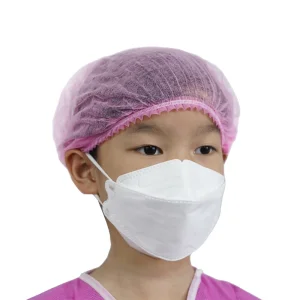
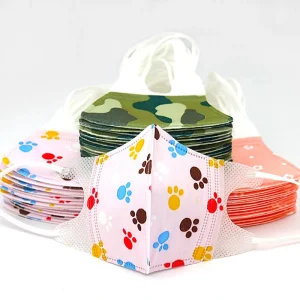
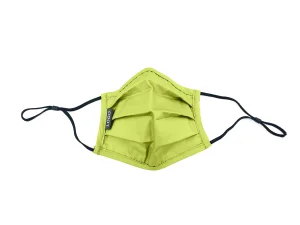
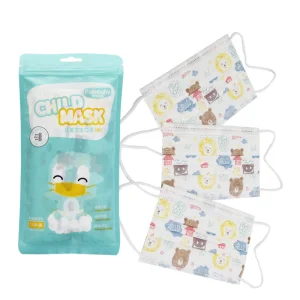
Explore Our Range of High-Efficiency Protective Gear Designed for Pediatric Safety, Daily Commuting, and Specialized Medical Care.