DrSharpe Health
DrSharpe Health
DrSharpe Health
Explore our certified medical protection products engineered to supplement clinical diagnostics, patient safety, and sterile cleanroom requirements worldwide.
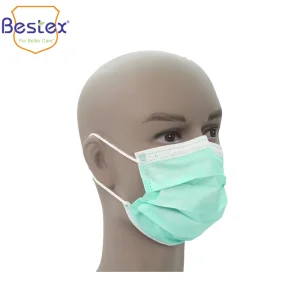
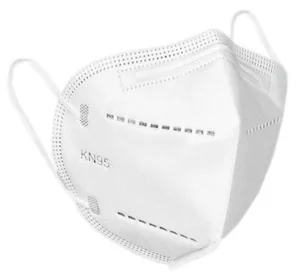
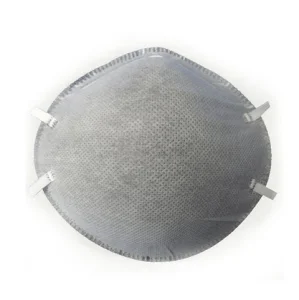

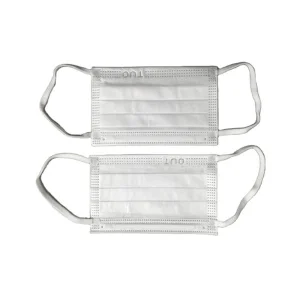
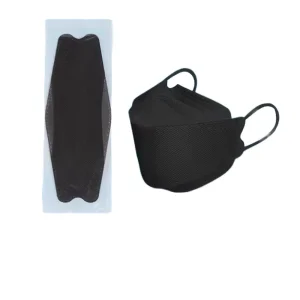
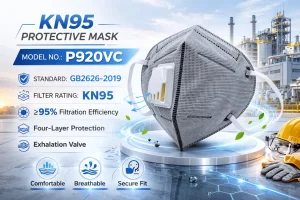
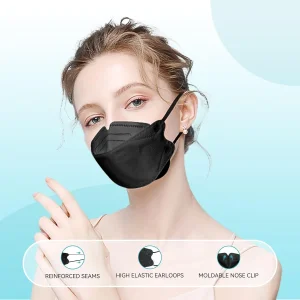
In the modern healthcare procurement paradigm, the integration of temperature monitoring instruments (Termómetros de Cuerpo) and high-efficiency respiratory protection devices has transitioned from simple commodity sourcing to a complex, multi-layered regulatory and quality assurance challenge.
Global medical buyers look past superficial cost savings. They prioritize manufacturers capable of establishing a total biosafety infrastructure. By integrating medical thermometry and personal protective equipment (PPE) like FDA/CE-registered masks, companies like Zhejiang DrSharpe Health Co., Ltd. serve as a premier strategic partner. They provide supply chain continuity during global health disruptions, maintain cleanroom production integrity, and execute strict compliance procedures required for public health frameworks.
As medical diagnostics shift toward non-invasive, smart-integrated solutions, the technology underpinning body thermometers has evolved rapidly. Below is a comprehensive look at the current technological milestones and future directions of high-precision thermometry.
Traditional single-channel thermopiles are prone to environmental drift. Modern medical-grade infrared body thermometers now utilize multispectral sensing arrays. These arrays isolate ambient radiation, target the peak infrared emission spectrum of human skin (typically 8–14 microns), and correct for humidity. This ensures a consistent precision limit of ±0.2°C (±0.4°F) within clinical environments.
The core software of advanced non-contact infrared thermometers (NCITs) uses dynamic calibration curves. These curves adapt to the subject's distance from the lens, skin pigmentation variations, and local temperature fluctuations. By using microcontrollers (MCUs) running real-time thermal compensation, our devices run multiple mathematical algorithms. They map measured heat to actual core body temperatures in under 500 milliseconds.
The next generation of clinical termómetros de cuerpo will incorporate Bluetooth Low Energy (BLE), Wi-Fi, and NFC protocols. These technologies allow automated patient record logging. By pairing thermometer scans with hospital EHR (Electronic Health Record) databases, medical facilities can automatically monitor fever outbreaks, track patient trends, and eliminate human typing errors.
B2B procurement of diagnostic and biosafety systems requires strict adherence to institutional standards. Different sectors require specific configurations to balance patient safety, workflow efficiency, and compliance.
| Application Sector | Primary Sourcing Product | Critical Technical Parameters | Regulatory Benchmarks |
|---|---|---|---|
| Hospitals & Clinical Wards | Clinical Contact/Non-Contact Thermometers, Level 3 Surgical Masks | ±0.2°C accuracy, dual-sensor system, BFE/PFE ≥ 99%, fluid resistance | FDA 510(k), CE MDR Class IIa, EN 14683 Type IIR |
| Public Health & Transit Hubs | High-throughput Infrared Scanners, N95/FFP2 Respirators | Sub-second detection, multi-person scanning, particle filtration ≥ 95% | NIOSH N95, EN 149 FFP2, ASTM E1965-98 |
| Educational Institutions & Corporate | Handheld NCITs, Daily Disposable Protective Masks | Simple UI, long battery life, lightweight design, BFE ≥ 95% | CE EN 149, GB/T 32610 |
| Industrial Cleanrooms & Labs | Integrated Temperature Monitoring & Sterile Protective Gear | Chemical resistance, non-contact operations, low-linting fabrics | ISO Class 5-8 compatible, CE Category III PPE |
A common failure in cheap infrared thermometers is thermal drift, where the sensor accuracy degrades as the room temperature shifts. Quality-centric manufacturers build built-in reference cavities (blackbody micro-structures). These cavities regularly calibrate the thermopile sensor. This structural control preserves medical diagnostic validity in varying climates, from chilly northern hospitals to tropical clinics.
Any medical device contacting or coming close to patient skin must satisfy biocompatibility requirements. High-grade termómetros de cuerpo feature medical-grade ABS housings. These housings resist yellowing, cracking, and degradation when cleaned with harsh hospital disinfectants, such as 70% Isopropyl Alcohol or chlorine-active compounds.
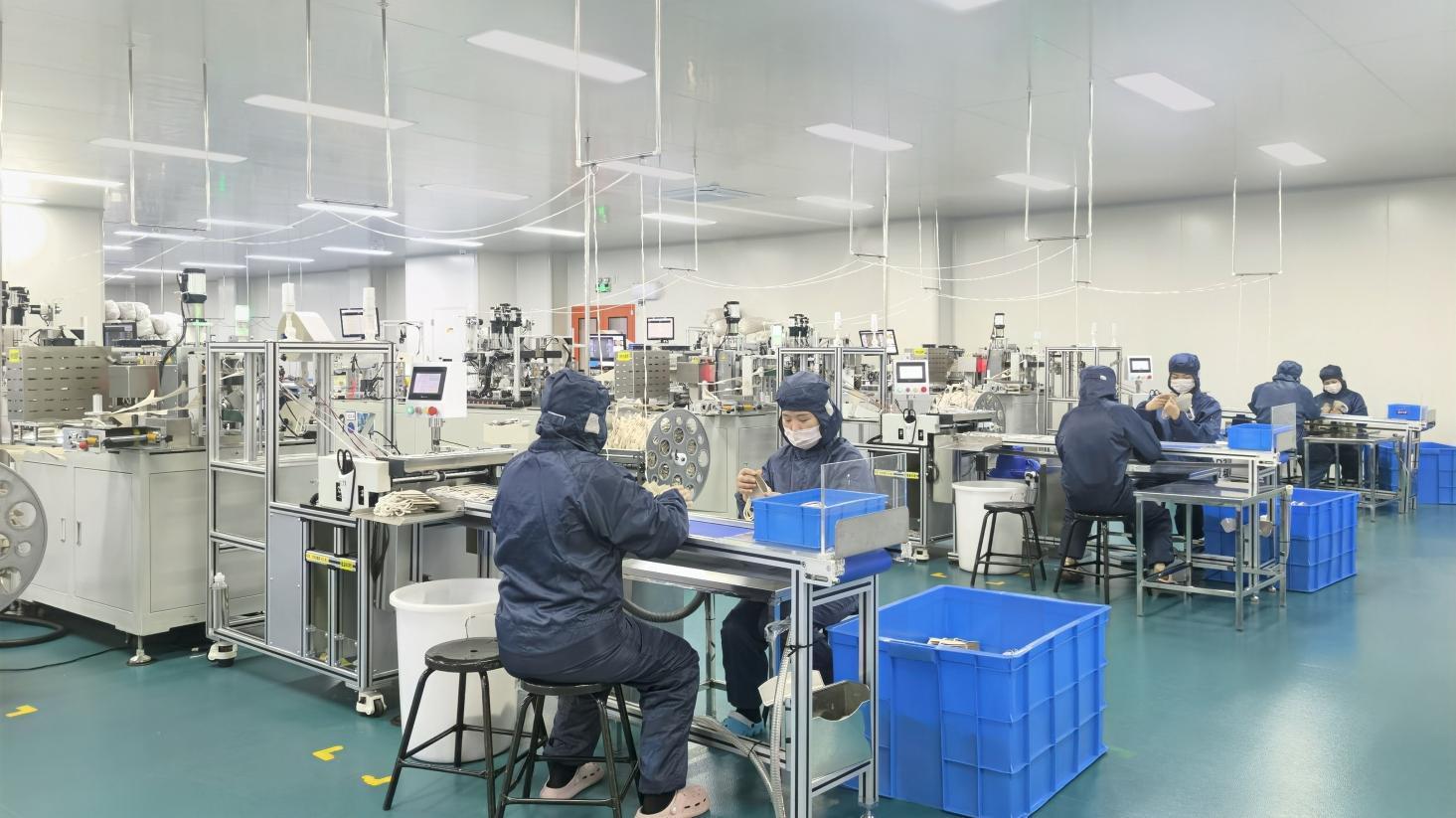
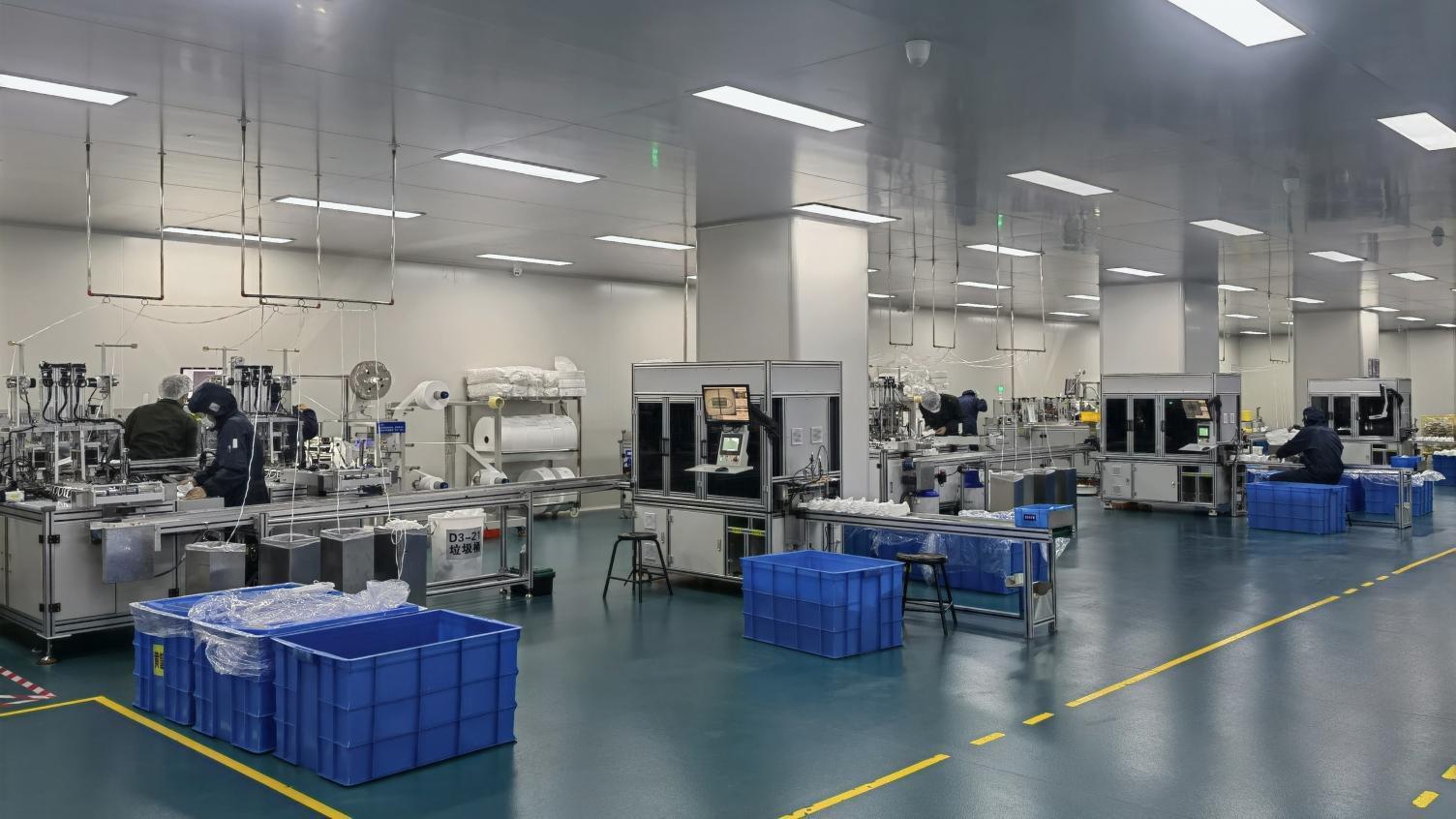
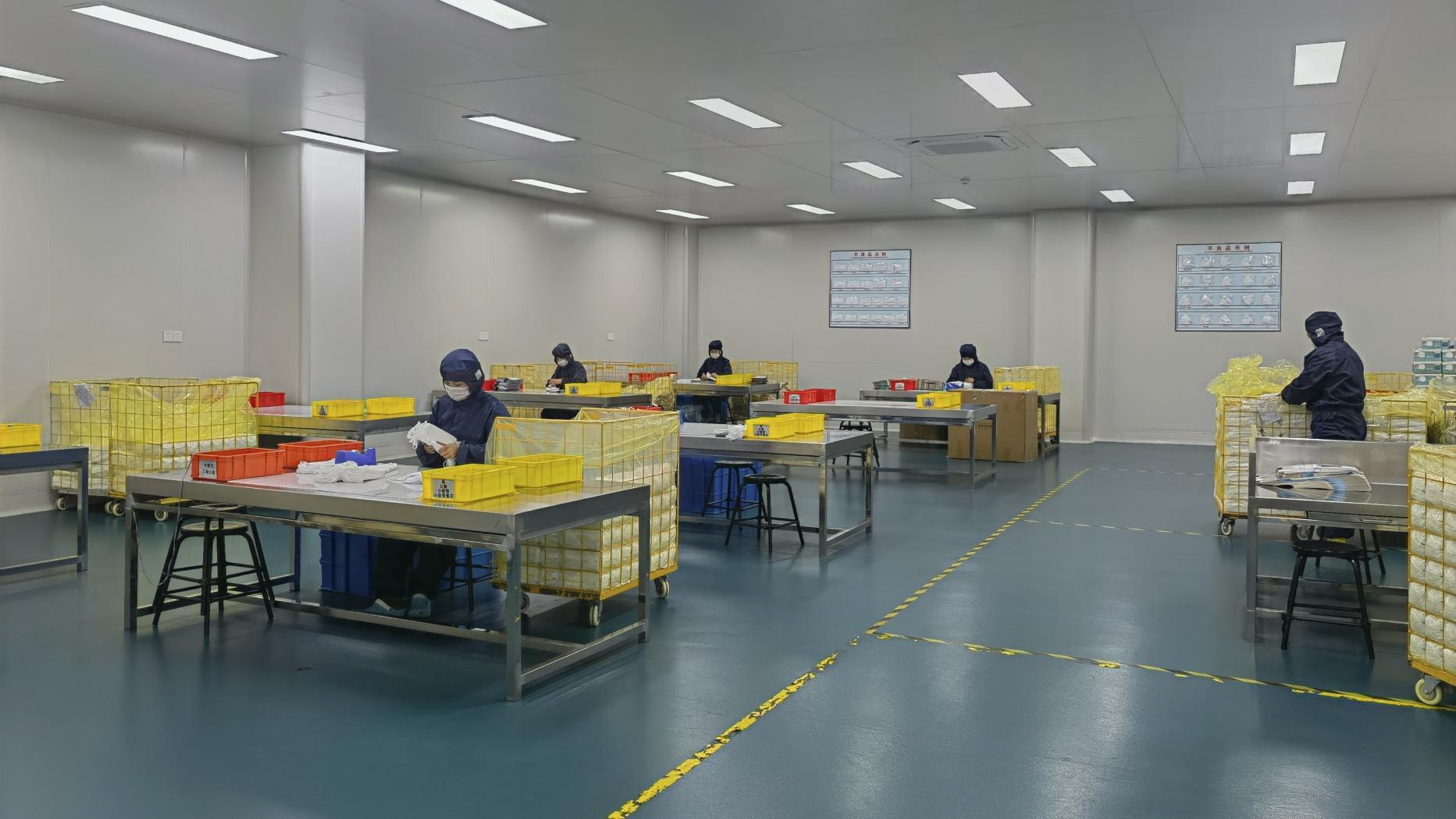
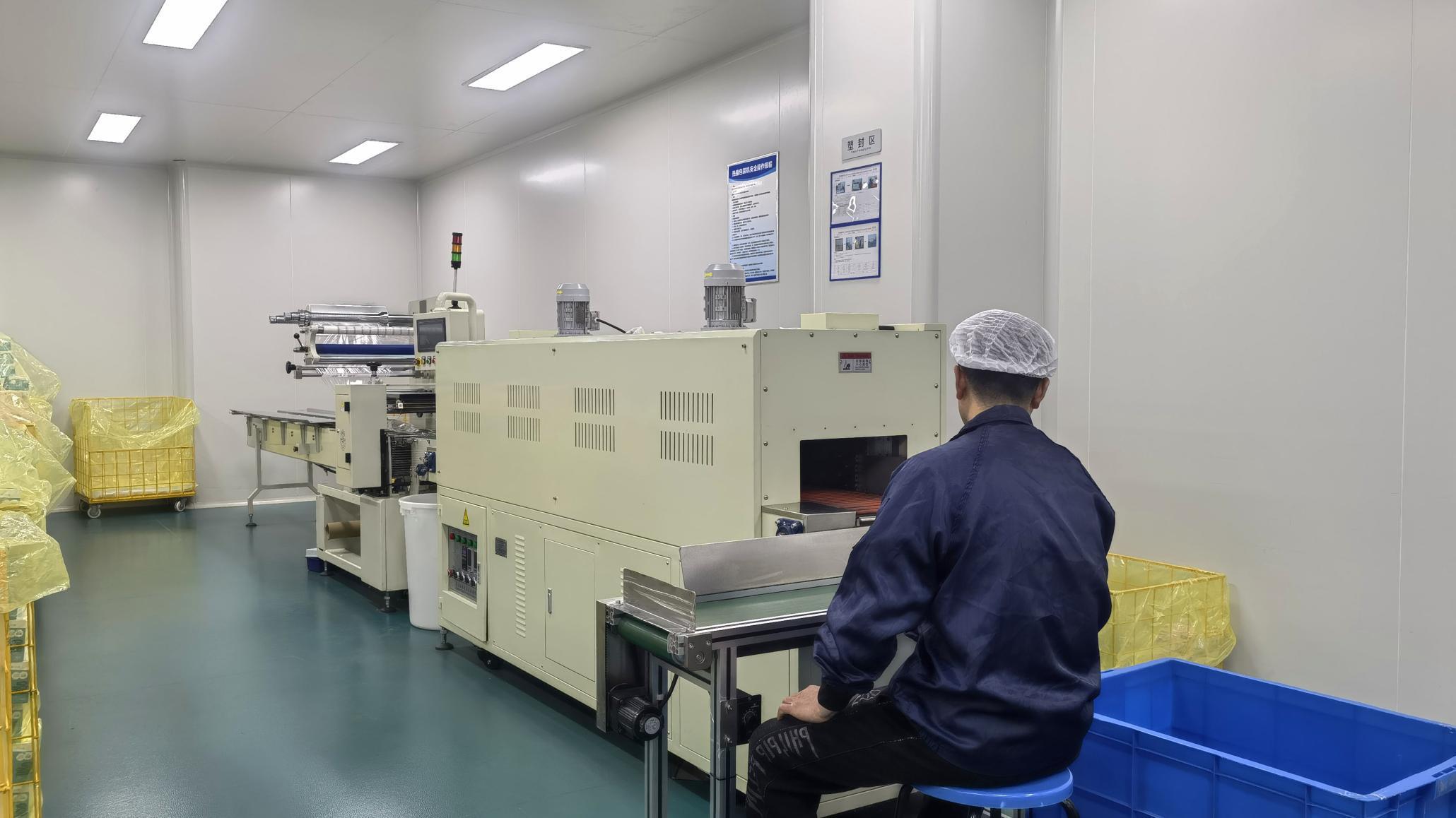
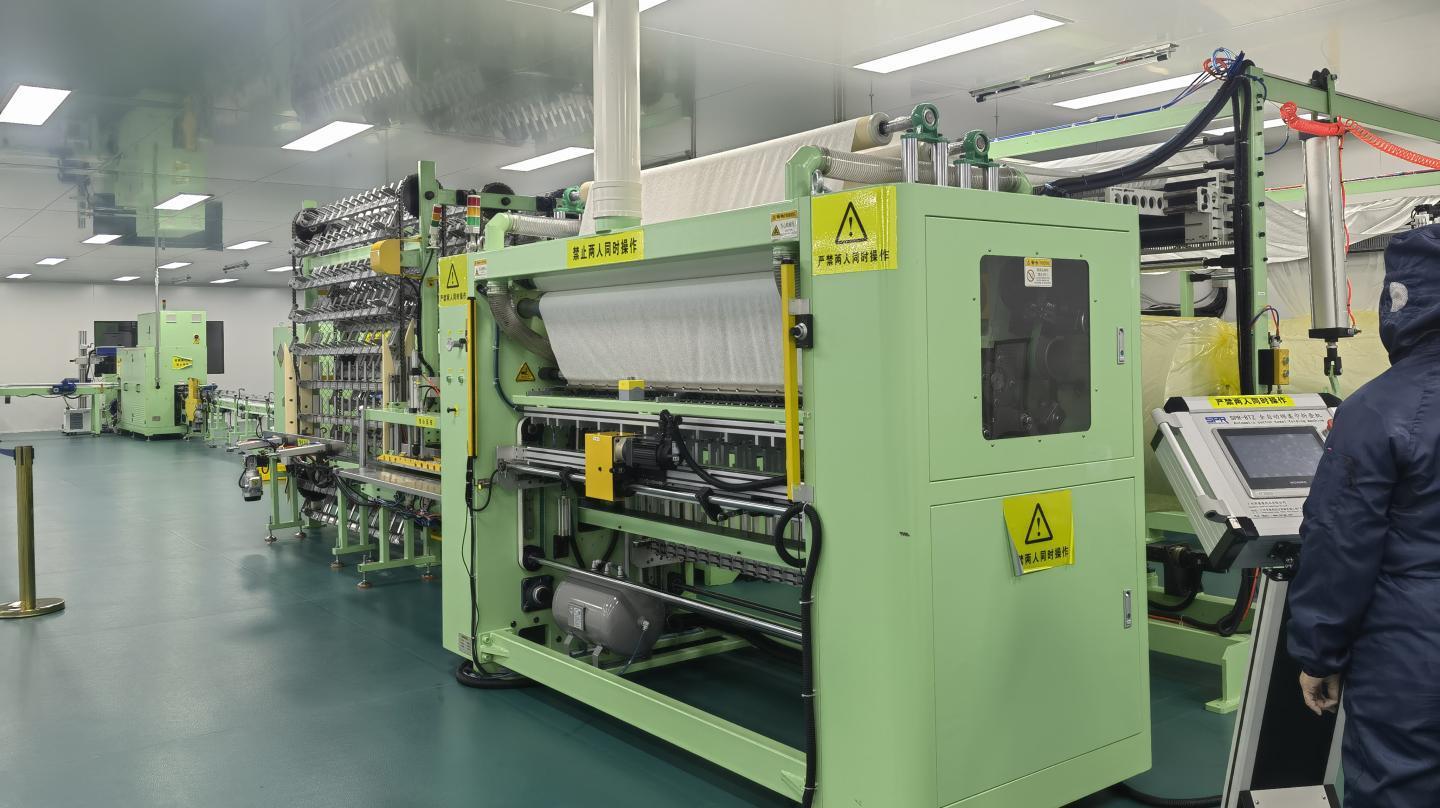
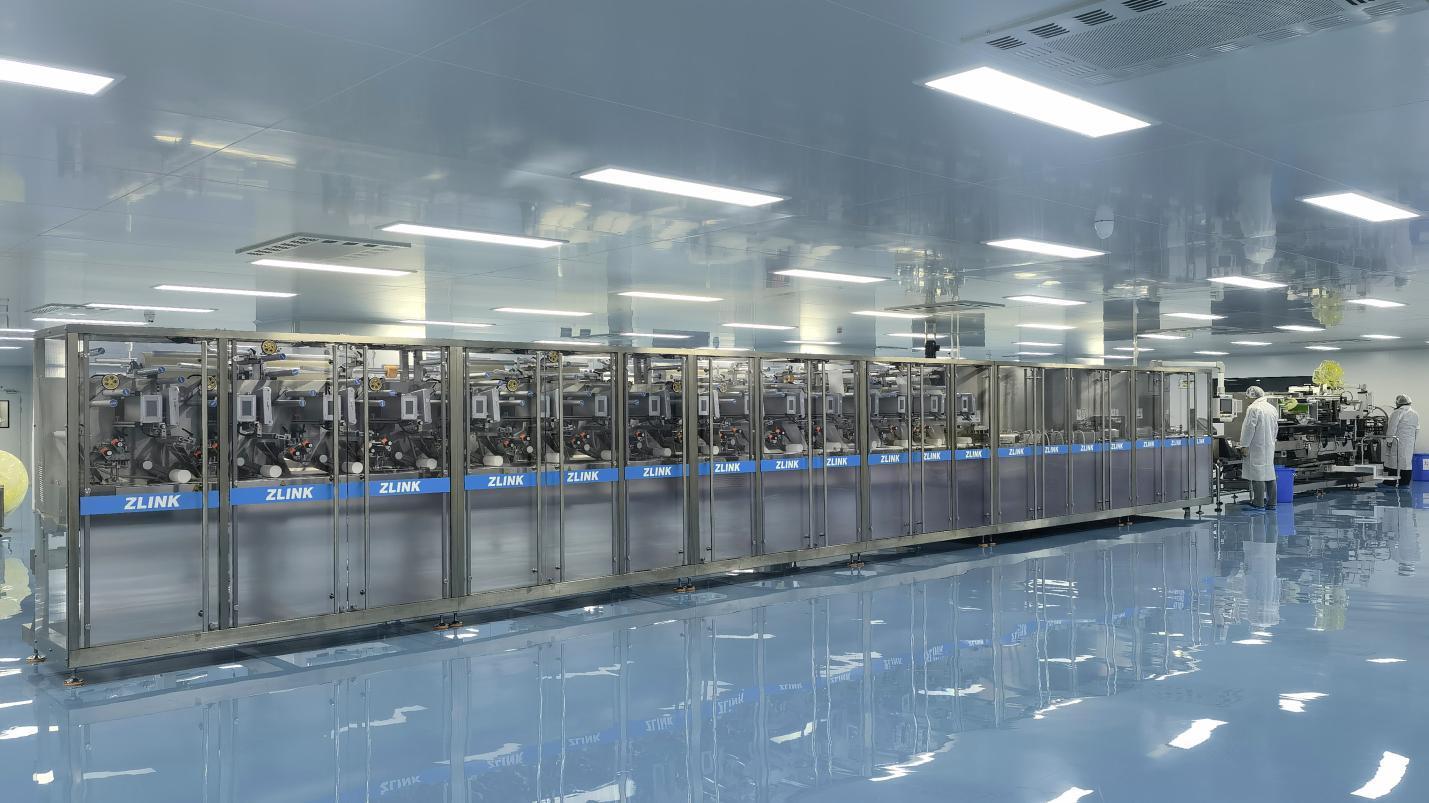
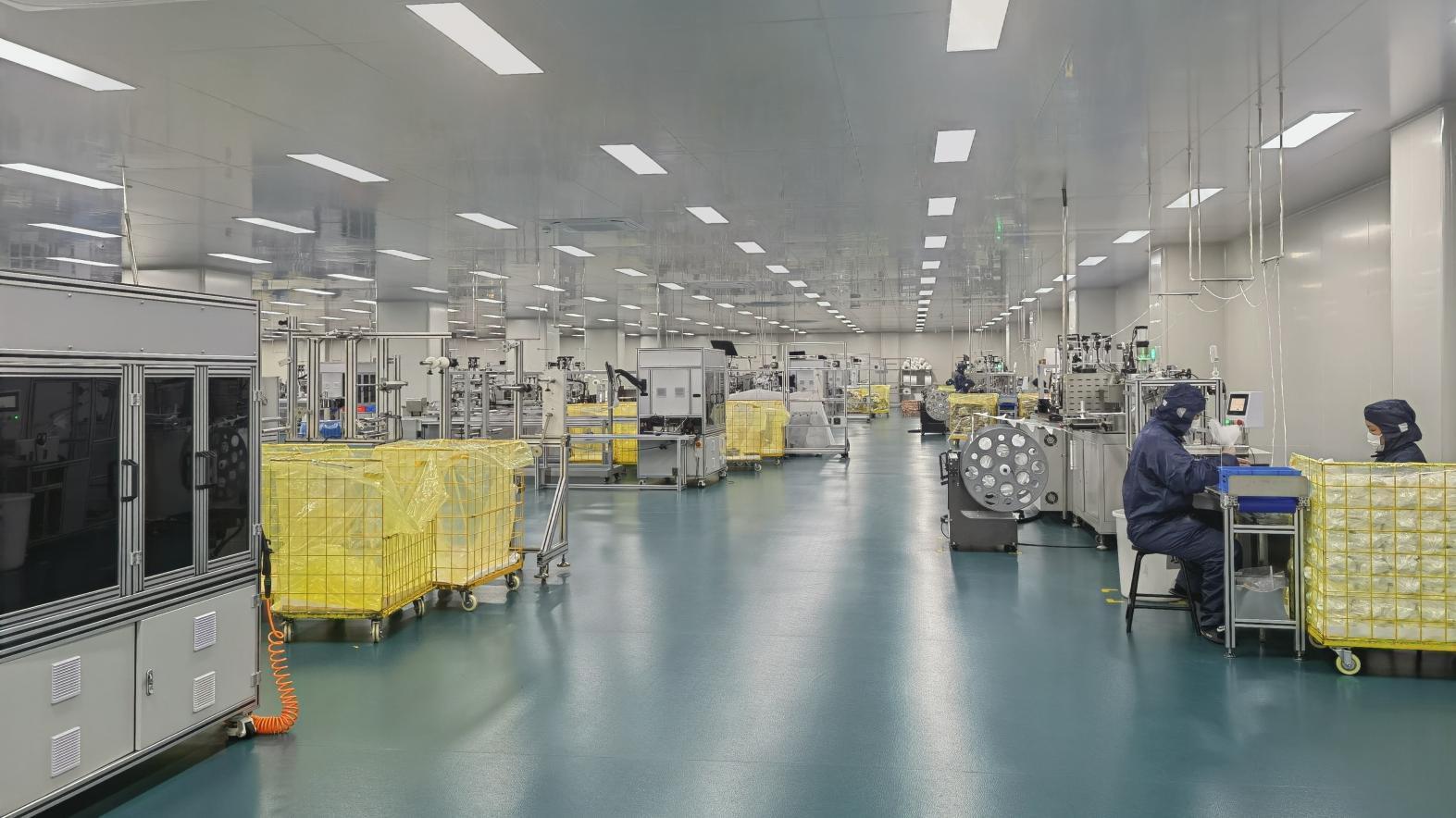
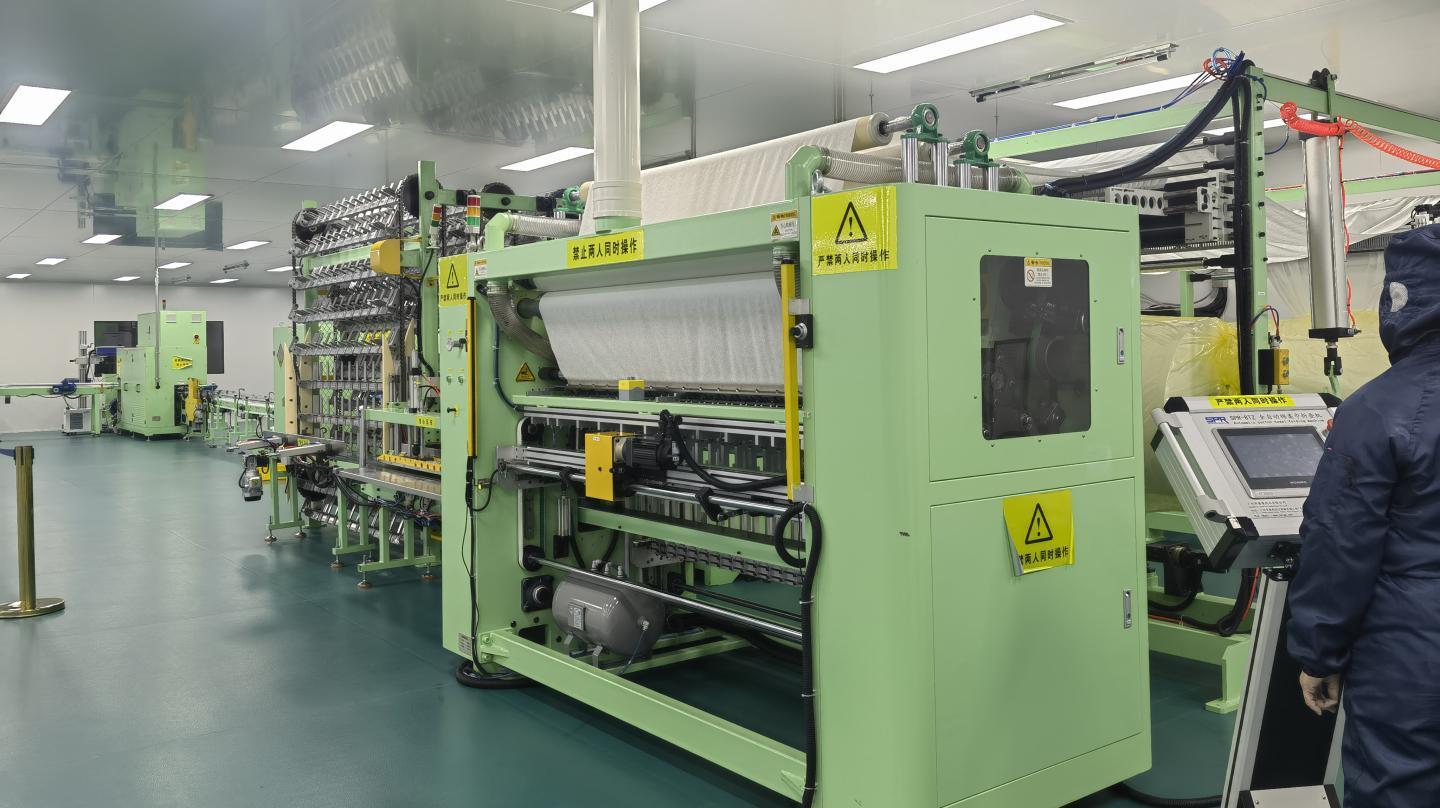
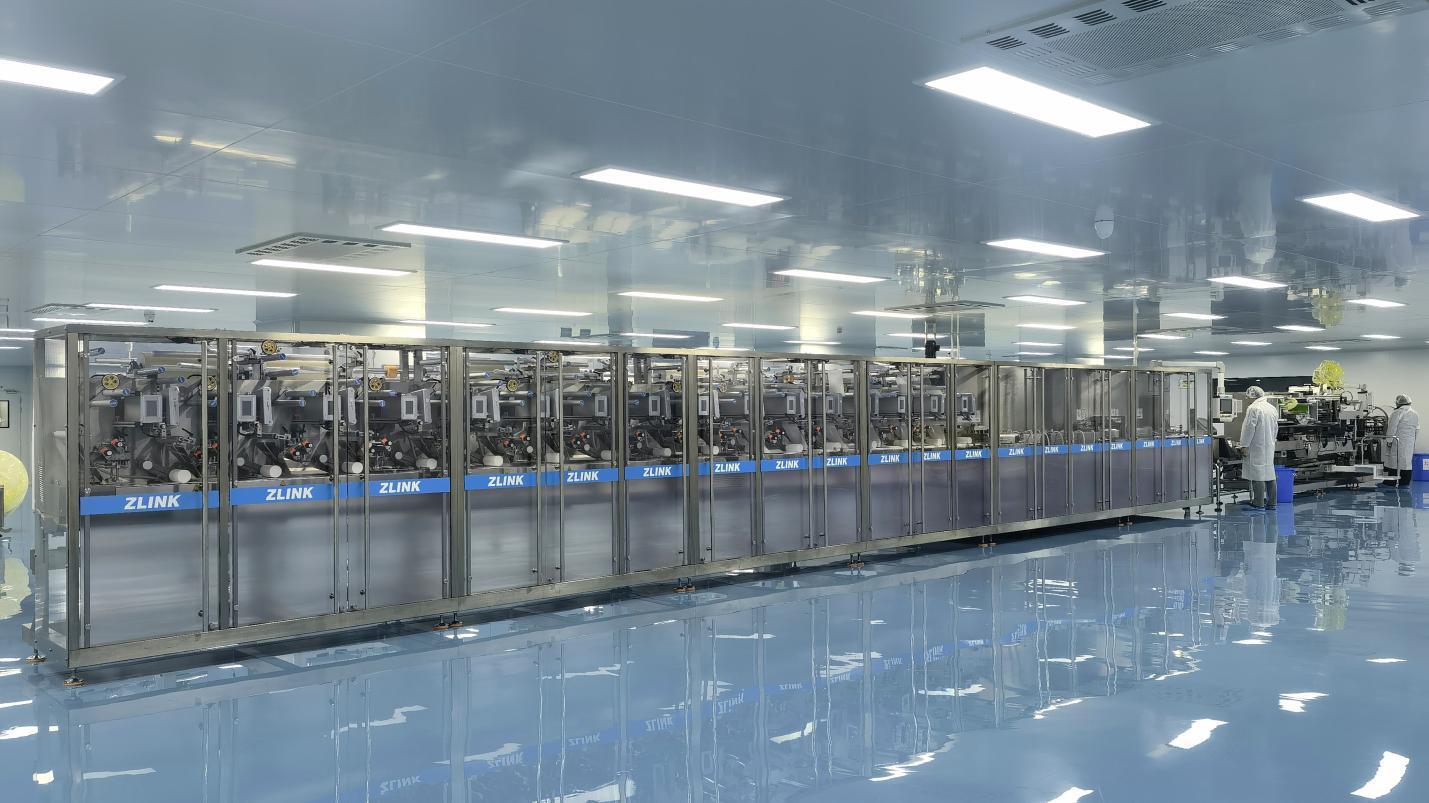
The production of reliable clinical thermometers and advanced personal protective equipment requires modern automated facilities, reliable supply lines, and strict quality control.
Our facility runs 5 fully automatic production machines and 12 semi-automatic production machines. Automation minimizes human error and contamination risk, securing a reliable supply of medical protection materials during demand spikes.
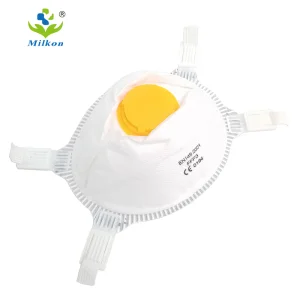
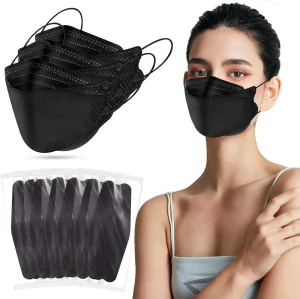
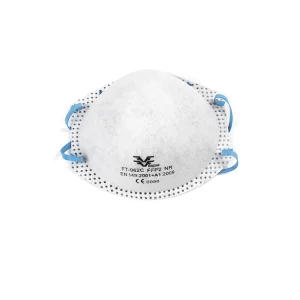
By sourcing premium melt-blown nonwoven fabrics and high-performance thermopile chips, our protective face masks achieve up to 99% Bacterial Filtration Efficiency (BFE) and 99% Particle Filtration Efficiency (PFE). They offer reliable defense without sacrificing user breathability.
Through robust logistics networks and customs clearances, our products are exported to key markets. These include the United States, Europe, Japan, Mexico, Germany, and the United Kingdom. This demonstrates our capacity to navigate diverse global trade requirements.
Navigating regional public health regulations is critical to avoid shipments being held at customs, product recalls, or non-compliance penalties.
Our manufacturing workflow complies with international medical standard requirements:
To support overseas partners, we offer comprehensive localized services:
Get clarification on critical technical questions regarding calibration, compliance, orders, and logistics.
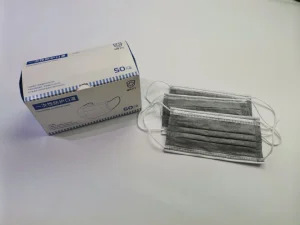
Verify technical certifications and detailed descriptions for our high-filtration protection range below.