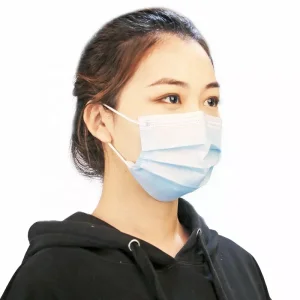
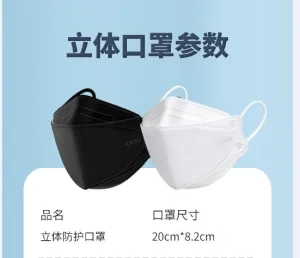
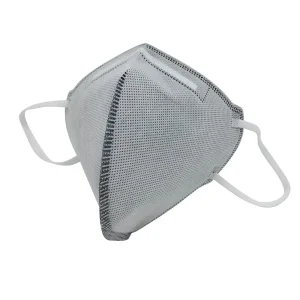
DrSharpe Health DrSharpe Health

Top Trusted Non-Woven Face Mask Manufacturers & Exporter

Providing Medical-Grade Filtration Efficiency, Globally Certified Protective Solutions, and Sustainable Supply Chain Integrity for Enterprise Logistics.

Technical Authority & Corporate Integrity: Zhejiang DrSharpe

99%
BFE & PFE Filtration Efficiency
17+
Advanced Production Lines
3+
Global Medical Certifications
50+
Export Destination Countries
As the modern healthcare landscape demands higher thresholds of biosecurity and environmental safety, sourcing premium personal protective equipment (PPE) has evolved from simple transaction-based procurement into complex risk mitigation management. Zhejiang DrSharpe Health Co., Ltd. stands at the forefront of this industrial transition. Operating as an elite-tier designer, manufacturer, and international exporter of technical non-woven face masks, dry wipes, and wet sanitizing tissues, the company establishes new benchmarks in high-volume, compliant safety supply.
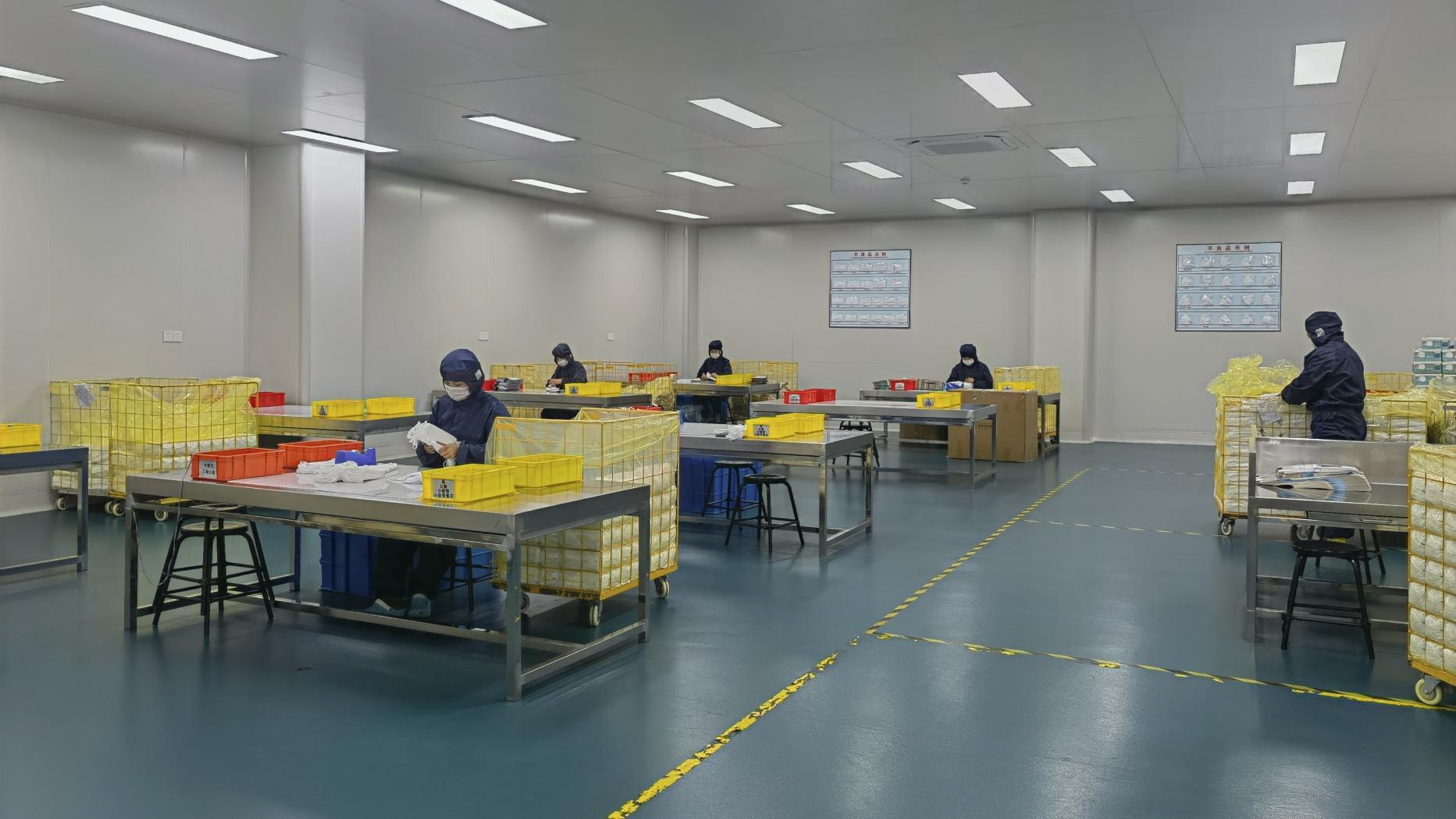
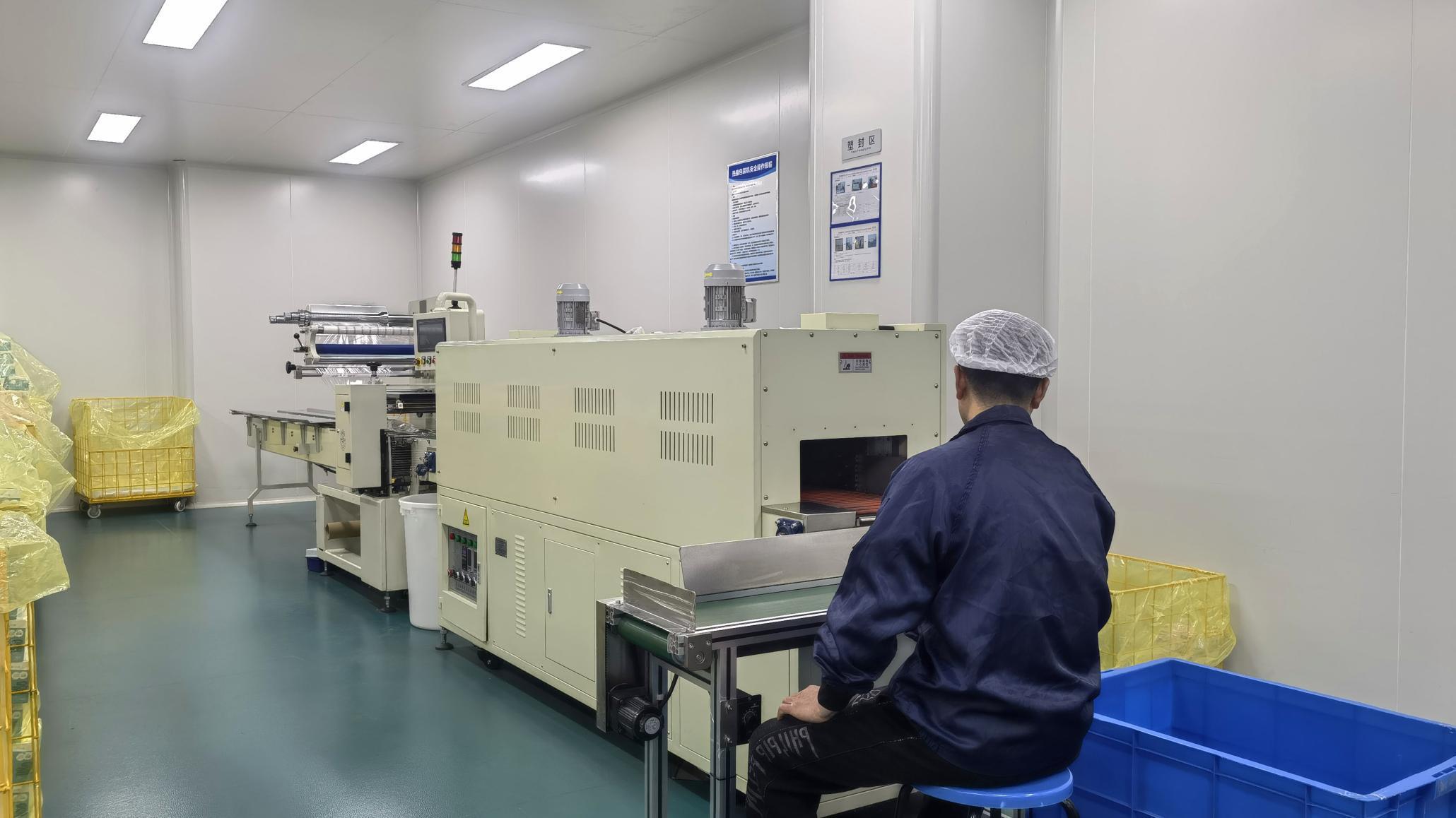
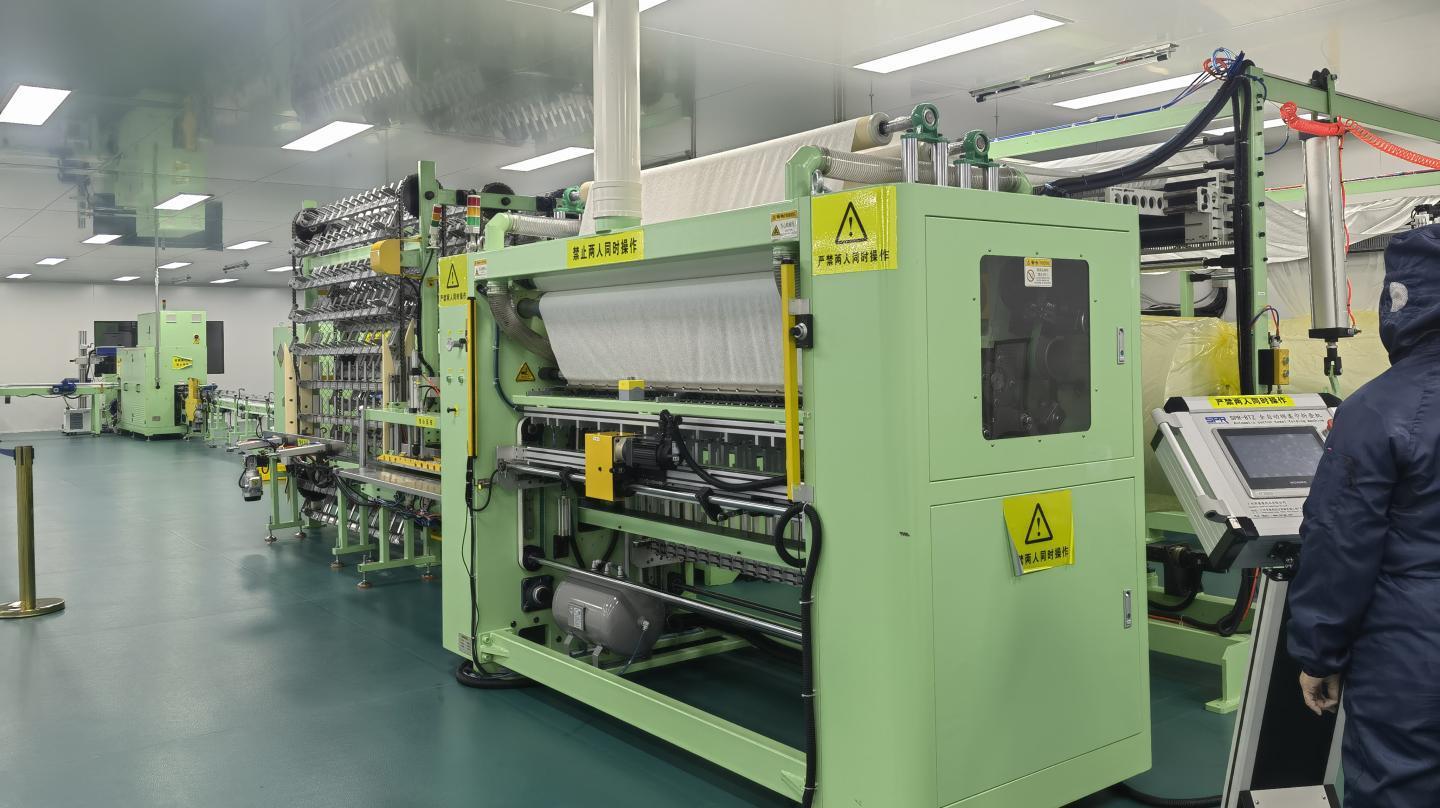
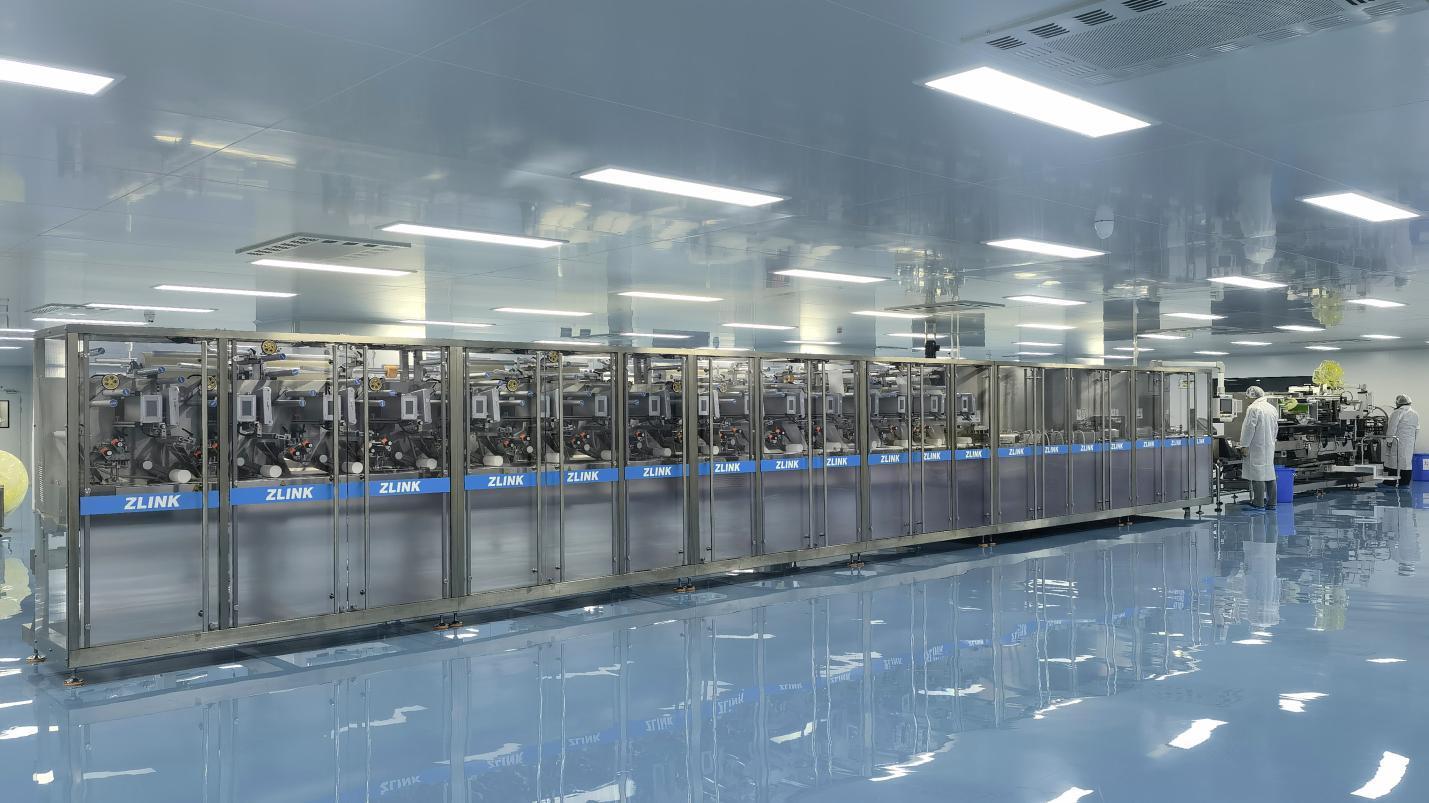
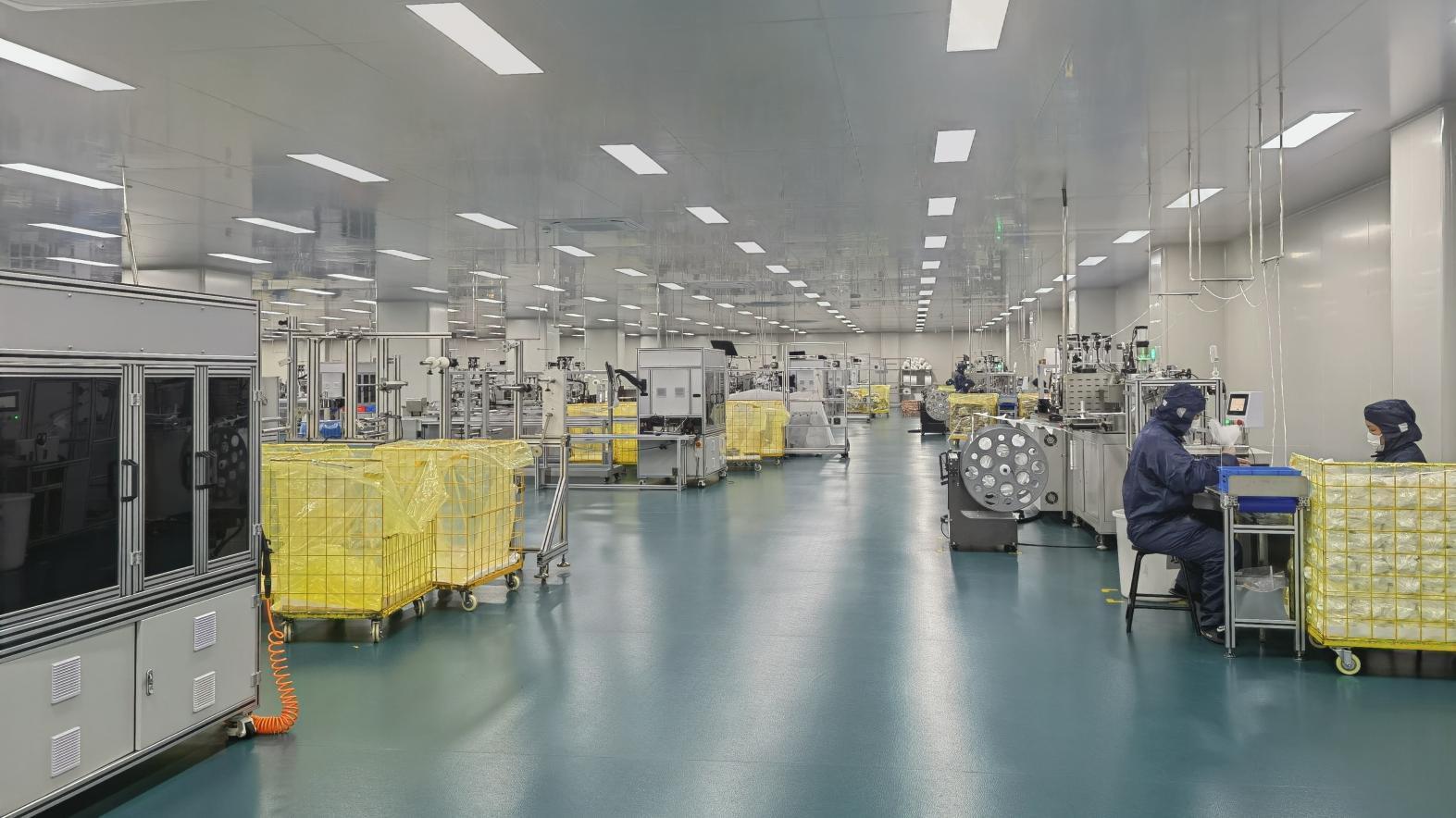
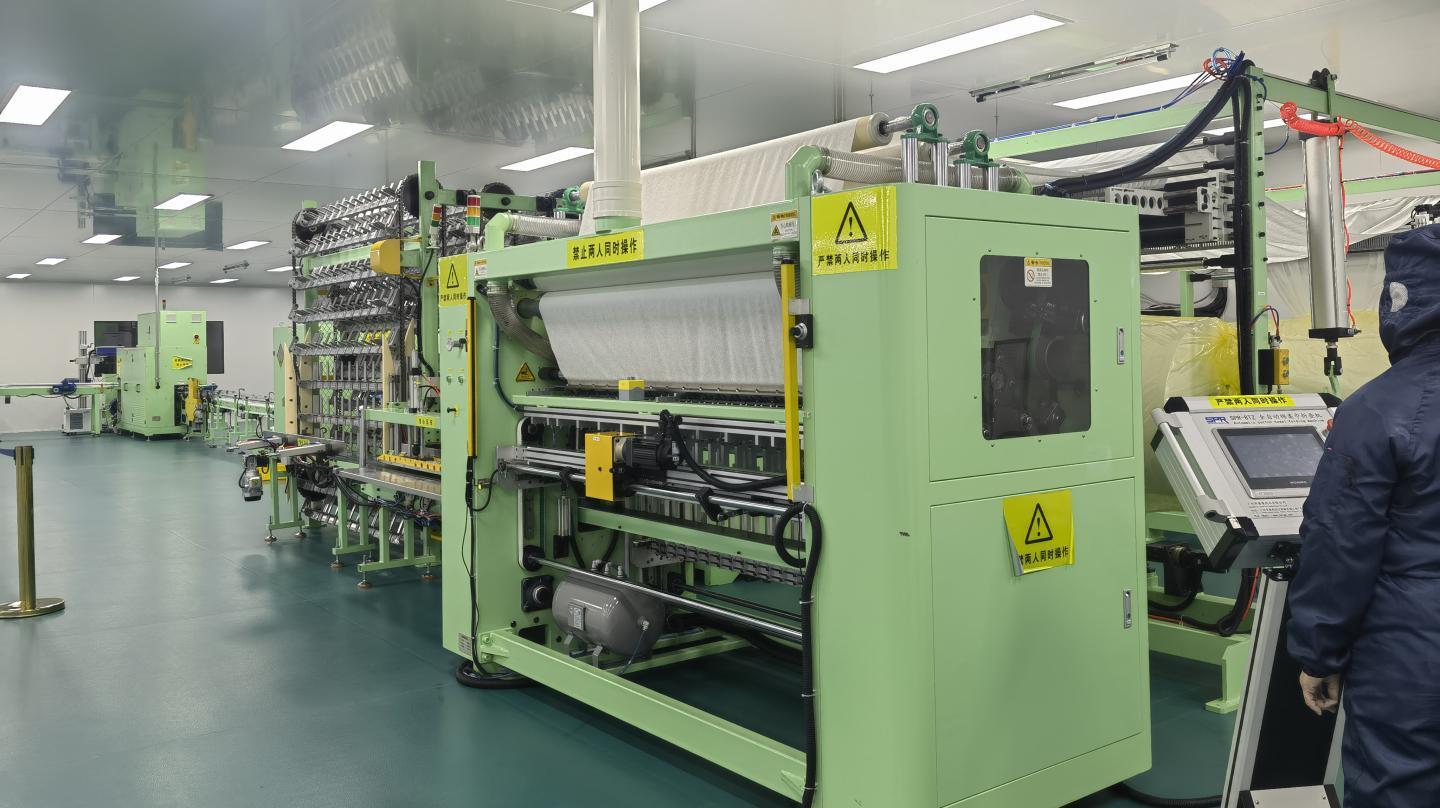
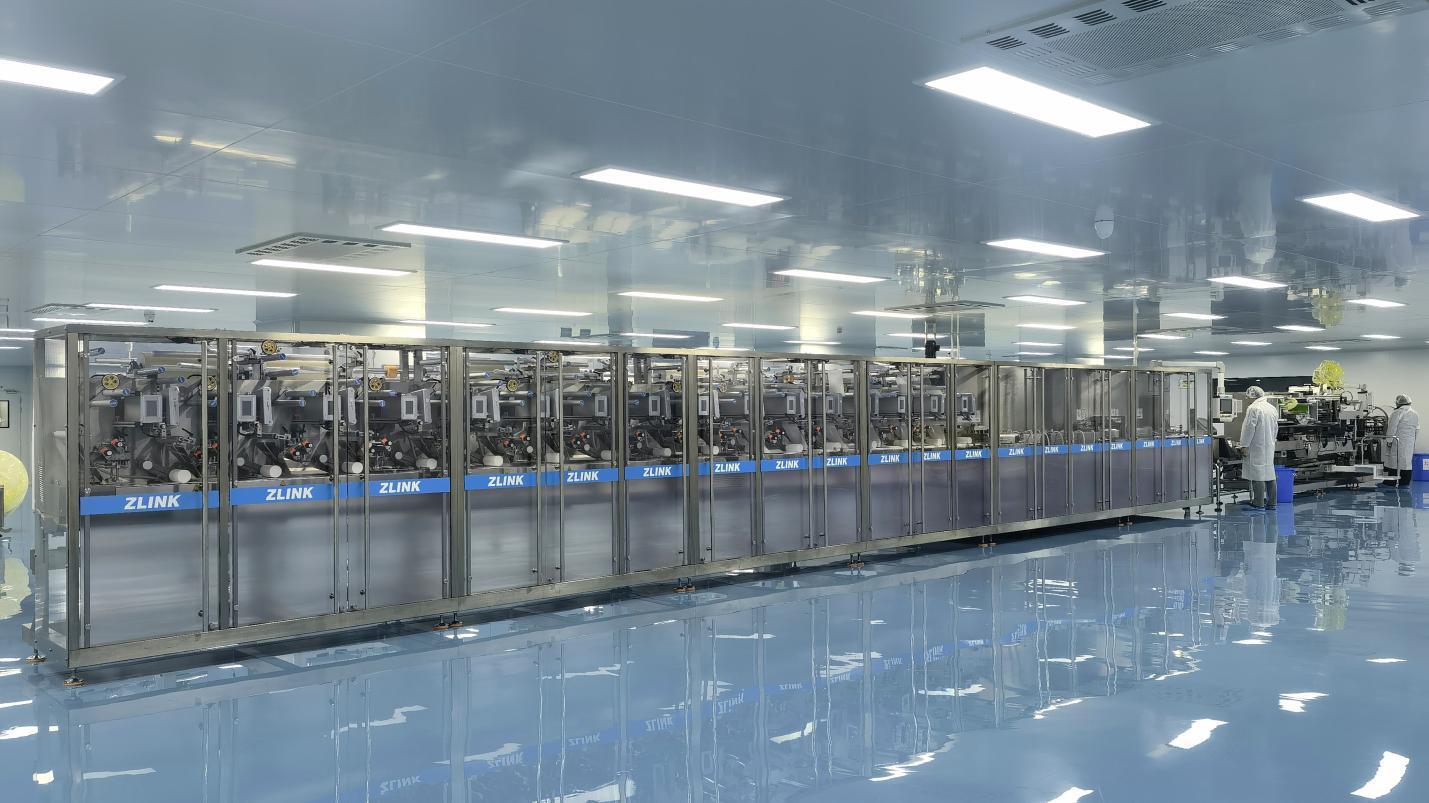
Our operational facilities are strategically engineered to fulfill the requirements of international medical buyers, governmental health departments, and global retail distributors. Operating 5 fully automatic and 12 semi-automatic specialized production lines, DrSharpe ensures continuous supply chain elasticity. By controlling the entire processing spectrum—from raw polypropylene polymer extrusion and melt-blown nonwoven web formation to precise ultrasonic earloop welding and individual sterilization packaging—we provide our partners with unmatched consistency in product quality, lead times, and compliance traceability.

The Engineering Behind Non-Woven Filtration Technologies

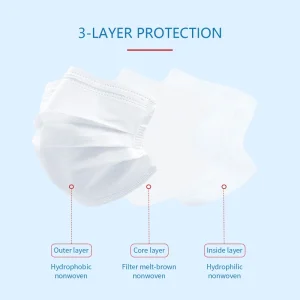
To understand the protective capacity of a non-woven face mask, one must analyze the physical and chemical structures of polymer nonwovens. Our technical masks rely primarily on a multi-layer composite system, most commonly structured as SMS (Spunbond-Meltblown-Spunbond) or SMMS arrays.

Outer Spunbond Polypropylene

Provides robust mechanical and tensile strength. This layer acts as a barrier against hydrophobic splashes, droplets, and larger physical particulate contaminants, maintaining mask structural integrity under dynamic conditions.

Electrostatic Meltblown Core

The functional heart of the mask. Employing ultra-fine microfibers (1-5 microns in diameter) treated via high-voltage corona charging, it acts as a passive filter and electrostatic trap for micro-particulates, bacteria, and aerosolized pathogens.

Inner Hydrophilic Spunbond

Designed exclusively for patient and user comfort. Formulated to absorb exhaled breath condensation, prevent dermal abrasion, and maintain a low differential pressure (Delta P) for effortless breathing over long shifts.

Our production processes ensure that the melt-blown filtration layer reaches 99% Bacterial Filtration Efficiency (BFE) and 99% Particle Filtration Efficiency (PFE). By precisely regulating air-drawing speeds, hot-air extrusion temperatures, and electrostatic polarization parameters during manufacturing, we consistently deliver masks that satisfy rigorous medical criteria while maintaining excellent breathability.

Unilateral Advantages of Chinese Non-Woven Mask Factories

For global procurement teams, choosing where to allocate contract manufacturing capital is highly strategic. Chinese PPE manufacturers—particularly clusters based in Zhejiang province—continue to hold a competitive edge in global markets. This sustained leadership is driven by several key factors:

Integrated Upstream Supply Chains

Zhejiang’s industrial ecosystems house raw polymer refineries, spunbond extrusion facilities, wire nosepiece factories, elastic looping shops, and cardboard packaging operations in close proximity. This local concentration reduces inland freight costs, minimizes lead times, and allows manufacturers like DrSharpe to quickly scale up production during public health emergencies or sudden demand surges.

Advanced Automation and Quality Inspection

By transitioning from labor-intensive manual operations to high-speed, fully automatic production machinery, Chinese manufacturers have significantly reduced contamination risk and human error. Integrated vision systems scan masks in real-time at speeds exceeding 800 units per minute, automatically rejecting masks with structural defects, misplaced nose wires, or out-of-spec earloop placement.

Compliance, Trade, and Logistics Optimization

Located near major shipping gateways like Ningbo and Shanghai Ports, Zhejiang factories can rapidly dispatch sea, air, and rail freight. Furthermore, established Chinese exporters maintain a deep understanding of international compliance requirements, regularly updating their certifications (including FDA, CE, and US EUA) to ensure seamless customs clearance for global shipments.

Global Compliance Standards for Non-Woven PPE

Navigating international regulatory frameworks is a critical challenge for global procurement departments. Depending on the target jurisdiction and intended application (medical vs. industrial), masks must adhere to specific technical standards. The table below outlines the primary compliance benchmarks achieved by Zhejiang DrSharpe Health Co., Ltd.:
Region Standard Code Classification / Grades Key Testing Parameters
United States ASTM F2100 / NIOSH 42 CFR 84 Level 1, Level 2, Level 3 / N95, N99 Fluid Resistance (mmHg), BFE & PFE %, Breathability (Delta P), Flammability
Europe EN 14683 / EN 149:2001+A1:2009 Type I, Type II, Type IIR / FFP1, FFP2, FFP3 Bacterial Filtration (BFE), Differential Pressure, Splash Resistance, Microbial Cleanliness
China GB 2626-2019 / YY/T 0969 / GB 19083 KN95, KN90 / Disposable Medical / Medical Protective Particulate Filtration (NaCl), Inhalation/Exhalation Resistance, Headband Tensile Force
Global ISO 13485 Medical Devices QMS Comprehensive Traceability, Process Validations, Cleanroom Particulate Monitoring
Every batch of raw polypropylene and melt-blown nonwoven fabrics used in our production lines undergoes strict testing for density, tensile strength, and hydrostatic pressure resistance before entering the manufacturing process. In addition, finished masks are regularly audited by third-party testing laboratories (such as SGS, Nelson Labs, and TÜV Rheinland) to verify compliance with international standards, ensuring smooth customs clearance and regulatory approval in North American, European, and Asia-Pacific markets.

Localized Application Scenarios & Macro Solutions

Non-woven filtration media are critical to safety across a wide range of industries. DrSharpe offers tailored solutions to meet the specific requirements of various sectors:

Healthcare & Clinical Medicine

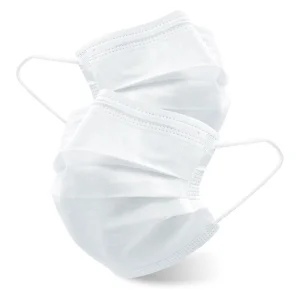
For hospitals, surgical suites, and long-term care environments, our Type IIR and Level 3 surgical masks provide splash protection and high-efficiency pathogen filtration, safeguarding frontline medical professionals during intensive patient care.

Industrial & Cleanroom Production

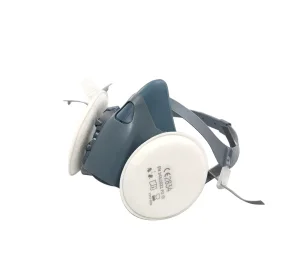
Micro-electronics, semiconductor fabrication, and pharmaceutical processing require strict particulate control. Our low-linting, ultra-clean KN95 and FFP2 respirators prevent human particulate shedding from compromising sensitive production processes.

Pediatric Protection & Daily Life

Specially sized to provide a secure seal for children, our pediatric range uses soft materials and low-resistance filters to deliver comfortable daily protection for schools, travel, and outdoor activities.

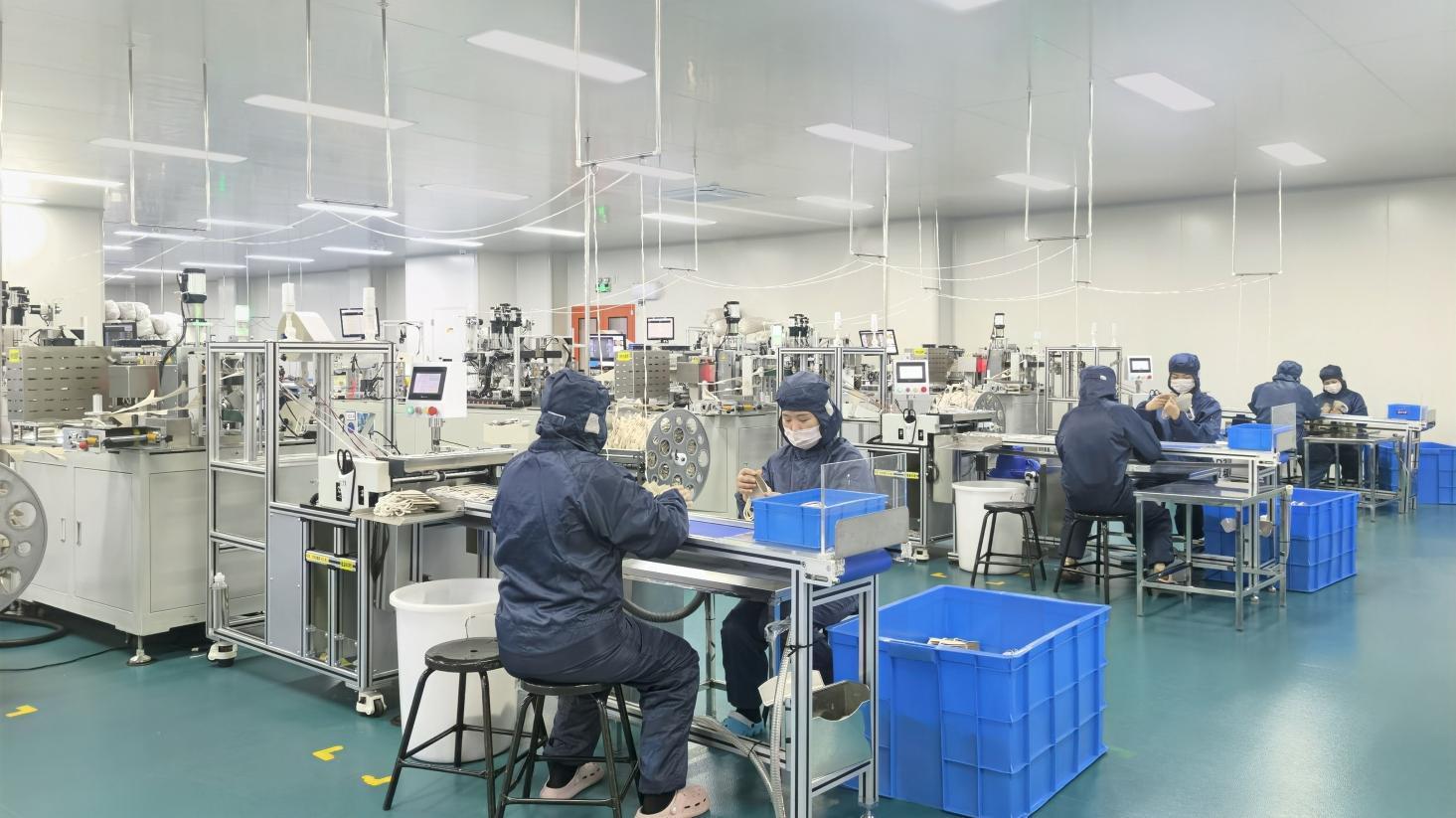
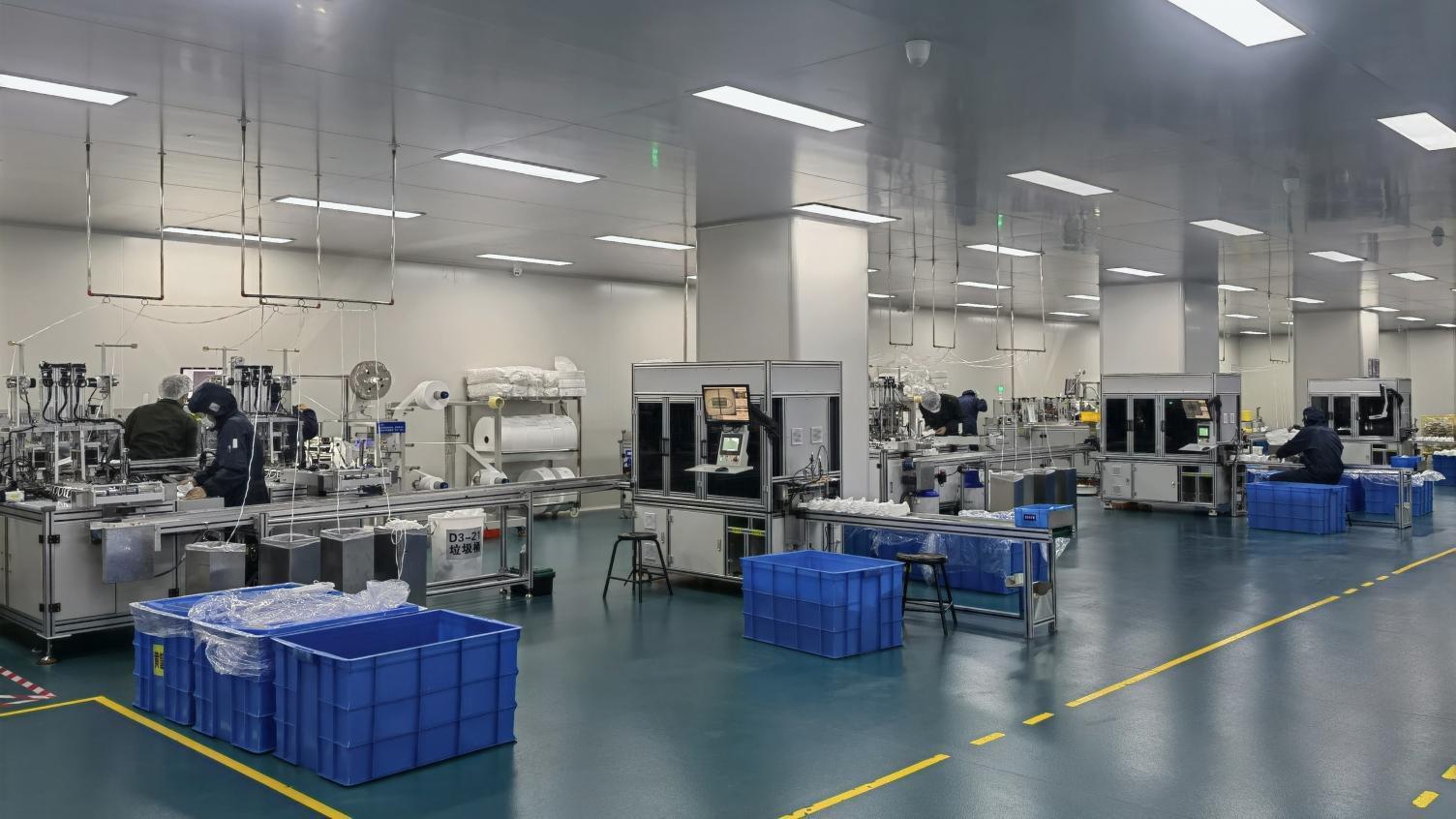
State-of-the-Art Production Facility

Take an inside look at our manufacturing plant, featuring sterile cleanrooms, high-capacity mask production lines, and automatic tissue packaging systems that ensure the safety and consistency of our products.
Future Trends in the Non-Woven PPE Sector

The non-woven protective products market is undergoing a significant transformation driven by evolving environmental regulations, material science advancements, and changing purchaser preferences:

Transition to Biodegradable Non-Wovens

Traditional polypropylene-based masks can take centuries to decompose, creating long-term waste disposal challenges. To address this, manufacturers are researching biodegradable nonwovens made from plant-based polymers like Polylactic Acid (PLA), Lyocell, and polyhydroxyalkanoates (PHA). These materials break down quickly in composting conditions without releasing harmful chemical residues, offering a more sustainable choice for high-volume users.

Nanofiber Filtration Layer Applications

While traditional melt-blown layers rely on electrostatically charged fibers to trap small particles, this charge can fade when exposed to moisture from exhaled breath. Nanofiber webs, made using electrospinning techniques, create an incredibly dense physical network with fiber diameters under 100 nanometers. This provides highly efficient mechanical filtration that doesn't rely on electrostatic charges, ensuring consistent protective performance over longer periods of wear.

Antimicrobial and Active Filtration Technologies

Next-generation masks are moving beyond passive filtration to incorporate active protection. By coating non-woven fibers with metal nanoparticles (such as copper or silver) or natural organic compounds, these masks can actively deactivate bacteria and viruses upon contact. This reduces the risk of cross-contamination during handling and disposal, providing an extra layer of safety for high-risk medical and industrial workers.

Frequently Asked Questions & Purchasing Support

To assist procurement managers, distributors, and supply chain directors in making informed sourcing decisions, we have compiled answers to common technical, compliance, and logistical inquiries:

Q1: What is the difference between BFE and PFE in non-woven face masks?
Bacterial Filtration Efficiency (BFE) measures the mask's ability to filter out biological aerosols and bacterial droplets (typically sized around 3.0 microns). Particle Filtration Efficiency (PFE) evaluates its capacity to block non-biological sub-micron particles (often tested at 0.1 microns). Zhejiang DrSharpe's high-grade masks achieve 99% ratings for both BFE and PFE, ensuring comprehensive protection against airborne pathogens and industrial dust.
Q2: How does Zhejiang DrSharpe ensure quality control across its automatic and semi-automatic production lines?
We employ a multi-layered quality control system: raw materials are inspected upon arrival, online optical detectors monitor the assembly lines to flag defects, and finished products undergo laboratory testing for breathability and filtration efficiency. Operating in ISO-certified cleanrooms, our processes adhere strictly to CE and FDA standards.
Q3: What are the minimum order quantities (MOQ) and lead times for global exports?
MOQs vary based on the specific mask design and customization requirements. Standard surgical masks generally start at 100,000 units. For typical orders, production and dispatch take between 7 to 15 days, depending on our current capacity. We coordinate closely with major shipping networks to secure timely deliveries.
Q4: Are your non-woven masks customizable in terms of colors, earloops, and branding?
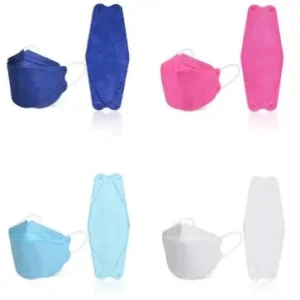
Yes, we provide comprehensive OEM and ODM services. Clients can customize non-woven fabric colors (including medical blue, black, and white), choose between round or flat elastic earloops (or head loops), adjust packaging formats (boxes, individual sterile pouches, bulk bags), and print custom branding or logos directly on the outer layer of the masks.
Q5: How does the 3D KF94 design differ from standard 3-ply surgical masks?
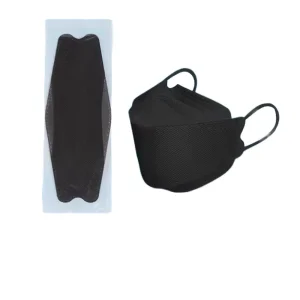
The 3D "fish-shape" KF94 style provides a more ergonomic fit, creating a larger breathing chamber that keeps the fabric away from the lips and nose. This design improves comfort during long periods of wear and forms a tighter seal around the face, reducing the risk of unfiltered air leaking in through the edges.