DrSharpe Health
DrSharpe Health
DrSharpe Health
High-performance protective solutions engineered with moisture-wicking and quick-drying substrates for professional environments.
In the competitive landscape of personal protective equipment (PPE), the evolution of face mask material science has transitioned from simple physical barriers to complex, multi-functional membrane systems. One of the most significant design modifications in high-capacity environments is the integration of quick-dry technology within filtration layers. When personnel wear respirators for extended periods, exhalation generates a highly humid microclimate inside the mask chamber. Traditional non-woven fabrics capture this moisture, causing fibers to swell, reducing electrostatic filtration capabilities, and dramatically increasing breathing resistance.
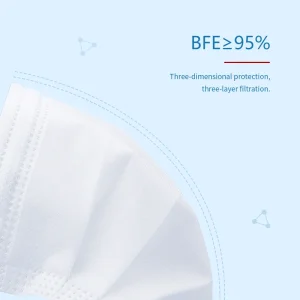
A quick-dry face mask addresses this critical failure point by utilizing hydrophobic and hydrophilic layered fibers that transport sweat and exhaled condensation away from the wearer's skin. By maintaining dry inner layers, the mask preserves the structural integrity of the melt-blown filtration core. This technology directly impacts the Particle Filtration Efficiency (PFE) and Bacterial Filtration Efficiency (BFE), preventing moisture-induced degradation of electrostatic charges that are critical for trapping sub-micron viral and dust particles.
"Moisture management is not just a comfort feature—it is a critical parameter of respiratory safety. Wet filters suffer from diminished electrostatic efficiency, placing the worker at higher risk of exposure."
At the core of DrSharpe’s manufacturing philosophy lies an unwavering commitment to premium raw materials and rigorous physics-backed testing. The efficiency of a protective mask depends on its multi-layered barrier system. By employing advanced melt-blown non-woven fabrics, our masks create a tortuous pathway for airborne particulates. During the extrusion process of melt-blown polypropylene, high-velocity hot air attenuates the molten polymer into microfine fibers, creating a matrix optimized for physical interception, inertial impaction, and diffusion.
To achieve the coveted 99% BFE and PFE metrics, our manufacturing lines incorporate an online corona charging system. This system injects a stable electrostatic charge (electret) into the microfibers. This charge acts as a microscopic magnet, attracting and capturing charged particles even at low resistance thresholds. The integration of quick-dry technology prevents the build-up of moisture, which acts as a conductive medium that neutralizes these electrostatic charges over hours of continuous use.
Zhejiang DrSharpe Health Co., Ltd. is a professional manufacturer and global supplier specializing in disposable medical and healthcare products, especially high-quality face masks and protective solutions. With strong manufacturing capabilities, advanced production technology, and strict quality management, DrSharpe is committed to providing safe, reliable, and comfortable healthcare products for customers worldwide.
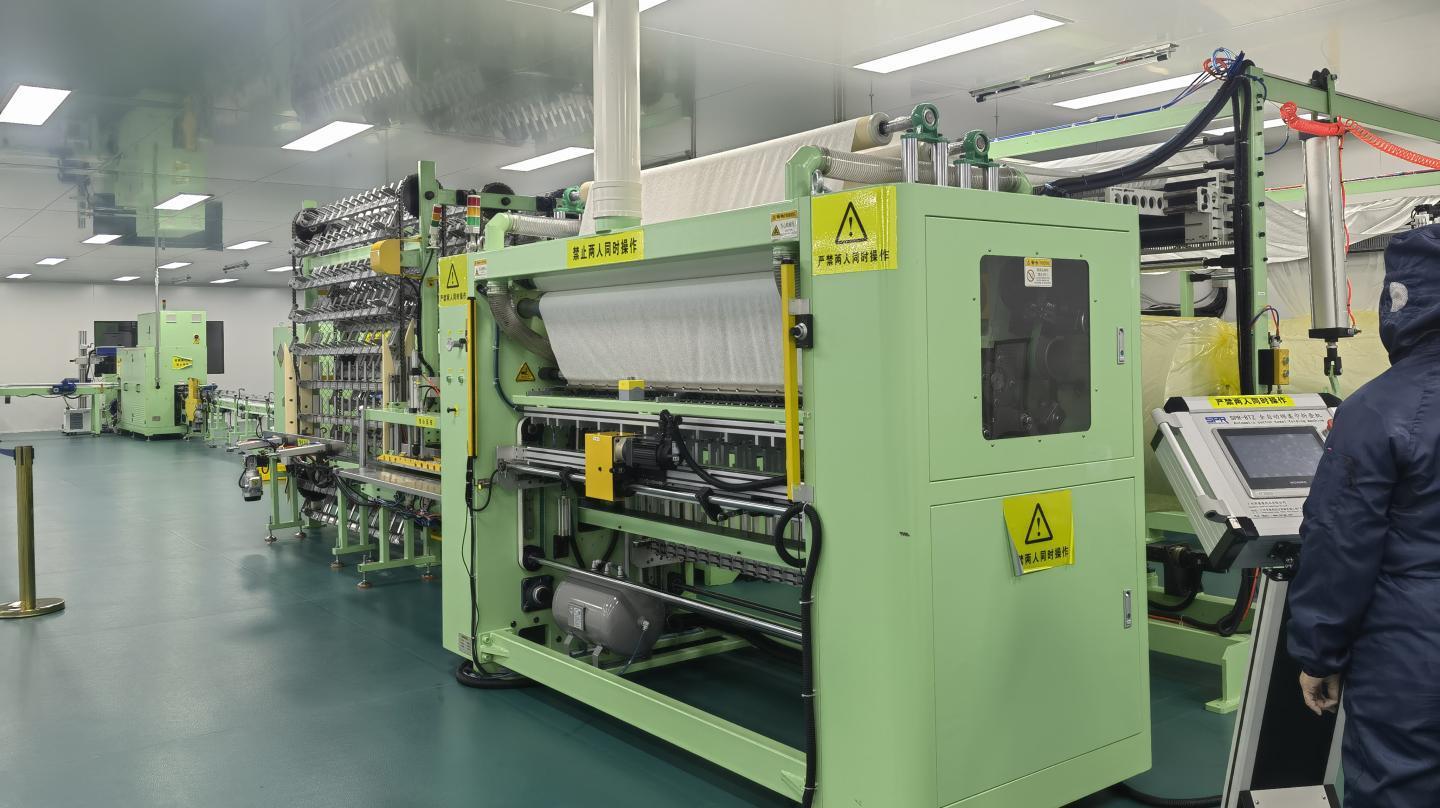
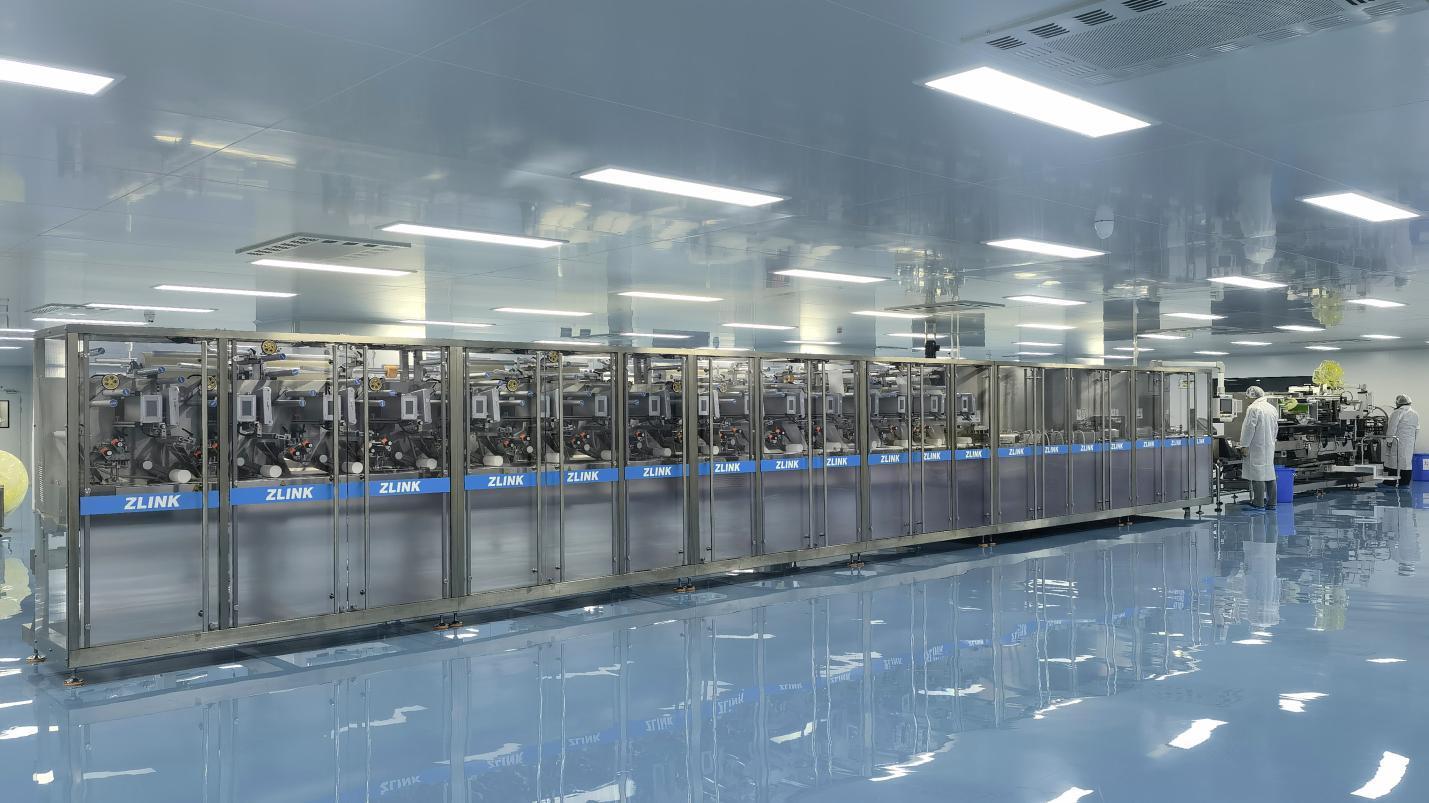
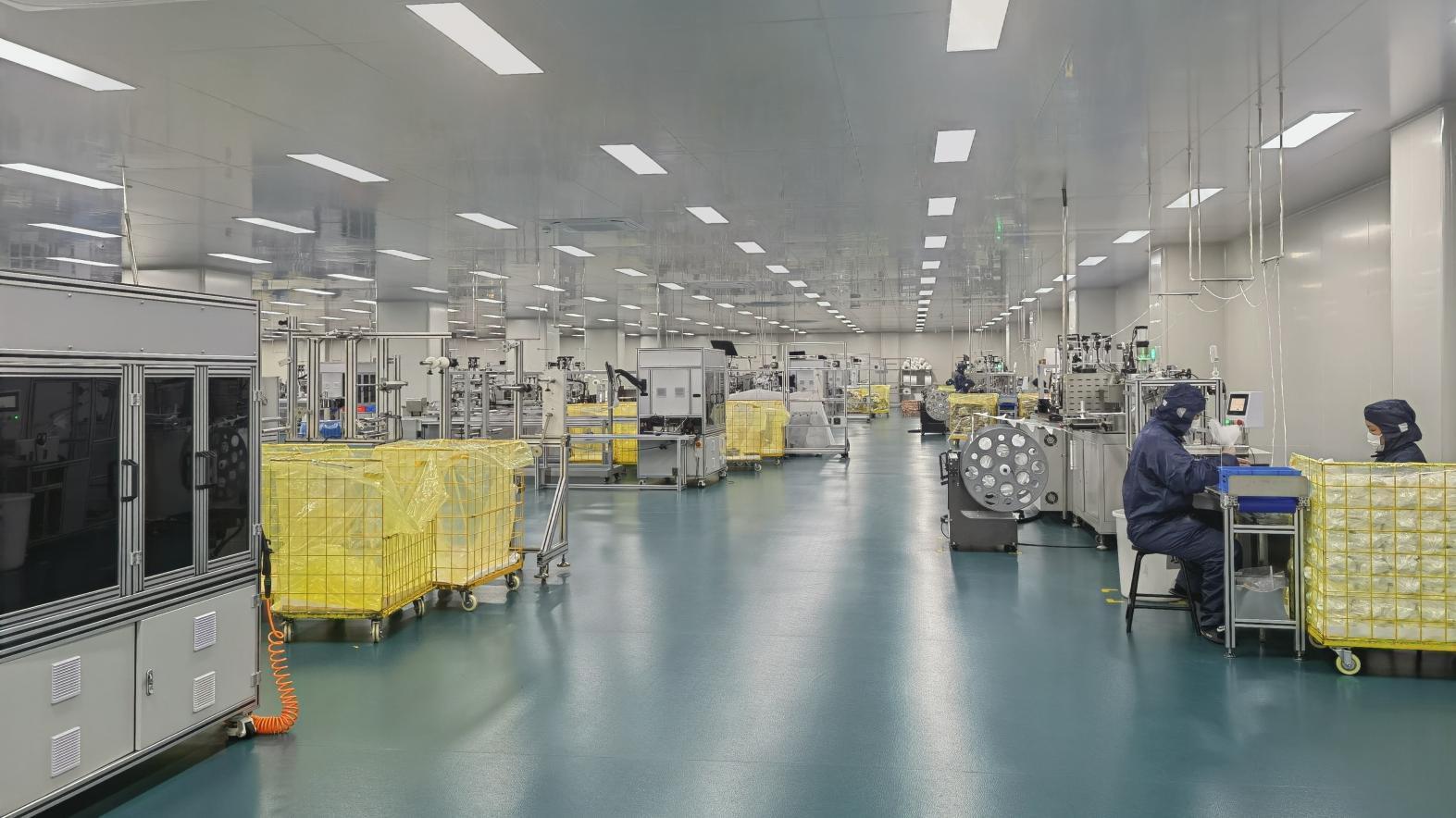
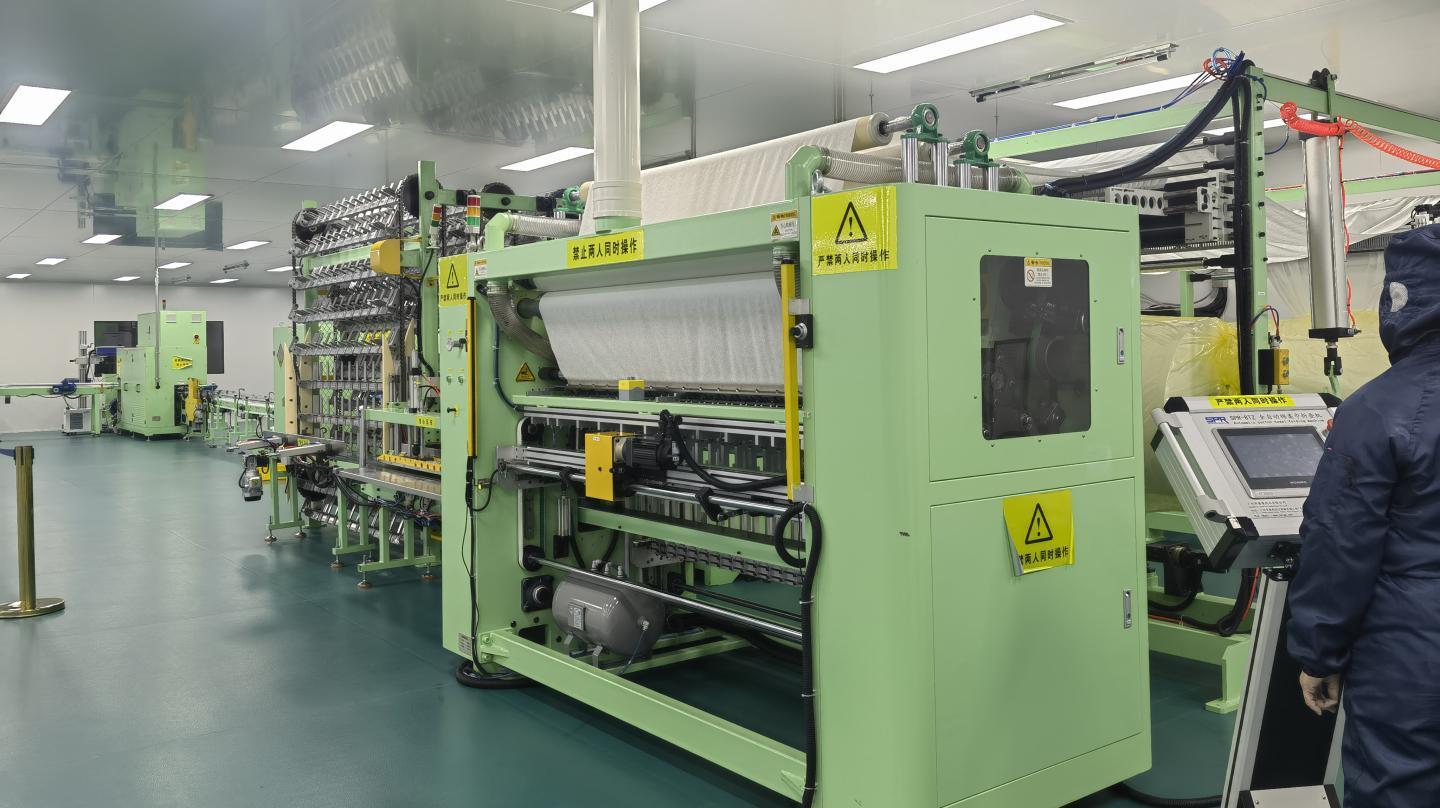
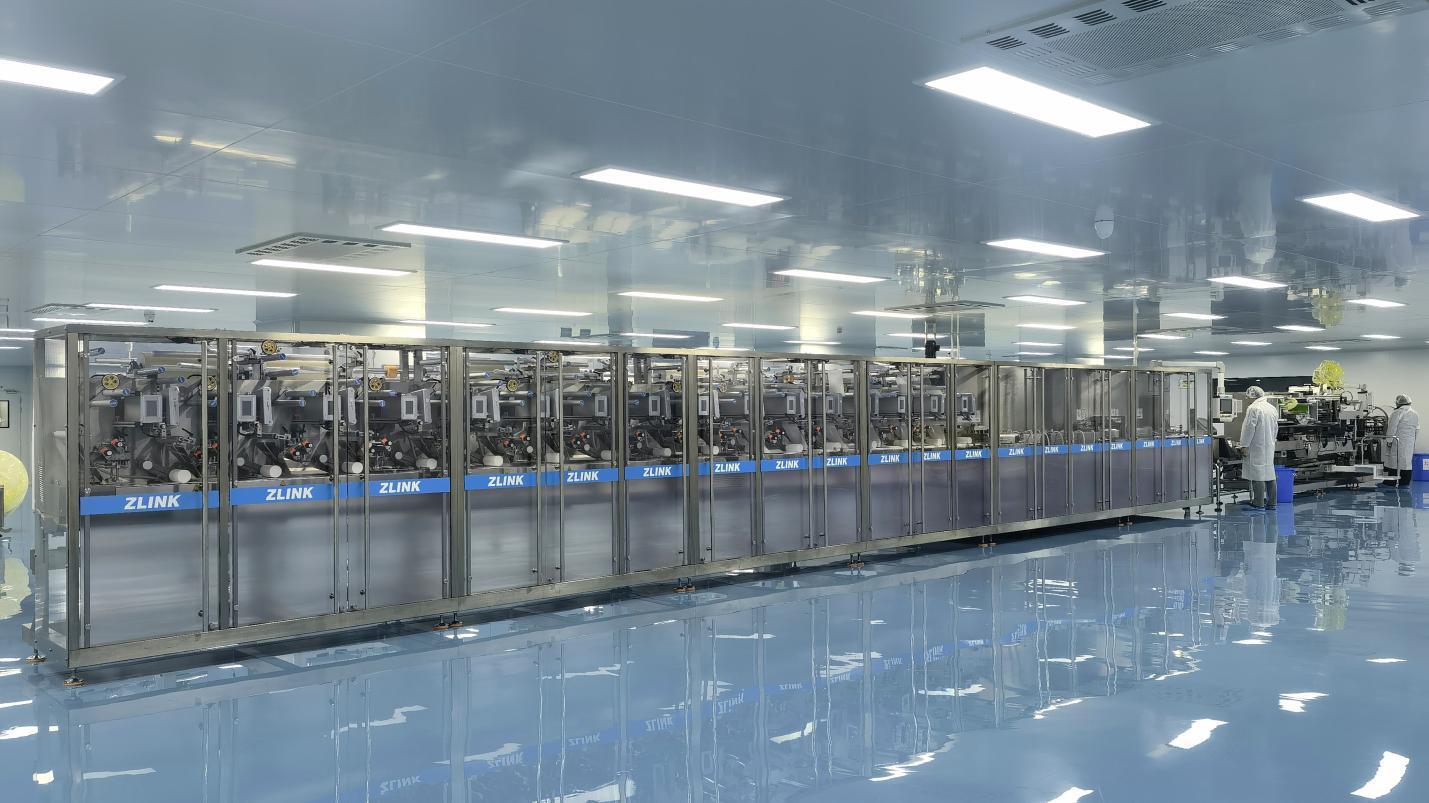
Our factory is equipped with 5 fully automatic mask production machines and 12 semi-automatic mask production machines, supported by an experienced production and service team. From raw material selection to final packaging, we strictly control every production process to ensure stable quality and reliable supply. Our products are widely exported to markets including the United States, Europe, Japan, Mexico, Germany, and the United Kingdom.
DrSharpe mainly provides disposable face masks and related healthcare products for medical, personal protection, and daily use applications. Using advanced filtration materials, our masks achieve up to 99% Bacterial Filtration Efficiency (BFE) and 99% Particle Filtration Efficiency (PFE), offering excellent protection and wearing comfort. Our products comply with international standards and have obtained certifications including CE, US FDA, and US EUA.
Driven by innovation, quality, and customer satisfaction, Zhejiang DrSharpe Health Co., Ltd. continues to deliver trusted healthcare solutions and build long-term partnerships with customers around the world.
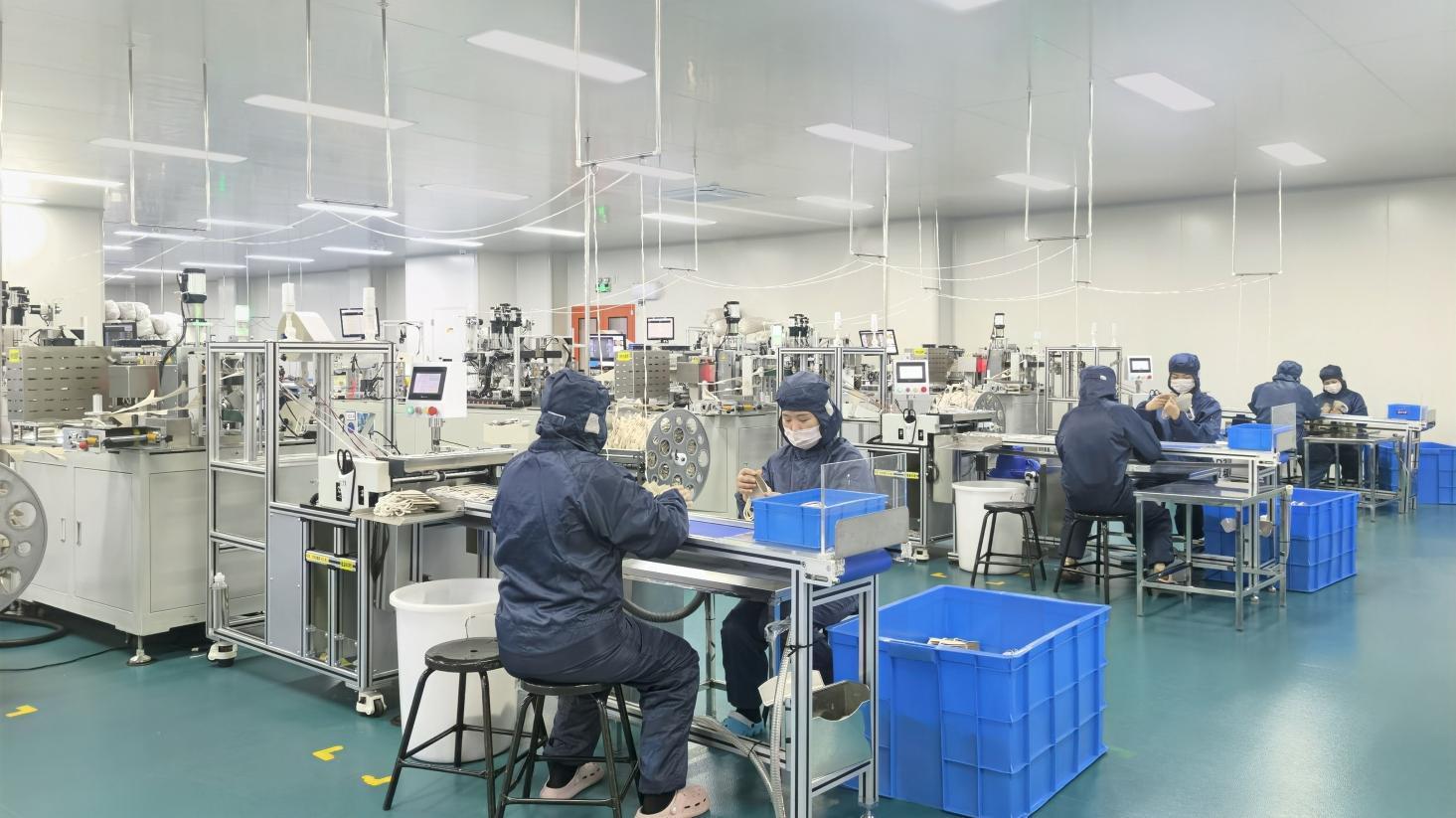
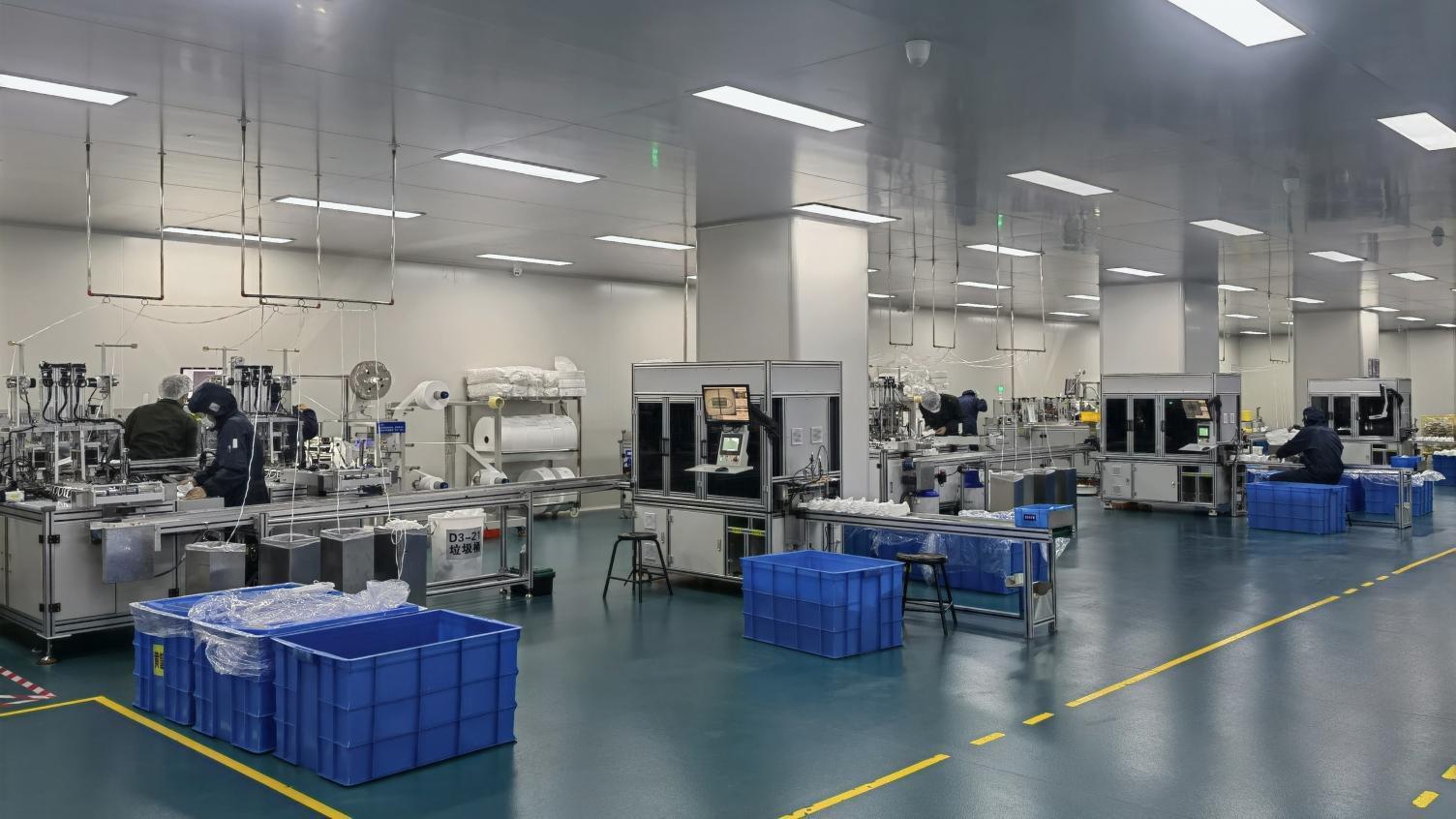
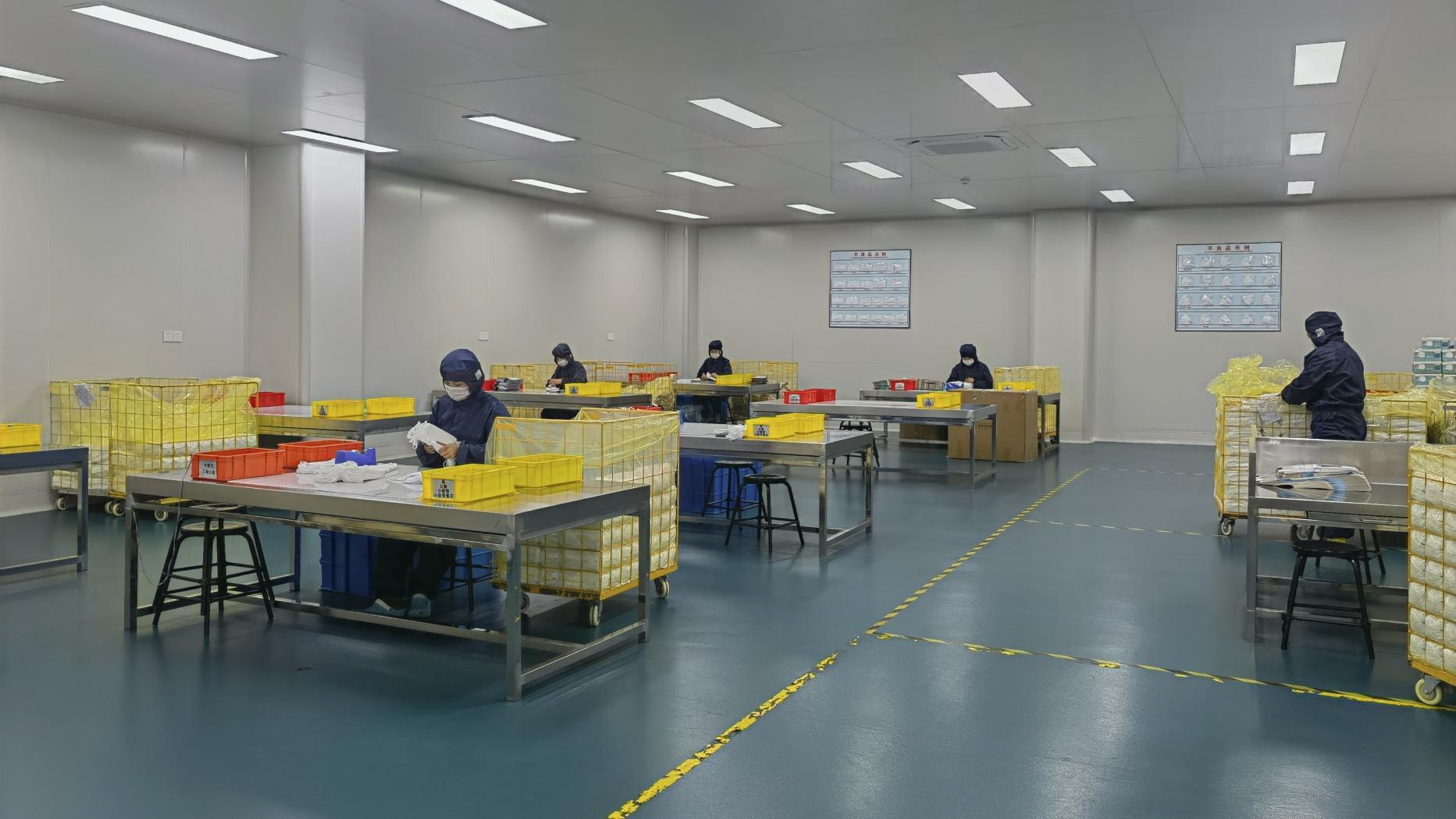
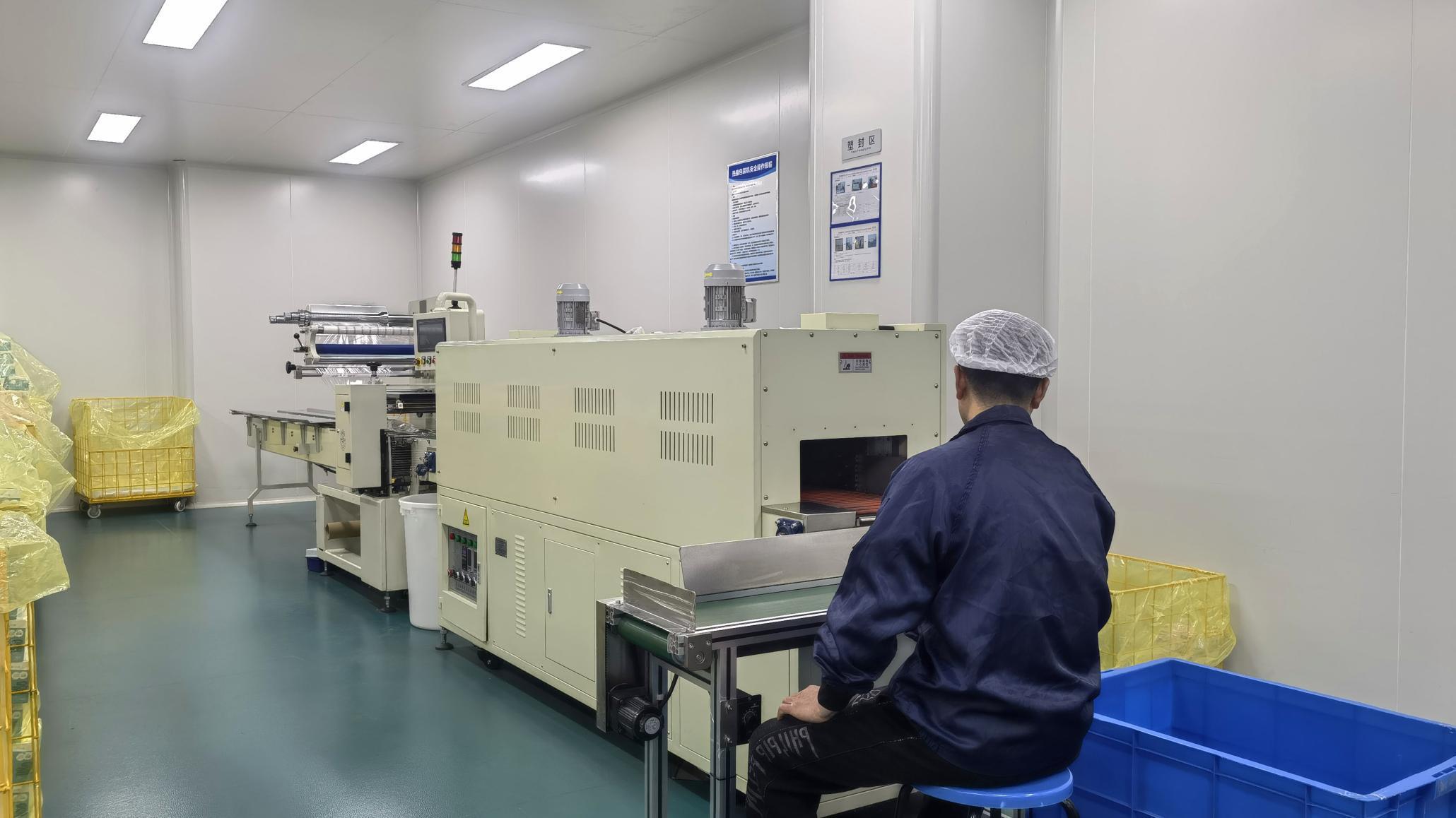
From a macro industrial perspective, the global market for personal protective equipment has evolved from emergency procurement to highly standardized, quality-driven sourcing. B2B procurement managers, hospital administrators, and government agencies no longer purchase masks simply on a unit-price basis. Instead, they look at total cost of ownership (TCO) and long-term wearing compliance. High-humidity environments—such as tropical field work, underground mining, high-temperature factories, and operating rooms—present major challenges for standard face masks.
When workers sweat or breathe heavily, standard masks suffer from filter saturation, which leads to frequent replacements, decreased employee productivity, and increased waste disposal costs. In response, global manufacturing hubs are integrating smart polymers and quick-dry textile engineering into their production lines. By sourcing from factories like DrSharpe, which utilize automated machinery to ensure consistent tension and ultrasonic welding, global businesses can secure high-grade inventory that holds up under harsh, high-moisture industrial settings.
Navigating the regulatory landscape of medical and protective equipment is a primary concern for international distributors. A manufacturer's credibility depends on its certifications. Different jurisdictions enforce distinct quality frameworks:
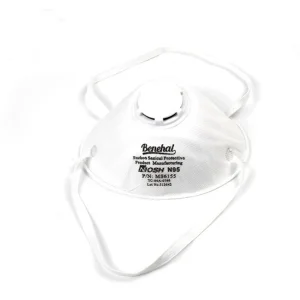
US FDA and US EUA certifications govern the efficacy of medical devices. NIOSH N95 standards demand strict 95% filtration against non-oil aerosols, with a focus on exhalation valve integrity and structural durability.
CE Certification regulates FFP2 and FFP3 categories. These standards test both paraffin oil and sodium chloride penetration, ensuring the masks perform in challenging industrial environments.
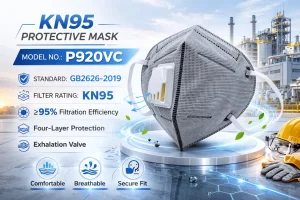
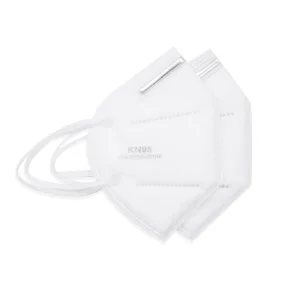
Standards like China's KN95 and Japan's DS2 govern regional supply chains. They emphasize nose-bridge conformity and overall leakage rates to protect wearers in crowded urban areas.
DrSharpe guarantees total regulatory compliance by testing every batch in-house using automated particle counters. By maintaining strict control over our raw materials and our automated production facilities, we ensure that every shipment conforms to the localized import rules of the United States, Europe, and Japan. This mitigates customs bottlenecks and guarantees immediate deployment in hospitals, schools, and heavy industry plants.
Understanding the diverse applications of respiratory protection is essential for optimizing procurement choices. Our product line is tailored to distinct operational environments:
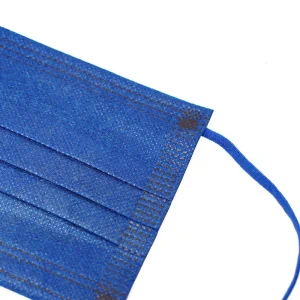
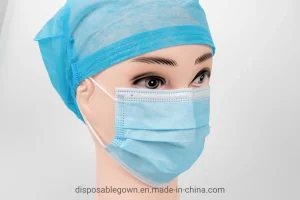
A. Clinical & Surgical Care: In high-stakes medical facilities, surgeons and clinical staff wear surgical face masks (such as Type IIR or FDA-cleared 3-ply masks) for hours at a time. The quick-dry inner layer pulls exhaled condensation away from the skin, preventing facial irritation and minimizing the risk of mask readjustment, which can cause cross-contamination.
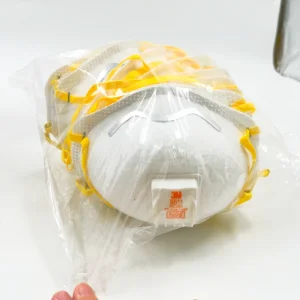
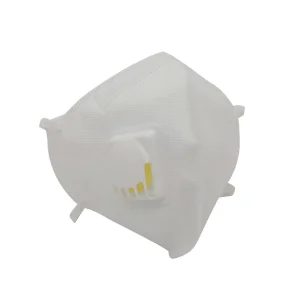
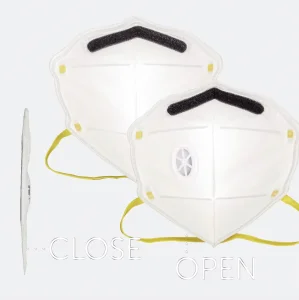
B. Industrial Construction & Heavy Fabrication: Dust masks with cool-flow valves and quick-dry capabilities are indispensable in heavy manufacturing, mining, and carpentry. Physical labor causes rapid breathing, which can saturate a standard respirator. The quick-dry technology and one-way valves permit hot air to escape quickly, keeping the filter dry and maintaining its particulate filtration capability.
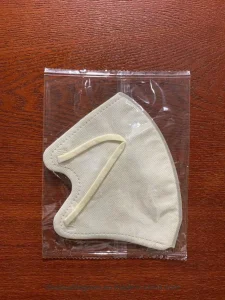
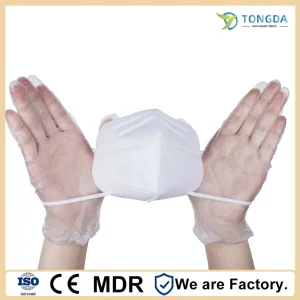
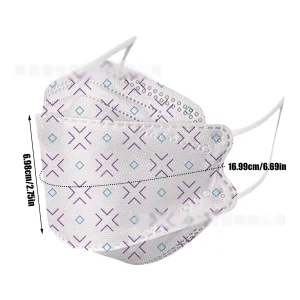
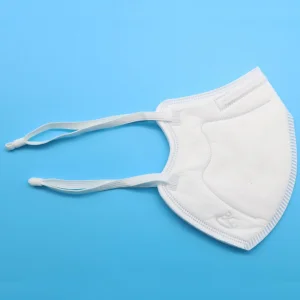
C. Commuting and Public Use in Hot Humid Regions: In dense urban centers, particularly in tropical climates, daily commuters need breathable, lightweight solutions. Our folded 3D and butterfly-style masks offer a comfortable fit with low inhalation resistance, making them ideal for long commutes.
DrSharpe’s R&D department continues to explore new material designs for the future of personal protective equipment. Our technology roadmap focuses on three main areas:
First, the integration of biodegradable quick-dry non-wovens. Traditional polypropylene masks can persist in the environment for centuries. We are developing bio-based polylactic acid (PLA) fibers that offer the same filtration efficiency and quick-dry characteristics while breaking down safely in compost facilities.
Second, the application of electrospun nanofiber membranes. These ultra-thin membranes rely on physical interception rather than electrostatic charge, ensuring consistent filtration efficiency even in very humid environments.
Third, smart-ventilation integration. By analyzing air flow dynamics, we are refining our one-way valves to open with less exhalation pressure, improving comfort for workers in heavy industry.
High-performance protective solutions engineered with moisture-wicking and quick-drying substrates for professional environments.