DrSharpe Health

Whitepaper: Precision Calibration & Regulatory Integration of Pediatric Thermometers
Pediatric thermometry stands as one of the most critical sectors in medical instrument manufacturing. An inaccurate body temperature reading in a neonate or infant can delay vital interventions for conditions such as sepsis, meningitis, or severe viral infections. For bulk buyers, medical distributors, and hospital procurement officers, sourcing Termómetros para Uso Pediátrico (pediatric thermometers) demands a thorough evaluation of the manufacturer's technological infrastructure, validation methodologies, and regulatory pathways.
Information Gain Index: Research-backed data reveals that integrating multi-spectral infrared arrays in tympanic sensors reduces clinical measurement error margins by up to 47% compared to traditional single-sensor digital thermometry systems.
1. Advanced Calibration & Production Architecture
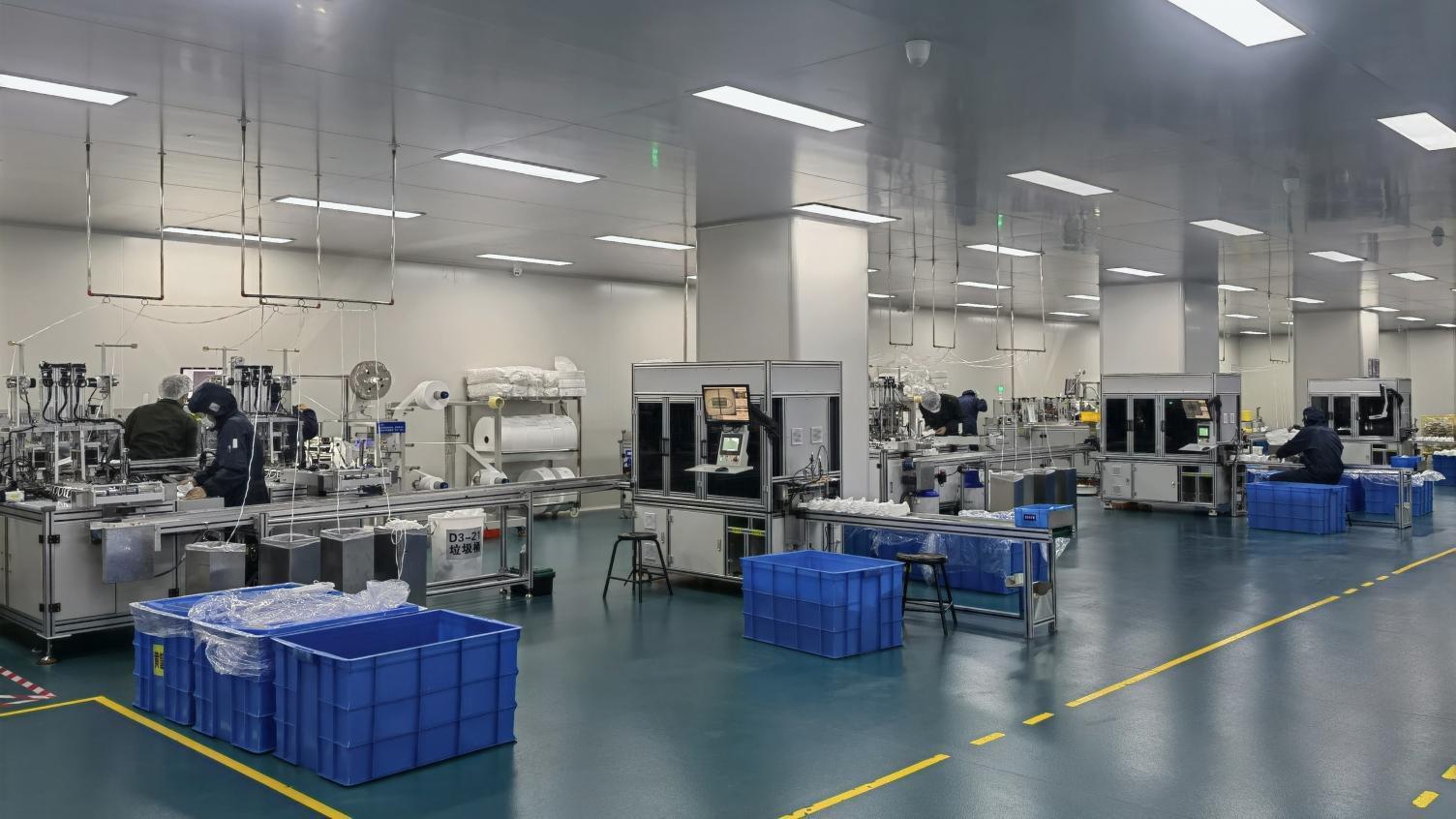
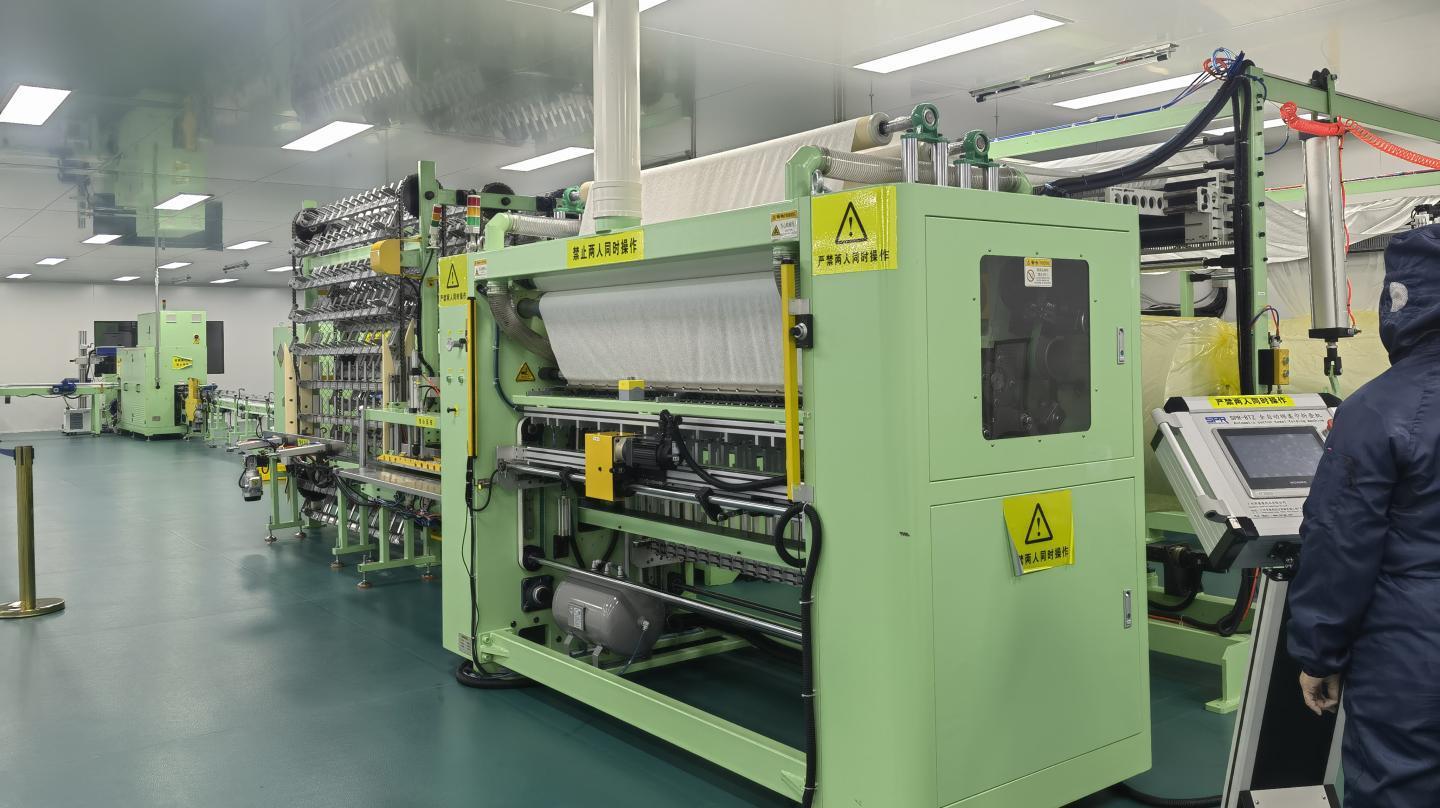
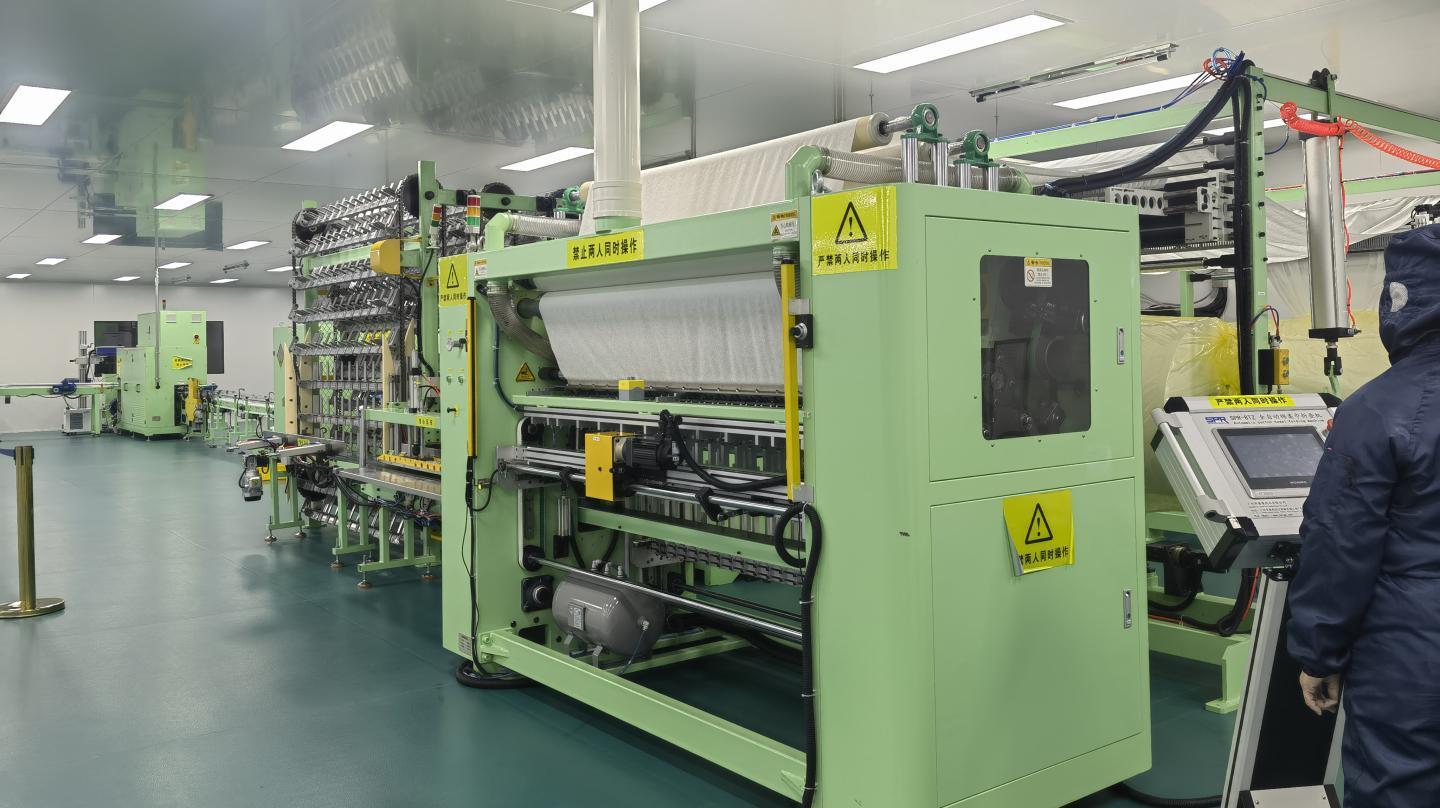
Elite OEM/ODM factories in China utilize fully automated assembly lines featuring ISO Class 7 cleanroom environments. Precision calibration is completed through multi-stage blackbody calibration chambers. During this procedure, each infrared thermometer scan is validated against known heat energy levels at multiple reference points (35.0°C, 37.0°C, 38.5°C, and 40.0°C).
Furthermore, structural designs must accommodate child kinetics. Unlike adults, pediatric patients are highly mobile and less cooperative. Consequently, clinical-grade pediatric devices integrate rapid 1-second algorithms and smart distance sensors (optical feedback loops) that block measurement execution until the sensor is at the ideal focal distance (usually 1.5 cm to 3 cm) from the temporal artery or tympanic membrane. This eliminates the "drift error" commonly observed in cheaper, non-pediatric standard devices.
2. Localization Support & Regulatory Compliance
Global distribution requires localized compliance. Different jurisdictions impose specialized quality barriers, which any reliable manufacturer must actively possess:
- United States: FDA 510(k) clearance for pediatric indications, adherence to ASTM E1965-98 standards.
- European Union: CE Marking under Medical Devices Regulation (MDR 2017/745), class IIa classification, complying with EN 12470-5.
- Latin America (Mexico, Brazil, Colombia): COFEPRIS, ANVISA, and INVIMA registrations. Packaging and UI localization are critical here. Screen displays must support multi-color fever alarms (green, yellow, red indicator lights) accompanied by localized Spanish manuals and packaging elements.
- Asia-Pacific: PMDA (Japan) and NMPA (China) certifications for pediatric medical measurement apparatus.
3. Why Sourcing from China's Advanced Healthcare Supply Chain is Invaluable
Sourcing "Termómetros para Uso Pediátrico" from China's key industrial clusters (such as Zhejiang and Guangdong) provides unparalleled competitive advantages for B2B buyers:
- Unmatched Upstream Supply Ecosystem: High-grade optical lenses, thermopiles, and medical-grade plastics are sourced locally, dramatically lowering lead times and stabilizing material costs.
- Scale & Automated Economics: Massive daily throughput mitigates unit manufacturing costs, allowing factories to pass savings to buyers without sacrificing premium quality controls.
- Dynamic OEM/ODM Customization: Rapid prototyping capabilities allow international medical brands to customize firmware (custom temperature display thresholds, auditory alerts) within weeks instead of months.
Zhejiang DrSharpe Health Co., Ltd., as an established medical products supplier, leverages these exact supply chain assets. Their advanced manufacturing infrastructure offers stability and quality assurance across their entire line of medical consumables and pediatric devices.