DrSharpe Health
DrSharpe Health
DrSharpe Health
Optimized for immediate bulk distribution to the Port of Buenos Aires, targeting the local metallurgical, automotive, and grain storage industrial centers.
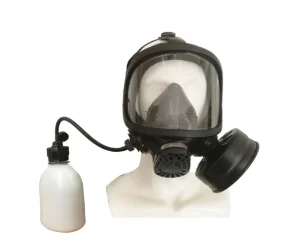
The Metropolitan Area of Buenos Aires (AMBA) represents the heart of Argentina's industrial, chemical, and logistics activities. From the petrochemical complexes of Dock Sud and Ensenada to the automotive plants in General Pacheco, and the pharmaceutical and food processing facilities across San Martín and Tres de Febrero, workers face complex airborne particulate environments. Unlike standard particulate matter, these settings contain volatile organic compounds (VOCs), solvent vapors, paint fumes, and low-level acid gases that standard mechanical filters cannot absorb.
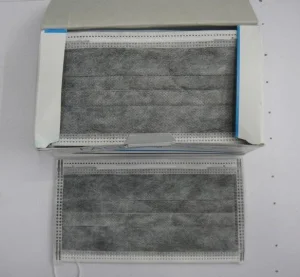
This is where Activated Carbon (AC) filter technology proves indispensable. By leveraging the physical adsorption mechanism of microporous active carbon structures, our masks capture not only microscopic dust particles (such as PM2.5 and silica dust) but also neutralize organic gaseous hazards and foul odors. As Buenos Aires environmental regulations tighten and occupational health standards align with international guidelines, safety managers are upgrading their procurement criteria from simple dust masks to certified multi-layered activated carbon respirators.
Standard N95/FFP2 masks lack the chemical affinity required to capture volatile molecules. Our specialized carbon-infused masks incorporate a dynamic molecular sieve layer that binds gas phase contaminants, offering dual mechanical and chemical defense lines. This is critical for urban transit workers facing high concentration diesel exhaust emissions along the Avellaneda and Lanús corridors.
Our products are engineered to solve the real-world respiratory challenges of the region's main economic activities.
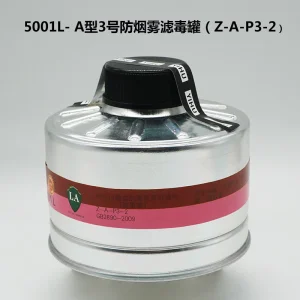
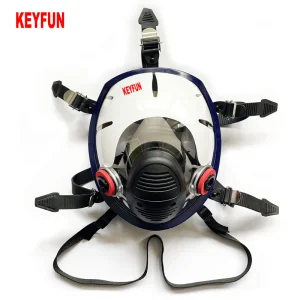
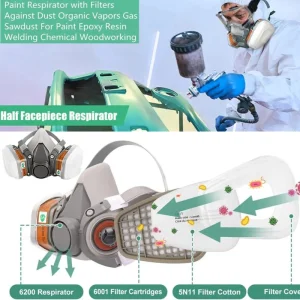
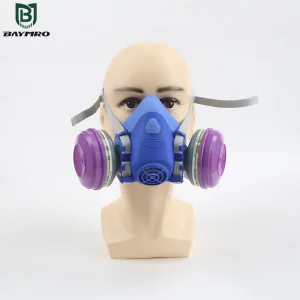
In the chemical plants of Zárate and Campana, workers handle hydrocarbons, organic solvents, and acid gases daily. Our full-face respirators equipped with active carbon canisters offer high-capacity sorption barriers to protect workers from chronic inhalation hazards, exceeding the basic occupational exposure limits (PEL) set by Superintendencia de Riesgos del Trabajo (SRT).
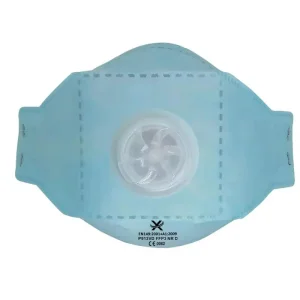
Buenos Aires ports process millions of tons of wheat, corn, and soy annually. Grain elevators produce dense, organic silica-rich dust contaminated with pesticide residues. Our FFP3 and valve-equipped carbon masks protect handlers from grain fever and pesticide vapor inhalation, maintaining structural breathability even in humid coastal storage conditions.
Automobile manufacturing in General Pacheco requires intensive spot-welding and multi-stage spray painting. Aerosolized paint thinners (toluene, xylene) are notorious for passing straight through ordinary fiber filters. The addition of our active carbon layer absorbs these volatile chemical aerosols, ensuring safer shifts for plant operators.
Tailored carbon pore sizes specifically optimized to capture organic molecules (C6-C10 compounds).
Engineered nose bridge designs for Latin American facial dimensions, reducing leakage factors.
The core performance of an activated carbon mask is defined by the surface area chemistry of the carbon media and the structural integrity of the filter media. At Zhejiang DrSharpe Health Co., Ltd., our materials science team continuously updates the impregnation techniques of carbon granules and fibers to match international advancements.
1. Carbon Micro-pore Structuring: We employ steam-activated coconut shell carbon, which features a significantly higher density of micropores (under 2 nanometers) compared to traditional coal-based carbon. This provides a total internal surface area exceeding 1,100 m² per gram, translating to enhanced adsorption capacity for low-molecular-weight industrial gases.
2. Electrostatic Meltblown Integration: To maintain high breathability (low breathing resistance) without sacrificing safety, our technical roadmap features a hybrid configuration: an active carbon web sandwiched between high-density electrostatic charge-loaded meltblown nonwoven layers. This allows the mask to block fine dust mechanically and electromagnetically, leaving the carbon layer free to capture gaseous molecules without clogging.
3. Graphene and Antimicrobial Doping: Looking ahead, our R&D roadmap focuses on doping activated carbon fibers with nano-silver particles and reduced graphene oxide. This next-generation upgrade provides a self-sterilizing function, preventing bacterial growth on the mask surface during long, humid shifts in industrial environments.
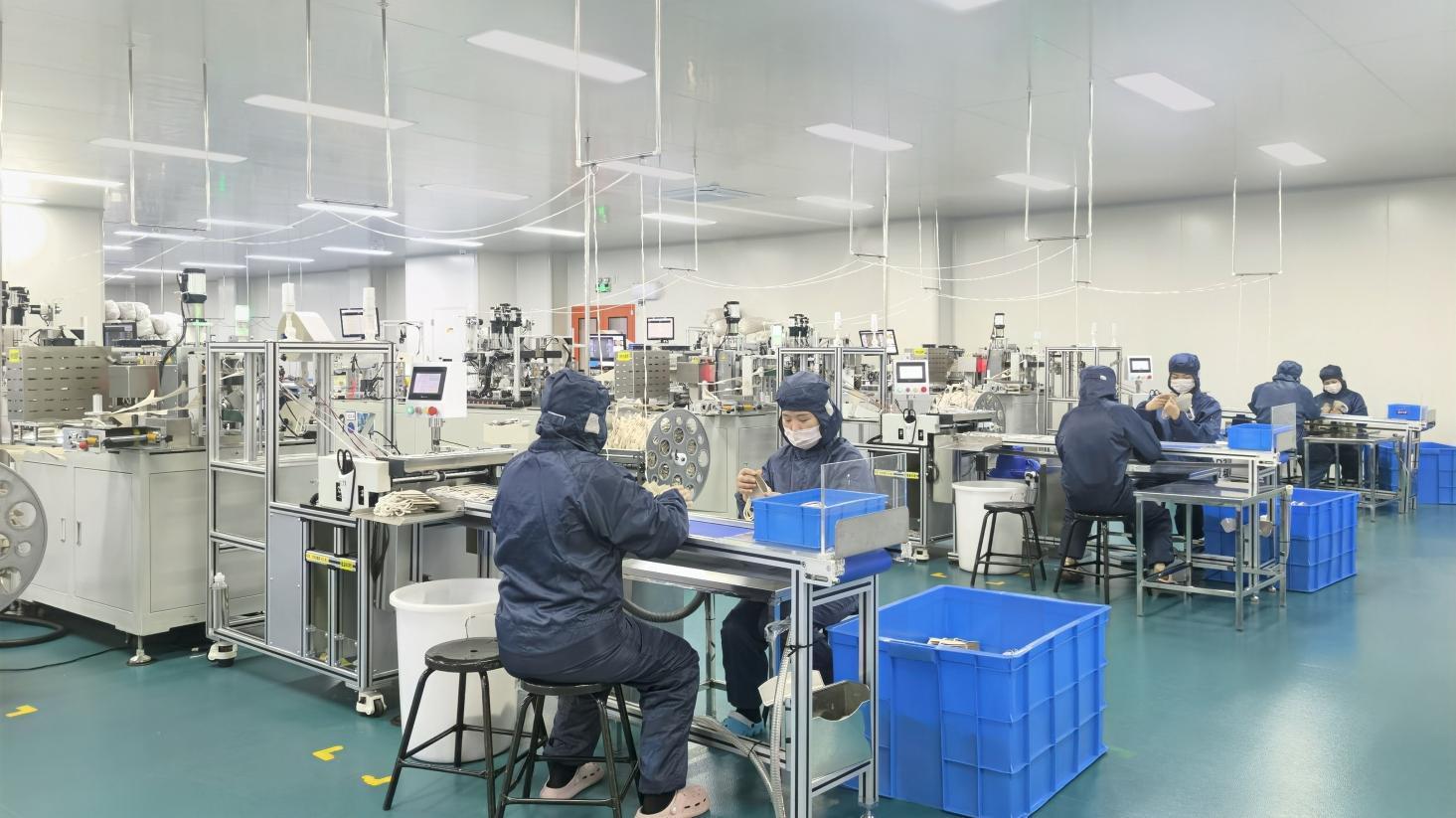
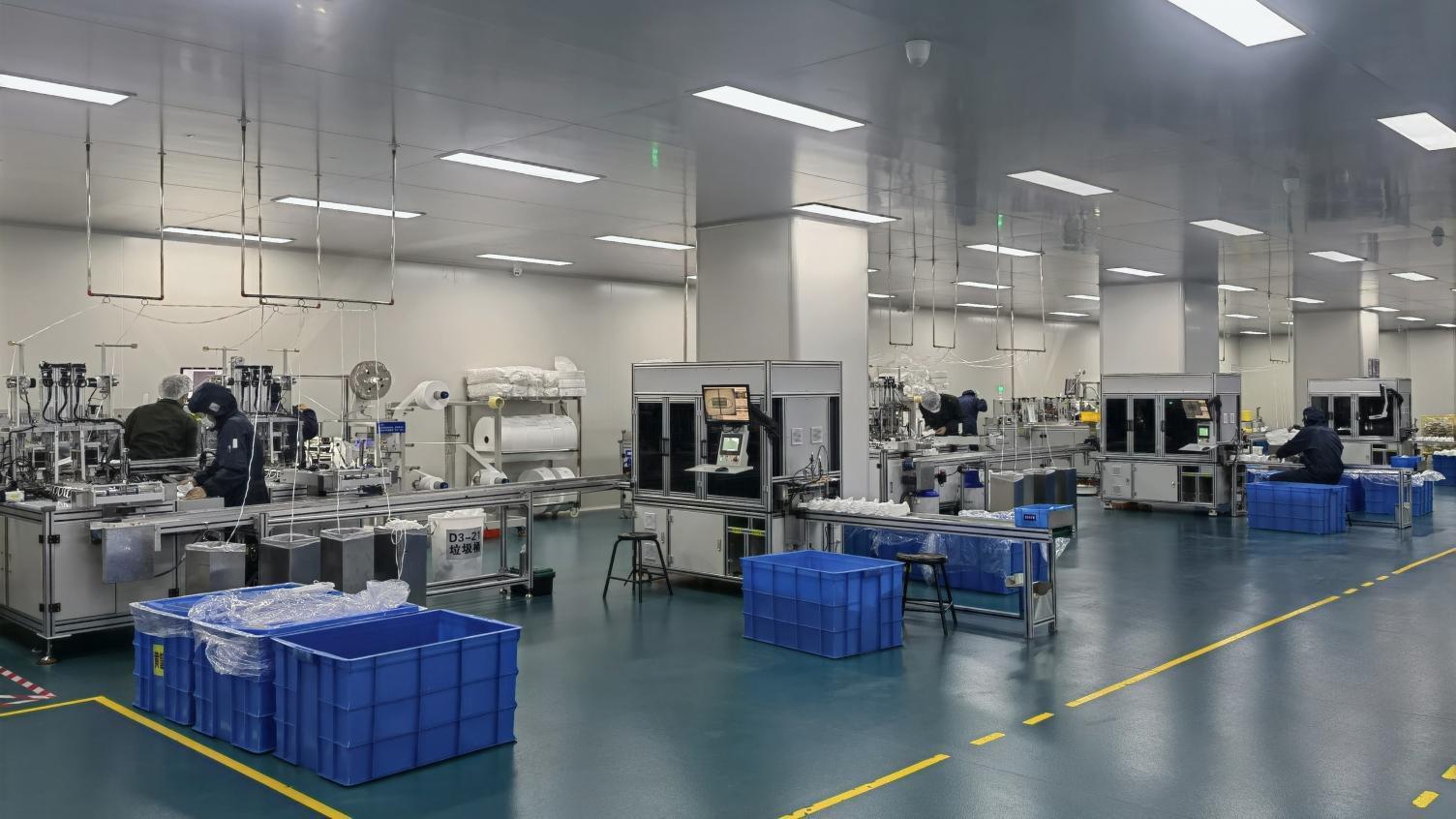
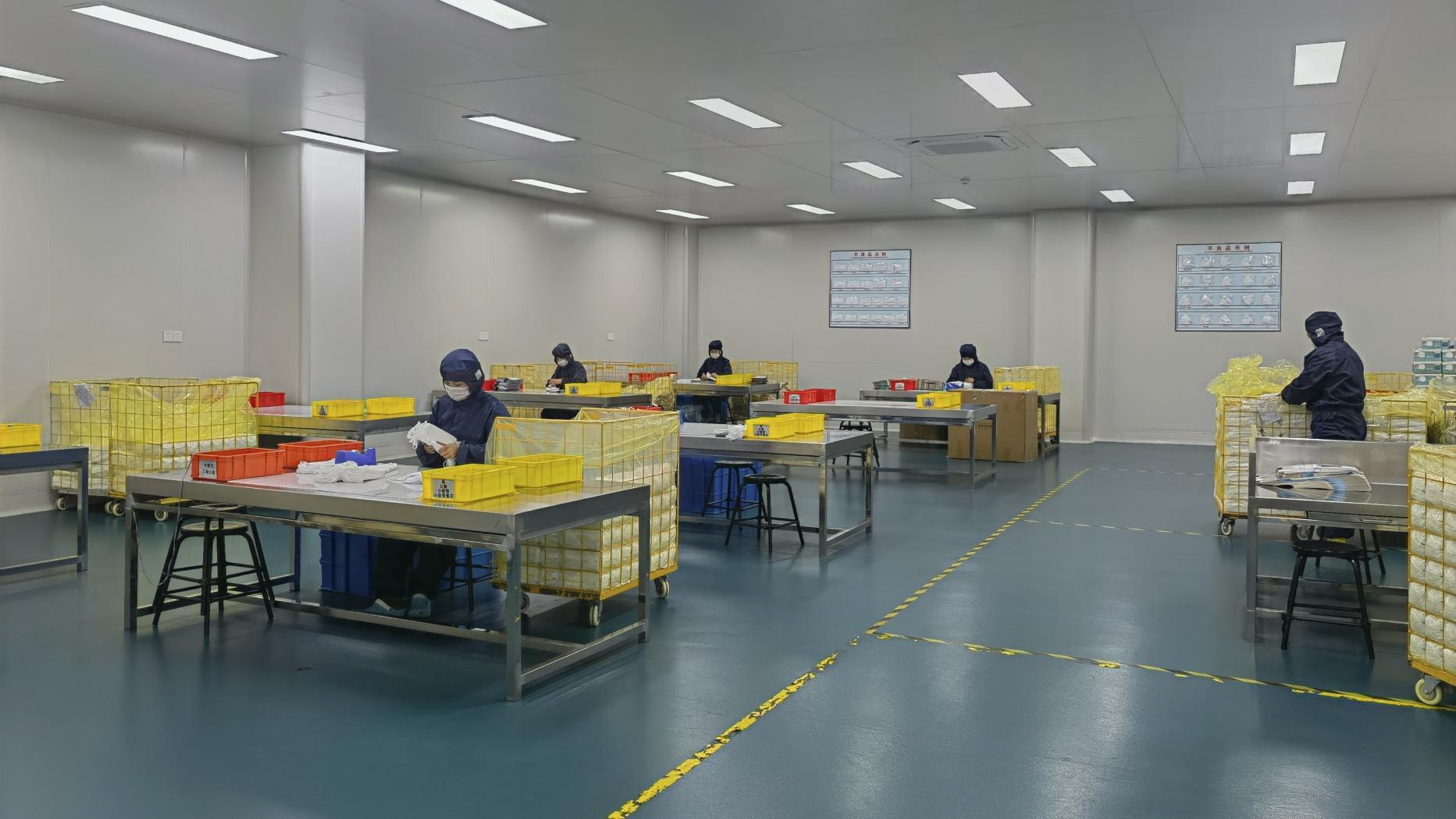
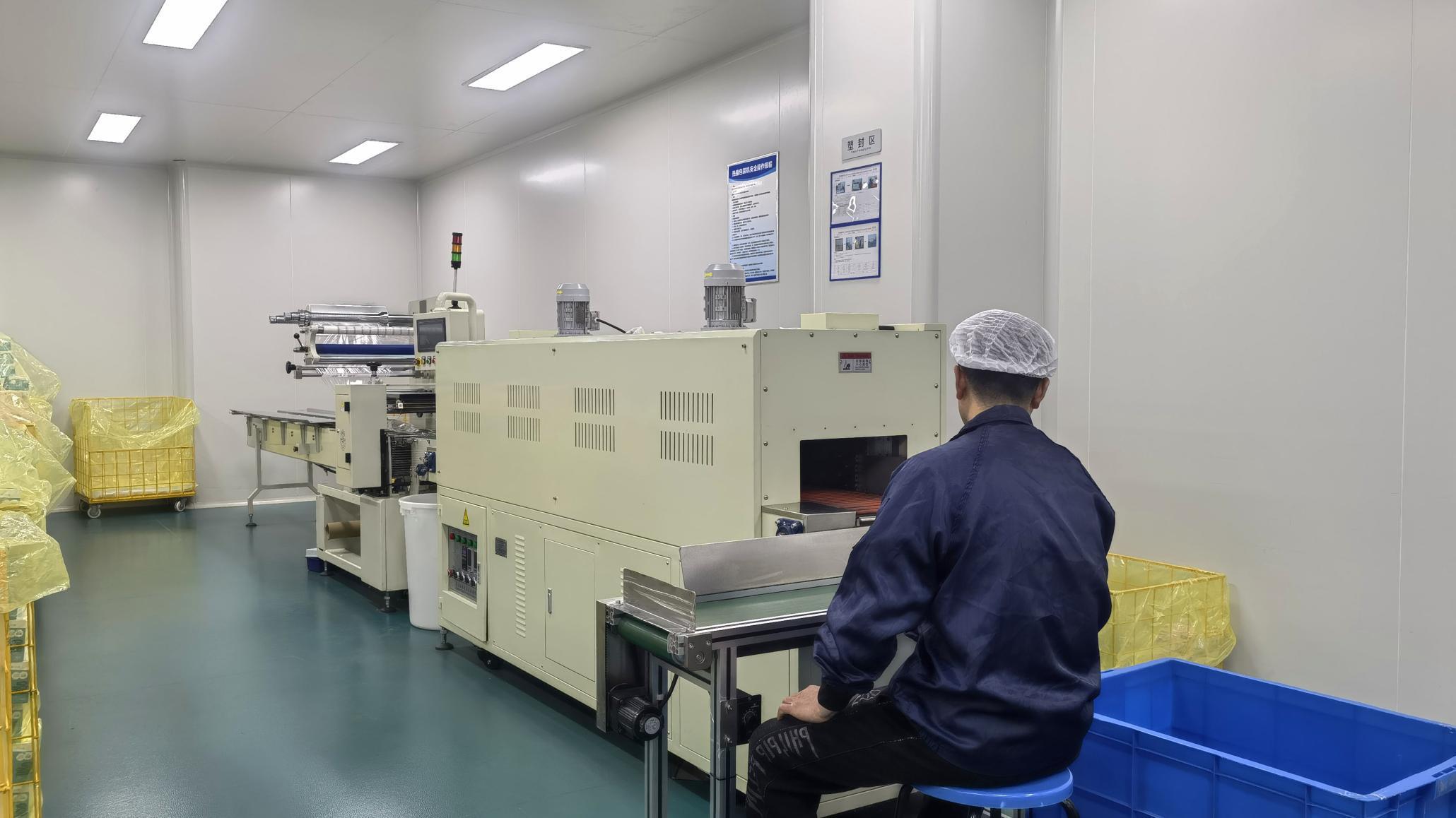
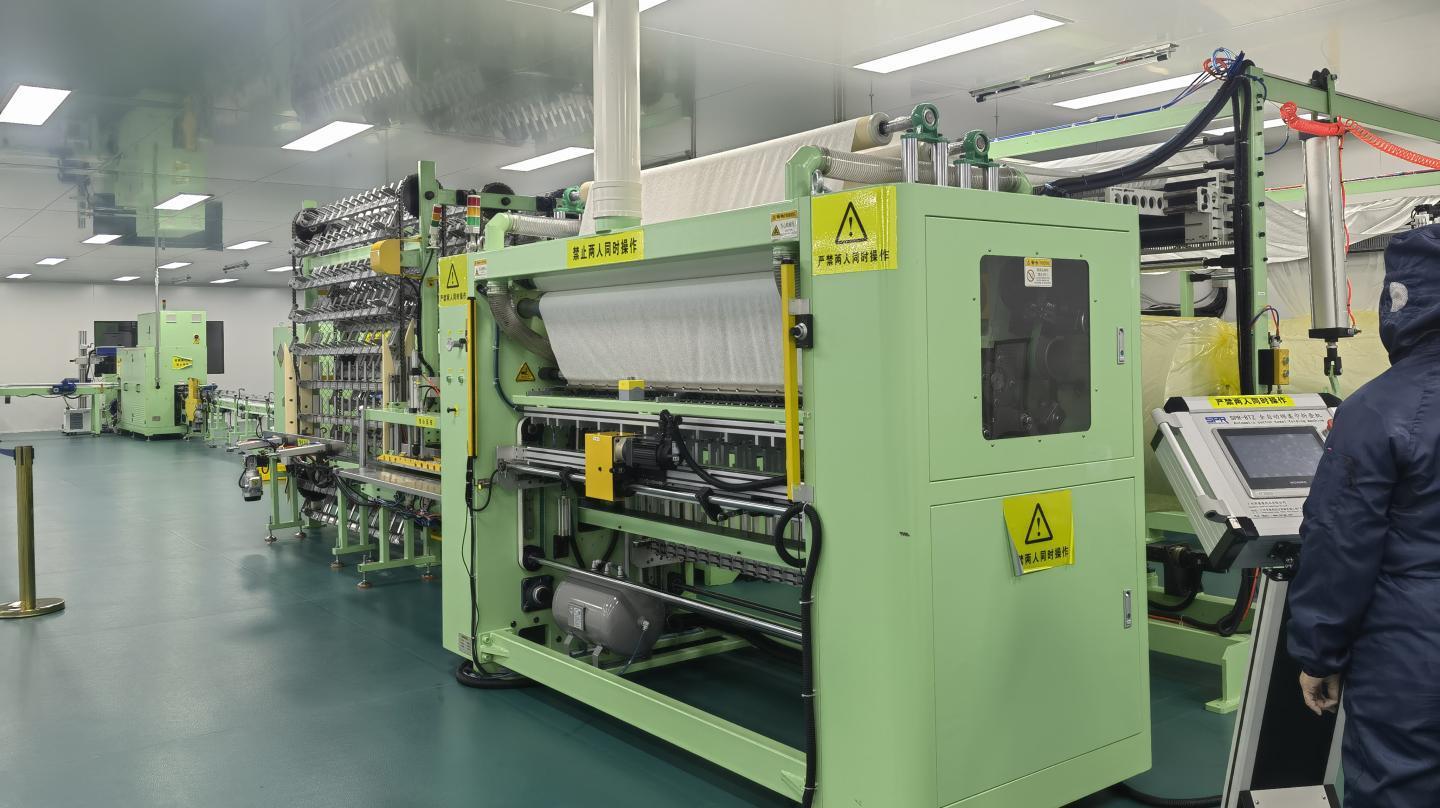
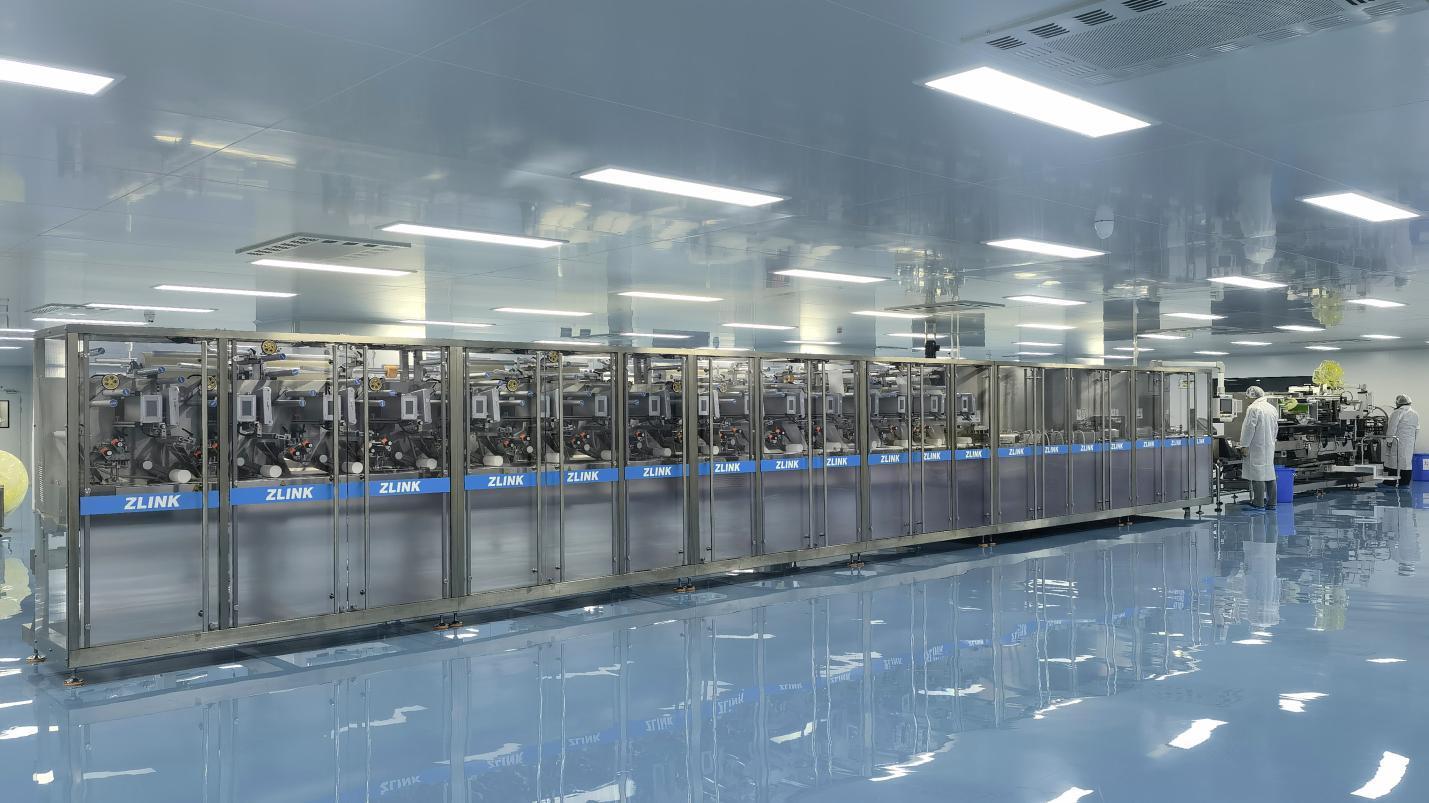
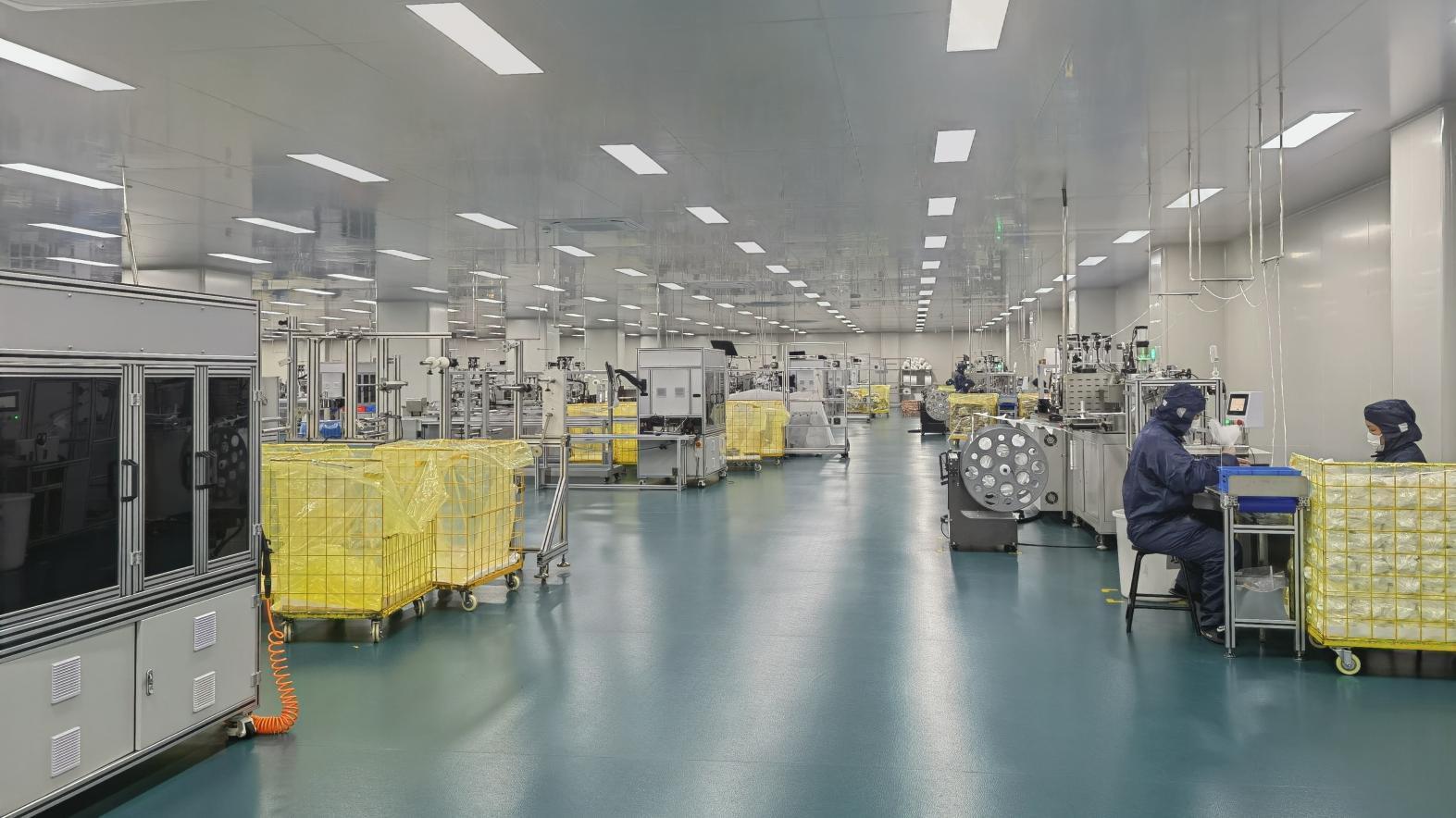
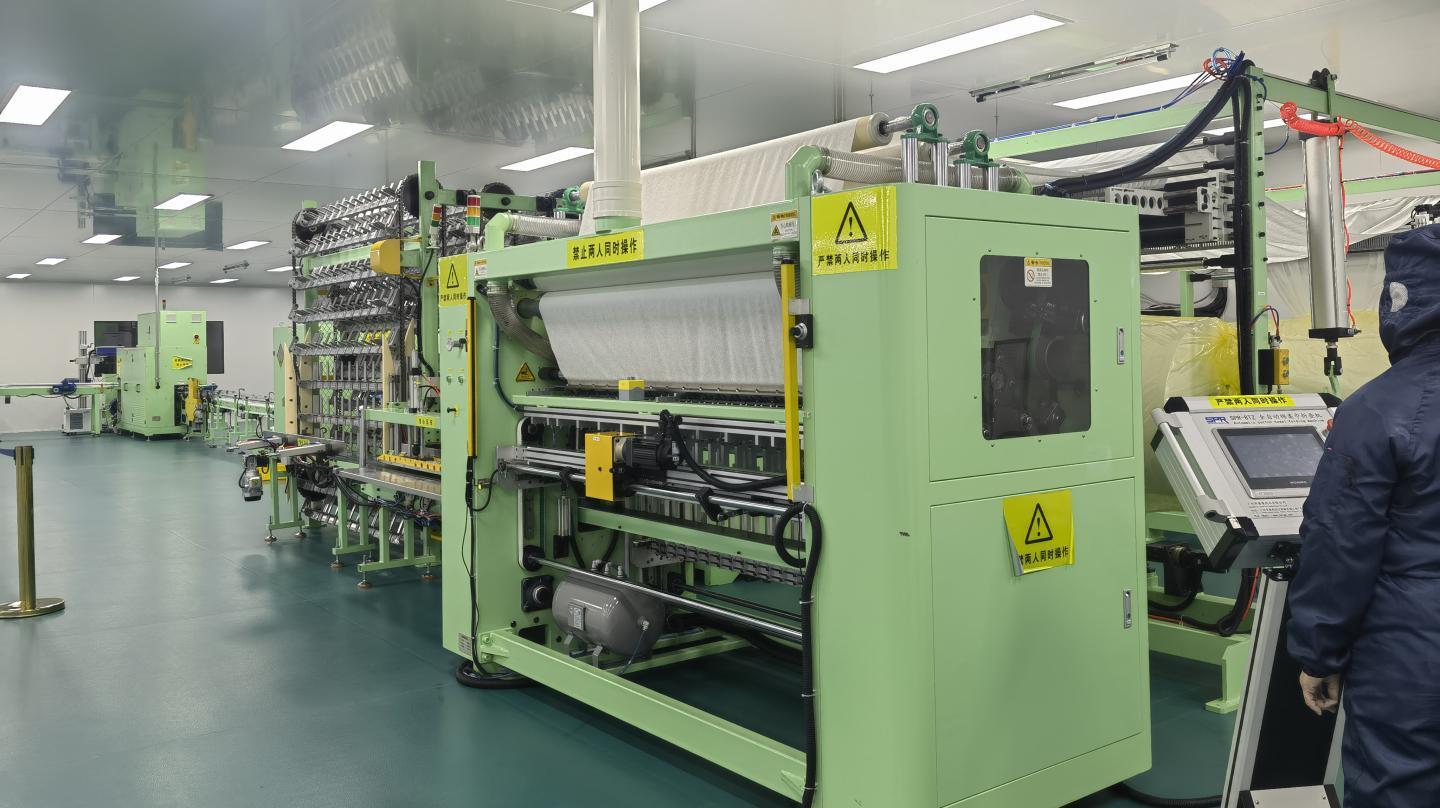
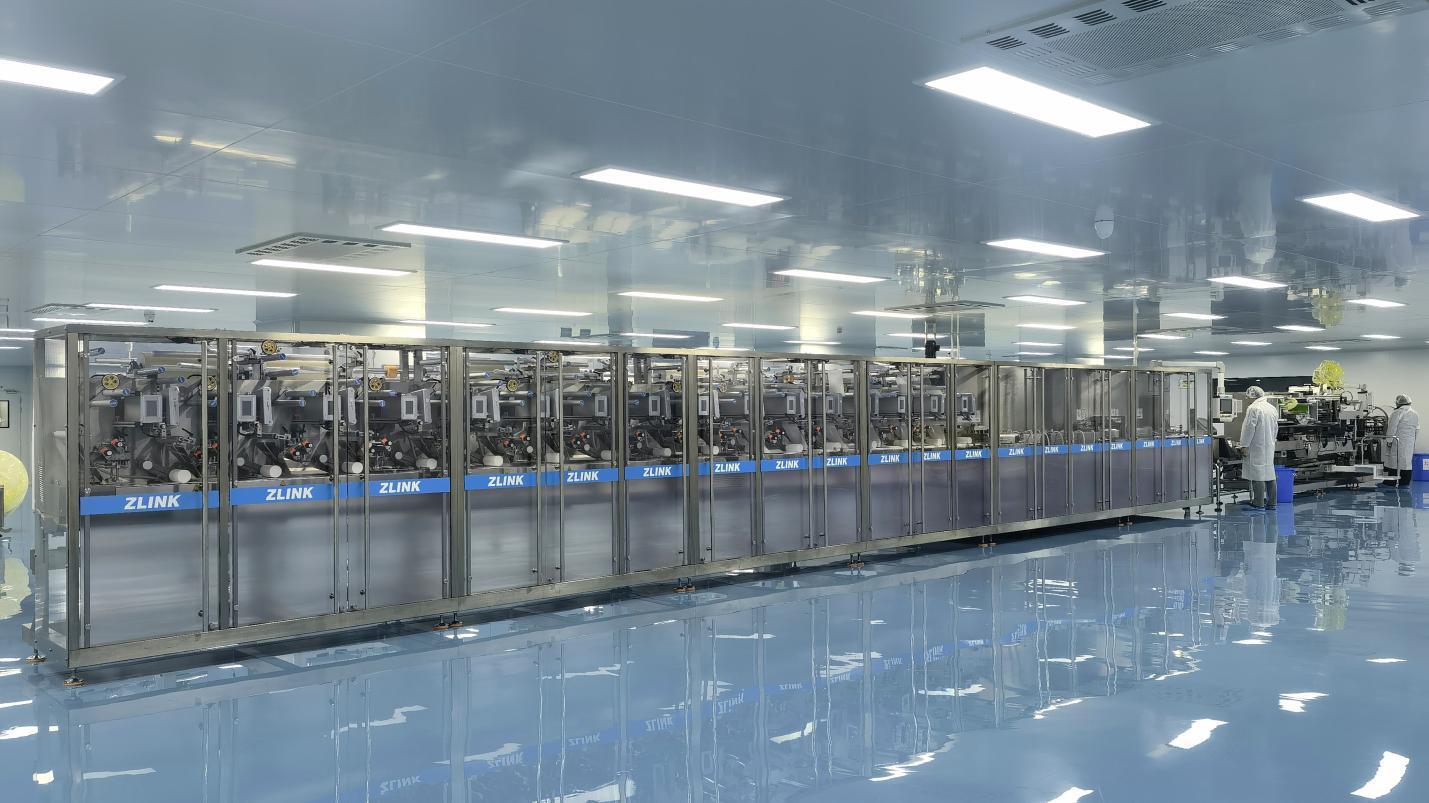
Our state-of-the-art production base in Zhejiang delivers high-volume output with rigorous quality checks to safeguard Argentine supply chains.
Zhejiang DrSharpe Health Co., Ltd. is a professional manufacturer and global supplier specializing in disposable medical and healthcare products, especially high-quality face masks and protective solutions. With strong manufacturing capabilities, advanced production technology, and strict quality management, DrSharpe is committed to providing safe, reliable, and comfortable healthcare products for customers worldwide.
Our factory is equipped with 5 fully automatic mask production machines and 12 semi-automatic mask production machines, supported by an experienced production and service team. From raw material selection to final packaging, we strictly control every production process to ensure stable quality and reliable supply. Our products are widely exported to markets including the United States, Europe, Japan, Mexico, Germany, and the United Kingdom.
Using advanced filtration materials, our masks achieve up to 99% Bacterial Filtration Efficiency (BFE) and 99% Particle Filtration Efficiency (PFE), offering excellent protection and wearing comfort. Our products comply with international standards and have obtained certifications including CE, US FDA, and US EUA.
Importing PPE into Argentina involves strict oversight by ANMAT and compliance with local safety standards. Our export team is highly experienced in preparing full technical documentation, certificates of analysis, and batch testing records that simplify the customs clearance process at Puerto de Buenos Aires.
We supply products fully tested to standard EN 149 (for classes FFP1, FFP2, and FFP3) and carry CE certifications. This ensures that Argentine distributors can confidently submit our products to local testing labs (such as INTI) for validation against national industrial safety codes. Additionally, our customizable packing lists and carton labeling conform to Argentine commercial import regulations, preventing unexpected delays in customs storage.
Everything you need to know about purchasing and importing our activated carbon masks to Buenos Aires.
Our masks utilize highly porous active carbon that operates via physical adsorption. When gaseous volatile compounds (such as formaldehyde or hydrocarbon vapors) pass through the mask, they are drawn into the microscopic pores of the carbon and held there by intermolecular forces (Van der Waals forces). This traps gaseous pollutants, leaving only clean air to pass through to the user.
For medical and high-level industrial use, masks must comply with international standards like CE (EN 149:2001+A1:2009) or US FDA standards. Importers in Argentina must register products under ANMAT (Administración Nacional de Medicamentos, Alimentos y Tecnología Médica) guidelines. DrSharpe provides full documentation packages, testing reports, and certifications to support your registration files.
Yes. Our FFP3 and multi-layered activated carbon masks are designed to capture aerosolized chemical droplets and volatile organic compounds associated with pesticides and crop dusting. For heavy agricultural operations near Buenos Aires ports and rural zones, we recommend our reusable or highly reinforced disposable carbon models.
Under sealed packaging, our masks have a shelf life of up to 3 to 5 years. Active carbon is sensitive to high environmental moisture and ambient gases, so we utilize moisture-barrier hermetic polybags for all export shipments to Argentina to protect active adsorption sites during sea transit.
Ocean freight shipping from Ningbo/Shanghai ports to Puerto de Buenos Aires usually takes 35 to 45 days. We coordinate closely with leading logistics providers to secure container space and ensure all customs manifests are prepared correctly, reducing storage times upon arrival.
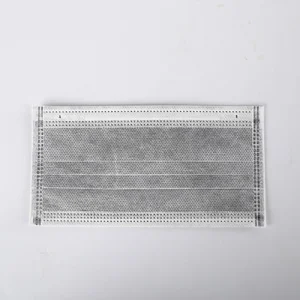
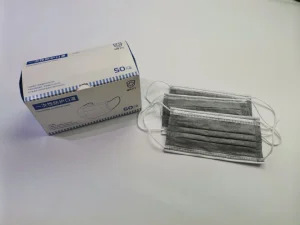
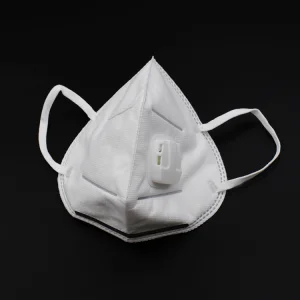
Browse our full range of gas, chemical, and particle filtration masks. High durability options for every commercial scenario in Buenos Aires.
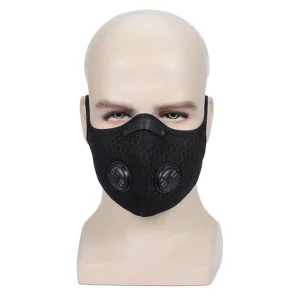
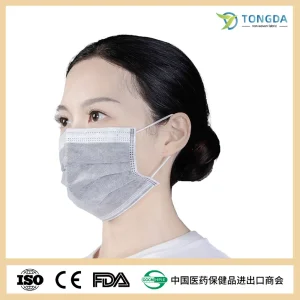
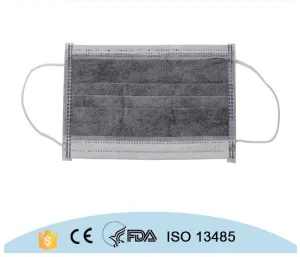
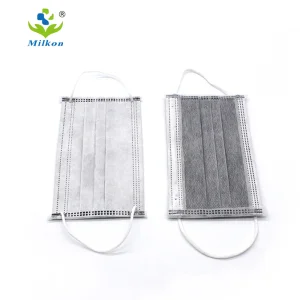
Whether you require massive industrial distribution containers or high-spec custom carbon filters for chemical laboratories in Buenos Aires, our engineering team is standing by to customize your procurement plan.
Send Inquiry Now