DrSharpe Health
DrSharpe Health
DrSharpe Health
Explore our top-tier collection of children, medical, and industrial grade anti-dust respirators designed for high-filtration efficiency.

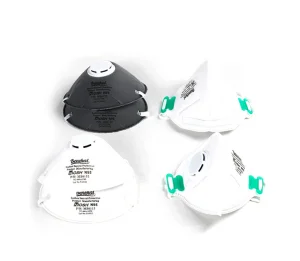
Understanding the critical trends, regulatory frameworks, and market drivers behind commercial respiratory procurement.
In modern heavy industry, microparticle filtration is no longer just a regulatory box to check; it is a vital pillar of occupational health management. Around the globe, regulatory authorities such as OSHA (Occupational Safety and Health Administration) in the United States and the European Agency for Safety and Health at Work have implemented rigid particulate limits. Particulate matters such as crystalline silica dust, asbestos, coal dust, and toxic aerosol chemical clouds present acute risks to workers in mining, petrochemical, construction, and manufacturing sectors.
The global demand for anti-dust and respiratory protective equipment (RPE) is undergoing a structural shift. Buyers are moving away from basic low-filtration shields toward certified particulate respirators (like N95, KN95, FFP2, and FFP3). Driven by rising industrial safety awareness in developing regions and standardizations in developed nations, the global anti-dust mask market is projected to expand at an unprecedented rate, placing significant pressure on global supply chains to deliver consistent, certified products.
Global regulatory bodies are reducing permissible exposure limits (PEL) for hazardous silica and particulate matter.
The core layer filtration relies on highly engineered electrostatic polymers that capture sub-micron particulates.
Industrial organizations require direct-to-factory integrations to guarantee bulk safety-stock margins.
China represents the epicenter of global protective wear manufacturing. The comparative advantage of Chinese factories is not merely based on labor cost efficiency, but rather on complete supply chain integration. In coastal manufacturing hubs like Zhejiang, factories operate in close geographic proximity to raw material providers (polypropylene suppliers, elastic cord manufacturers, and non-woven fabric mills) which eliminates transit bottlenecks and ensures steady production flow.
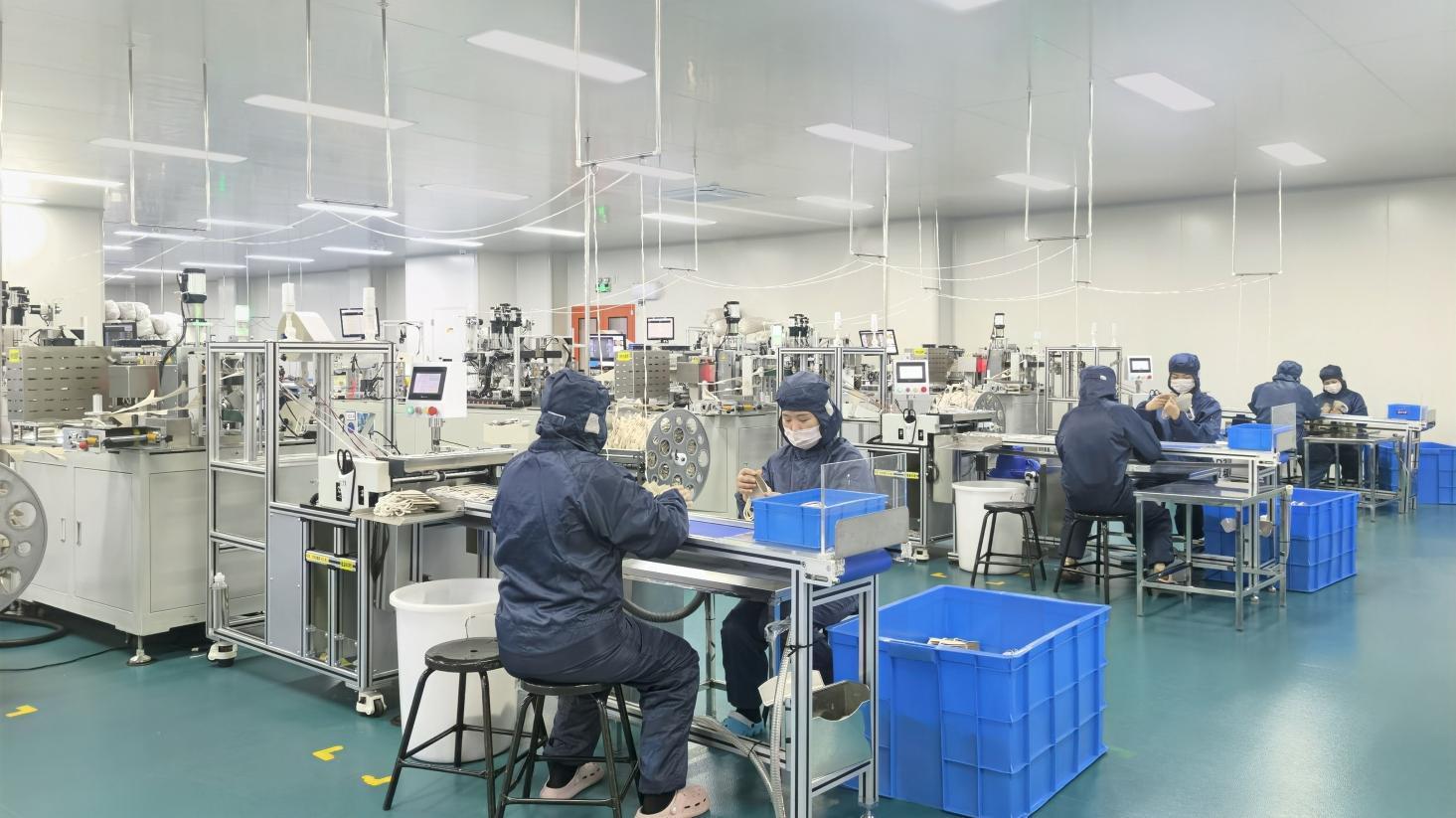
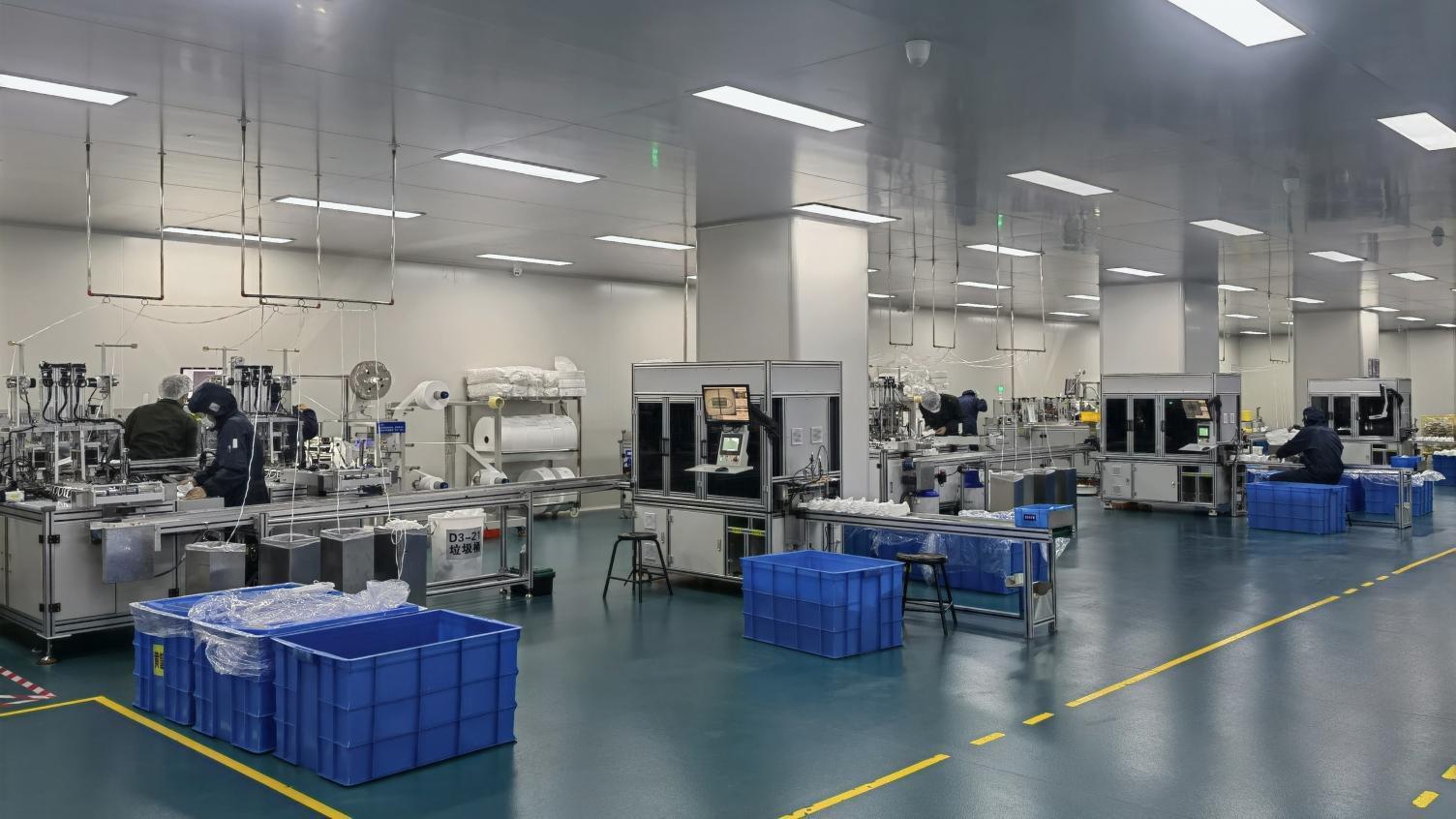
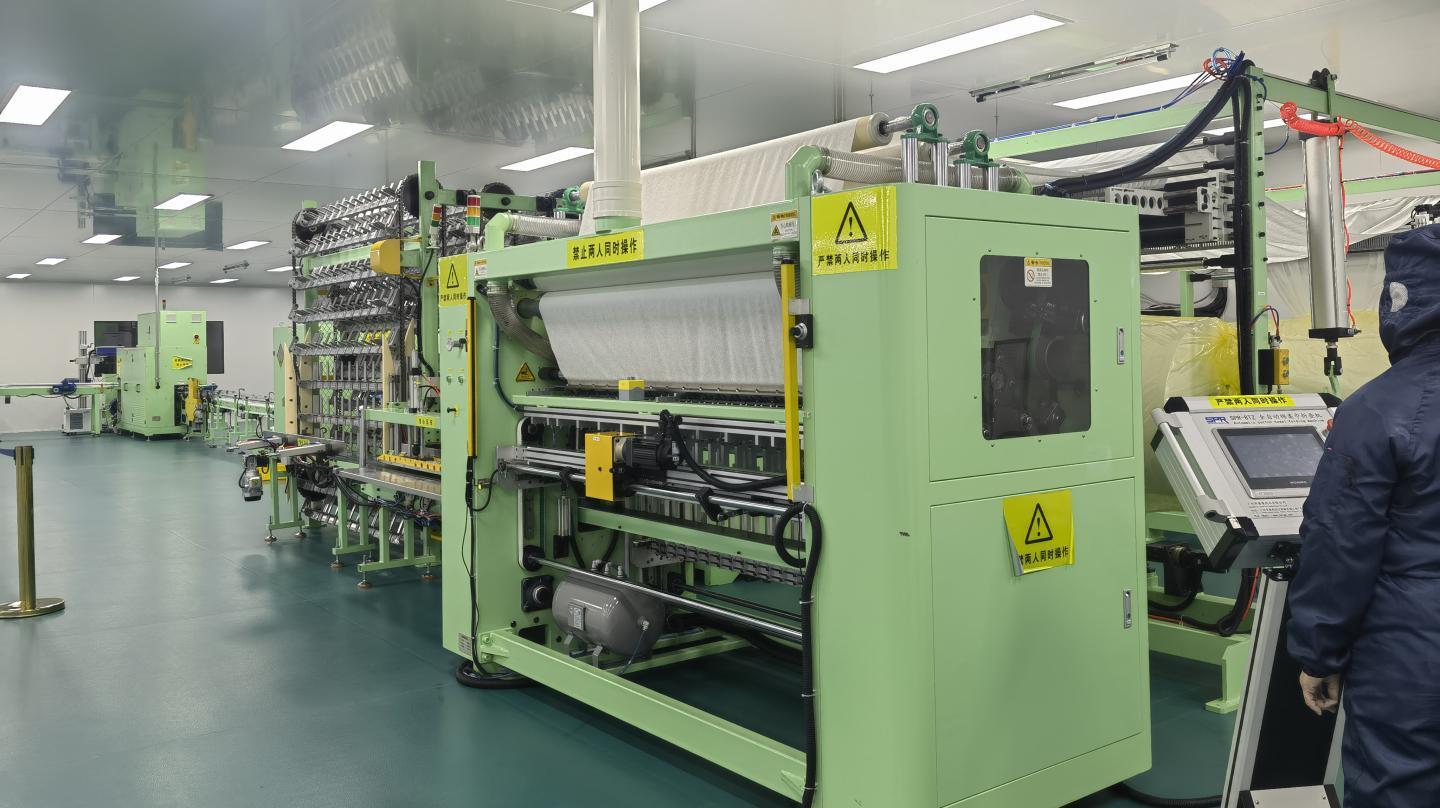
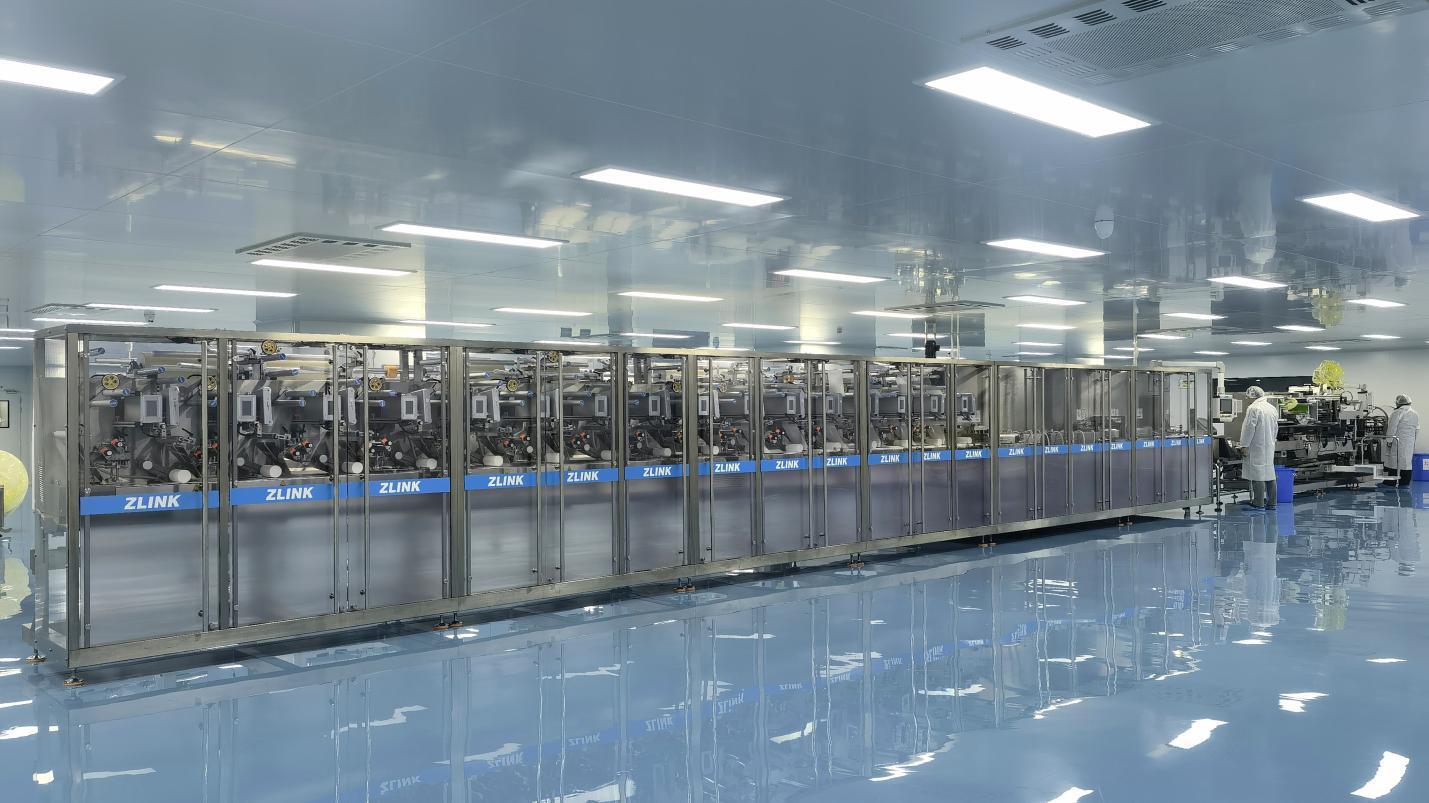
Furthermore, top-tier factories have embraced Industry 4.0 automation systems. Automated ultrasonic welding, high-speed automated packaging lines, and real-time visual inspection systems ensure that production speeds are maximized while error rates are minimized. A single automated line can yield tens of thousands of certified 3D face masks daily, allowing manufacturers to comfortably handle massive international orders with shortened lead times.
| Procurement Factor | Standard Local Supply Chain | Integrated China Supply Cluster |
|---|---|---|
| Raw Material Sourcing | Multi-vendor international dependencies, high shipping costs | Direct local pipelines (e.g. Sinopec chemical fibers nearby) |
| Automation Levels | Semi-automatic line operations requiring manual checks | Fully automated lines with real-time AI optical sorting |
| Lead Times (Bulk orders) | 45 - 90 Days due to structural bottlenecks | 15 - 30 Days under direct production routing |
| Compliance Verification | Fragmented local testing protocols | Consolidated ISO, CE, FDA, and NIOSH certified pipelines |
Matching the right respiratory protection with the specific environment is critical for optimal safety.
Depending on the hazard level, workers require distinct classifications of masks. Using a standard 3-ply surgical mask in a hazardous chemical plant is ineffective, just as deploying a complex tactical respirator for daily public dust protection is economically inefficient.
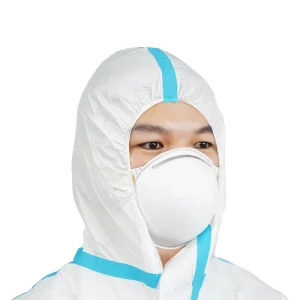
Requires FFP2 / FFP3 / N95 respirators to defend against abrasive crystalline silica dust, metal shavings, and concrete particles.
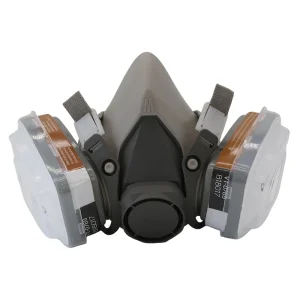
Requires Half-Face or Full-Face Gas Mask Respirators with dual activated carbon filter cartridges to filter out formaldehyde, pesticide mist, and organic solvents.
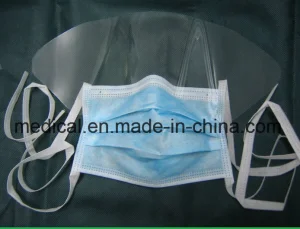
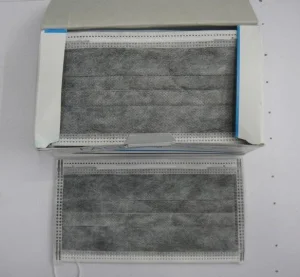
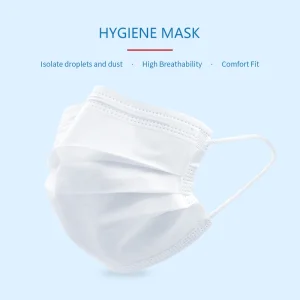
Requires 3-Ply Non-Woven Surgical Face Masks with Shield. Designed to block fluids, blood splatter, and airborne pathogens (BFE >99%).
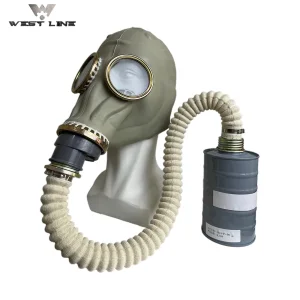
Employs Nuclear Chemical Tactical Full Face Gas Respirators equipped with 40mm activated carbon filters to defend against toxic chemical agents.
Utilizes comfortable, lightweight KN95/KF94 3D Masks or eco-friendly RPET washable fashion masks to filter out PM2.5 soot and traffic pollution.
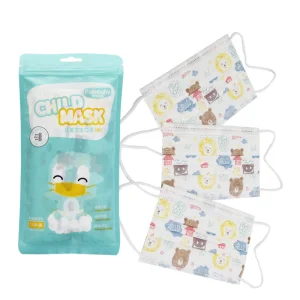
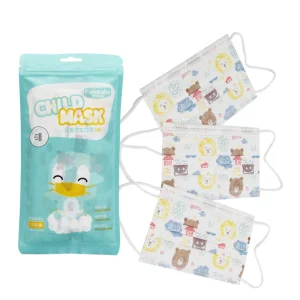
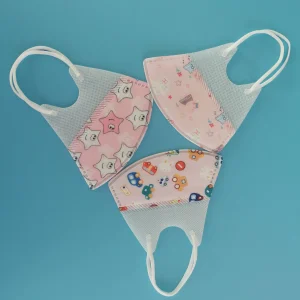
Requires specifically sized 3D Children Protective Masks with soft elastic ear loops to ensure an airtight seal on smaller facial profiles.
The respiratory protection industry is undergoing rapid innovation. The environmental footprint of billions of discarded plastic-based masks has accelerated the demand for sustainable alternatives. Industry leaders are introducing Recycled Polyethylene Terephthalate (RPET) fabrics, biodegradable non-woven polymers, and cotton-blend reusable variations equipped with interchangeable electrostatic filters.
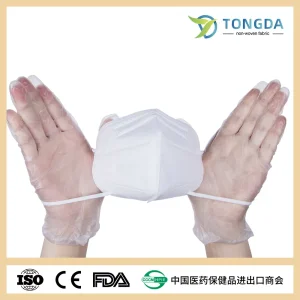
Simultaneously, ergonomic 3D modeling has revolutionized mask structures. Traditional flat-fold designs are being replaced by customized 3D cup and fish-shapes (such as the KF94 style). This shape increases the breathing chamber volume, preventing the filter fabric from collapsing onto the mouth and nose. This optimization significantly reduces breathing resistance and sweat buildup, improving shift-long compliance in industrial zones.
For procurement managers at multinational enterprises, verifying manufacturer credentials is the most critical step. Global compliance requires verifying standard certifications through international verification portals. Use this checklist prior to committing to bulk volume orders:
Professional manufacturer and global supplier specializing in high-quality face masks and protective solutions.
Zhejiang DrSharpe Health Co., Ltd. is a professional manufacturer and global supplier specializing in disposable medical and healthcare products, especially high-quality face masks and protective solutions. With strong manufacturing capabilities, advanced production technology, and strict quality management, DrSharpe is committed to providing safe, reliable, and comfortable healthcare products for customers worldwide.
Fully Automatic Production Lines
Semi-Automatic Production Lines
BFE & PFE Filtration Efficiency
CE, FDA, & EUA Approved
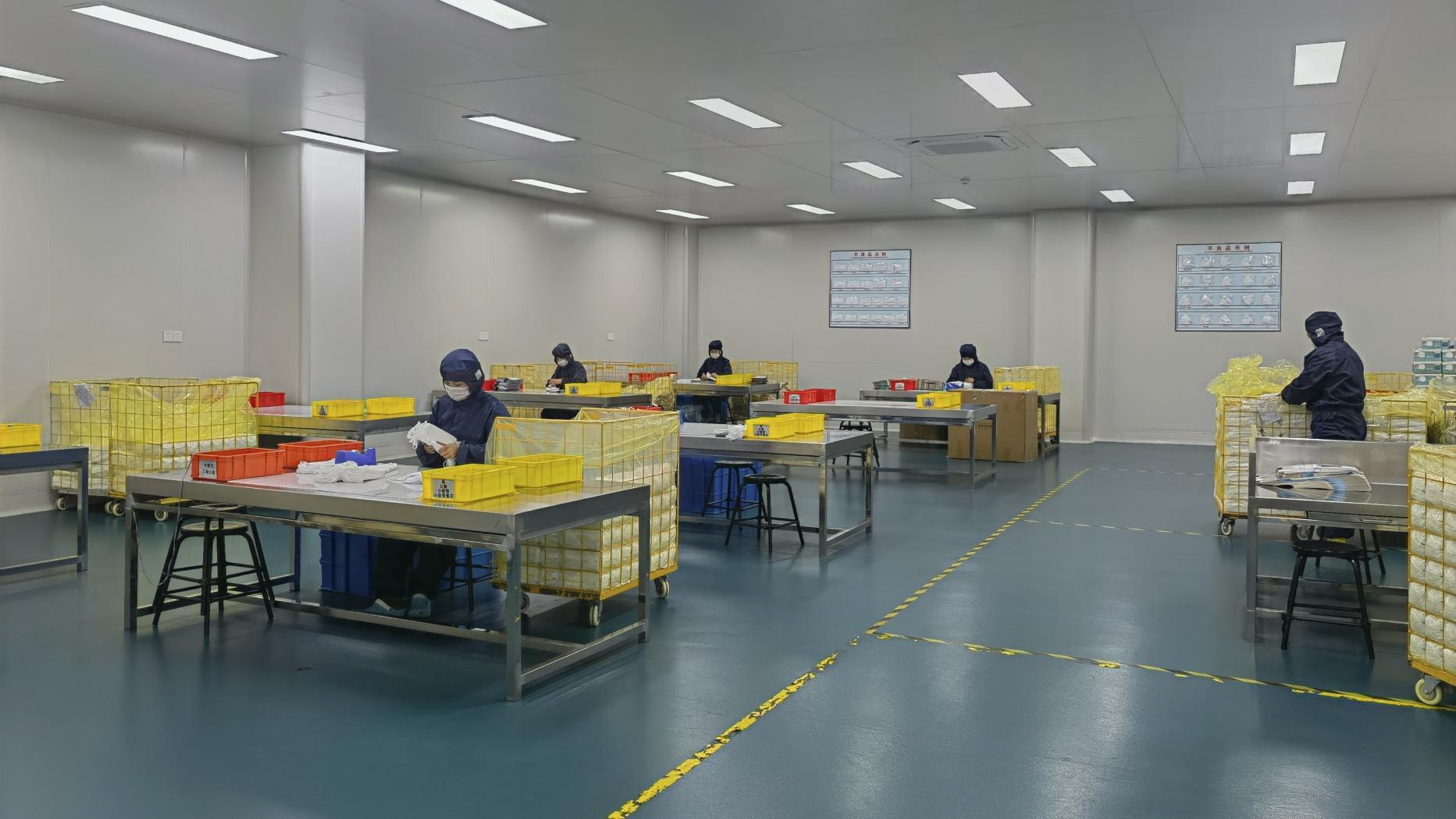
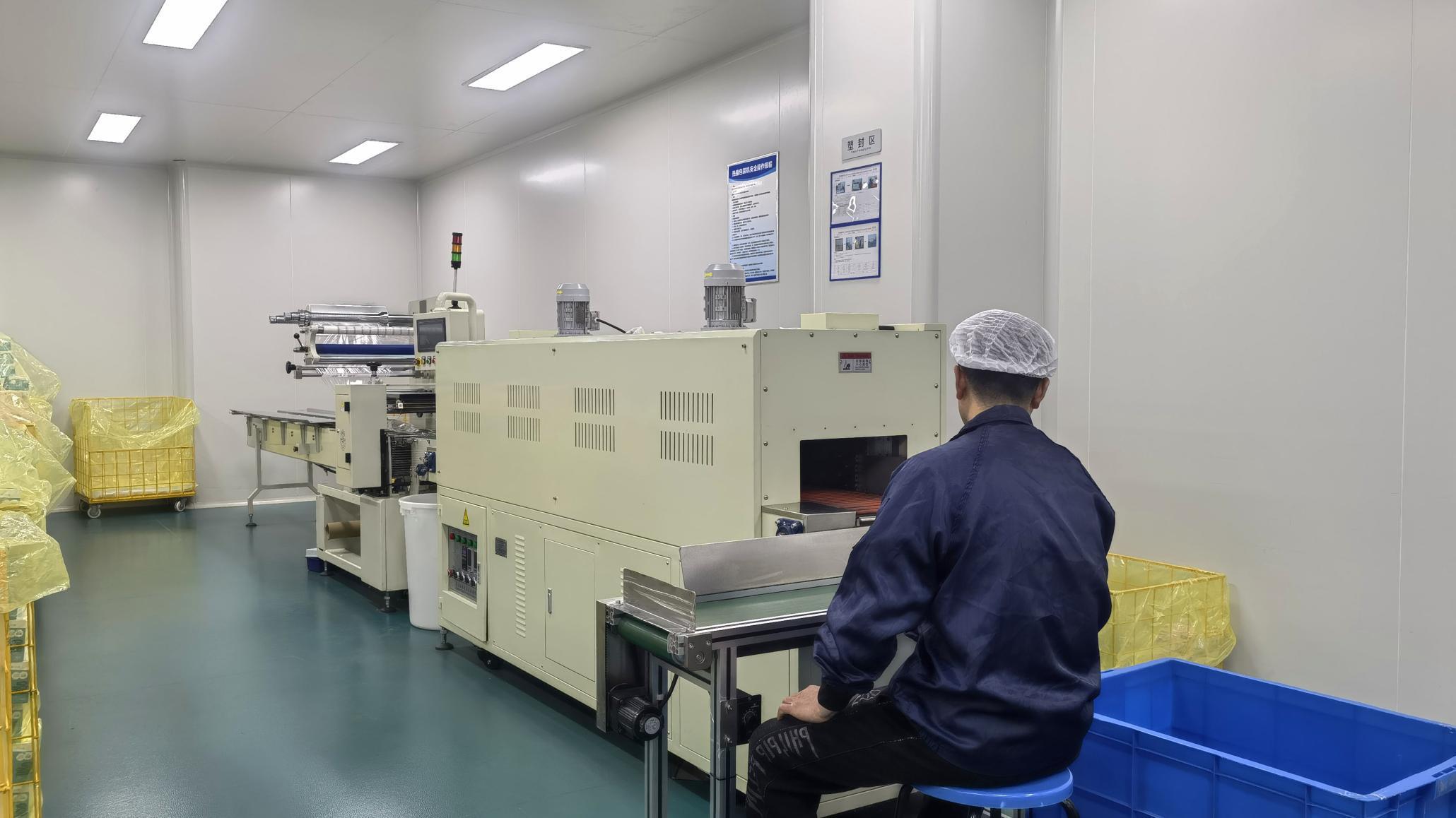
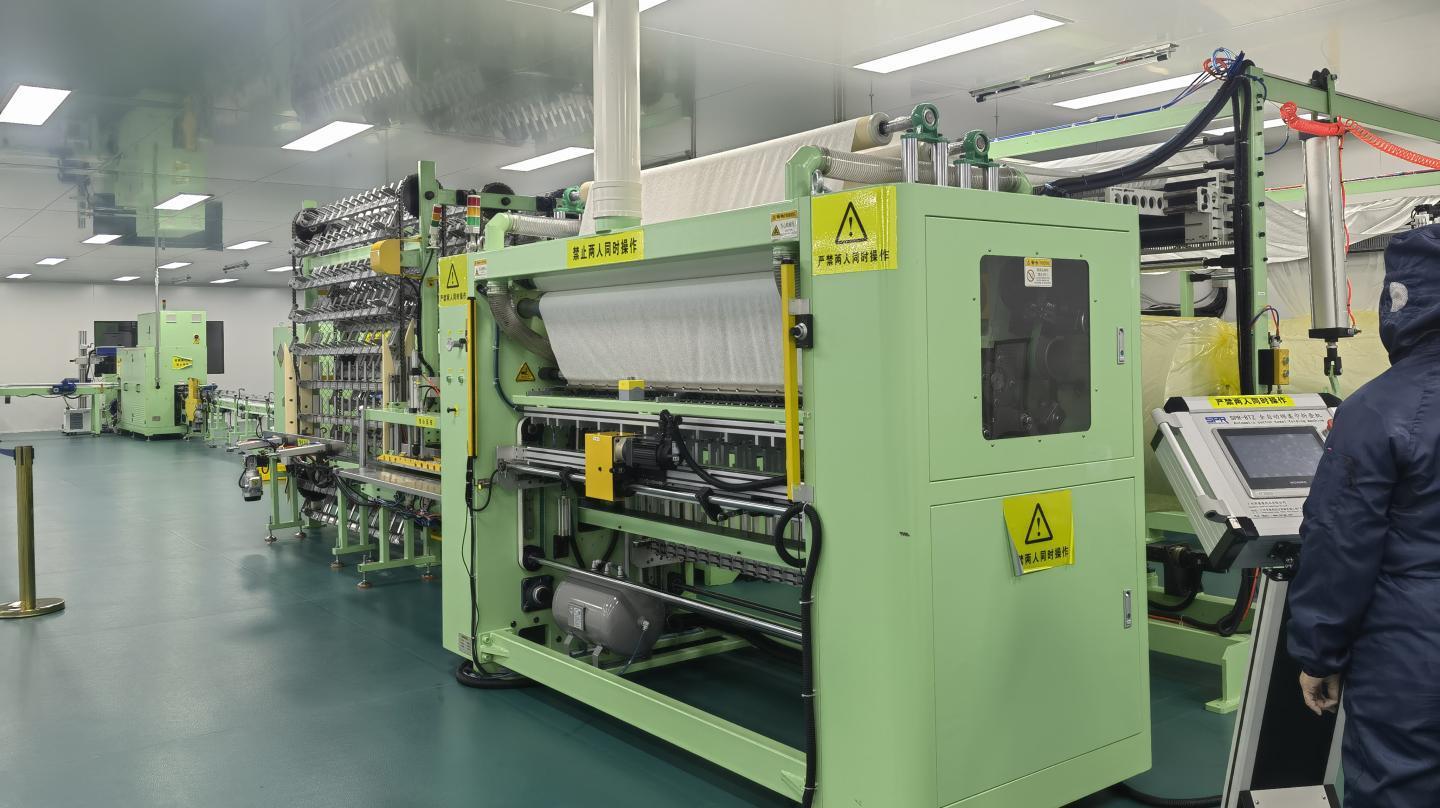
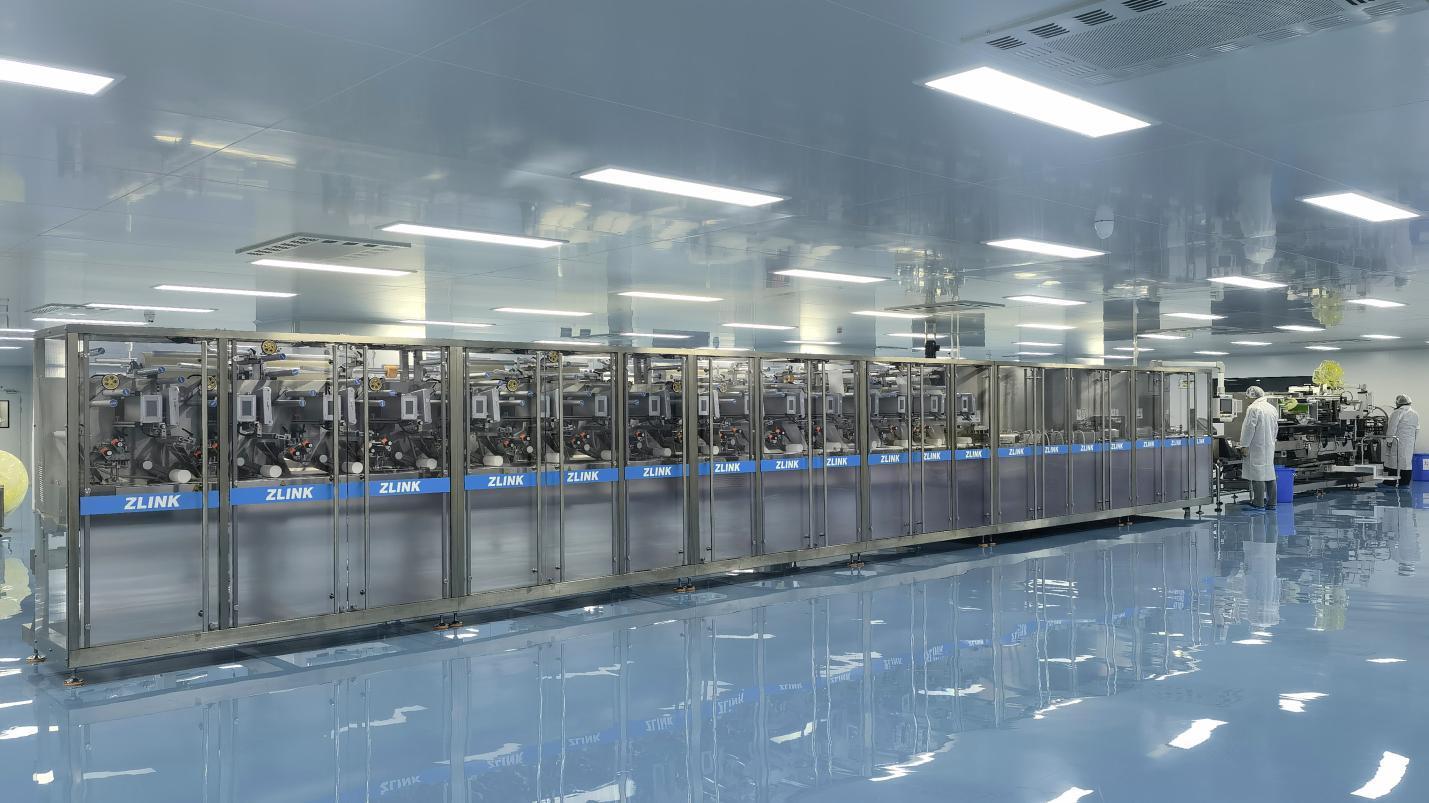
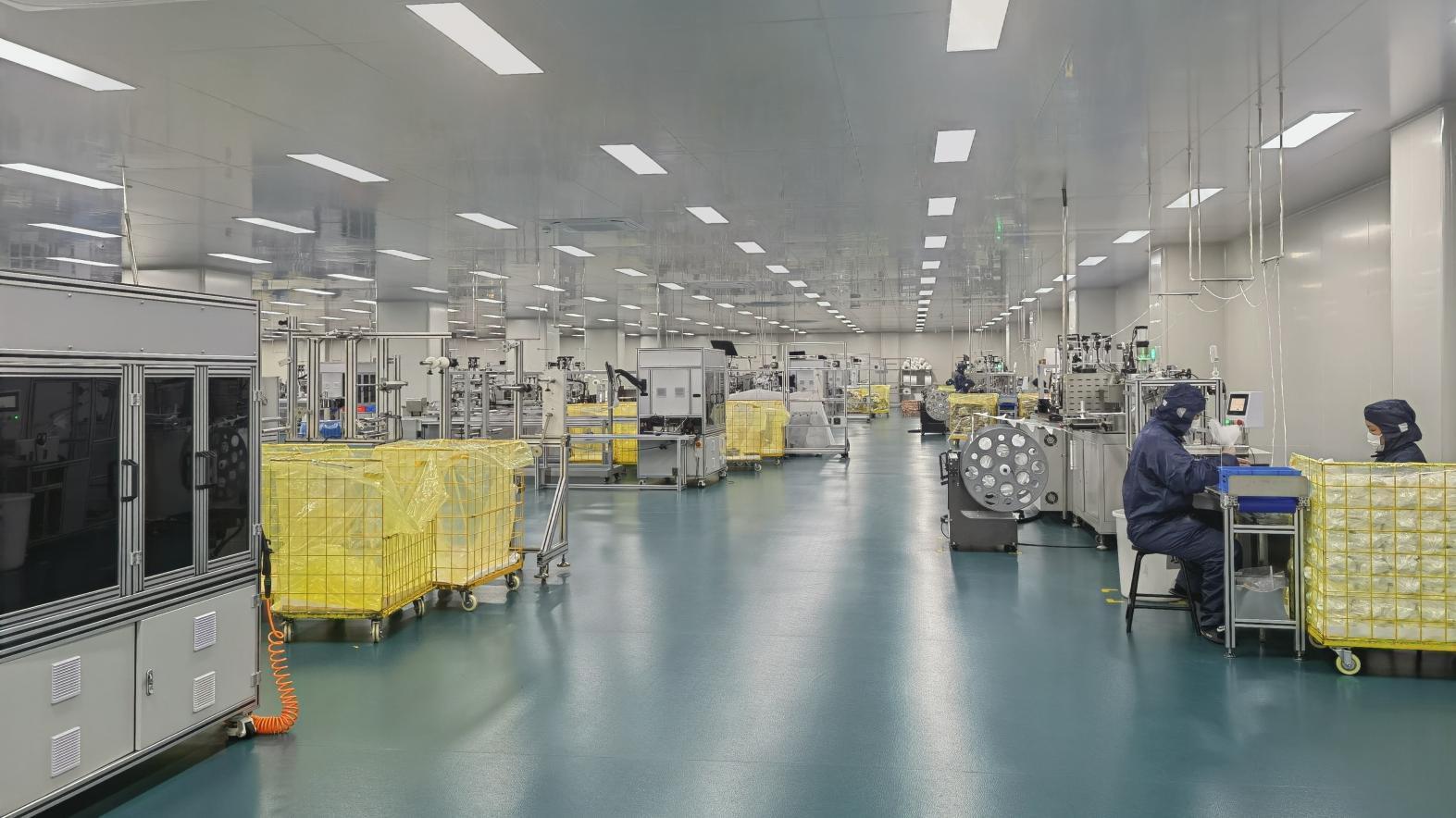
Our factory is equipped with 5 fully automatic mask production machines and 12 semi-automatic mask production machines, supported by an experienced production and service team. From raw material selection to final packaging, we strictly control every production process to ensure stable quality and reliable supply. Our products are widely exported to markets including the United States, Europe, Japan, Mexico, Germany, and the United Kingdom.
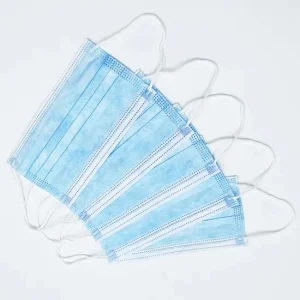
DrSharpe mainly provides disposable face masks and related healthcare products for medical, personal protection, and daily use applications. Using advanced filtration materials, our masks achieve up to 99% Bacterial Filtration Efficiency (BFE) and 99% Particle Filtration Efficiency (PFE), offering excellent protection and wearing comfort. Our products comply with international standards and have obtained certifications including CE, US FDA, and US EUA.
Driven by innovation, quality, and customer satisfaction, Zhejiang DrSharpe Health Co., Ltd. continues to deliver trusted healthcare solutions and build long-term partnerships with customers around the world.
Addressing top queries raised by global procurement departments, site safety officers, and quality control engineers.
These are certifications based on different regional regulatory standards. N95 is the US NIOSH standard, KN95 is the Chinese national standard (GB2626), and FFP2 is the European standard (EN 149). All three standards offer comparable filtration, requiring a minimum of 94% (FFP2) or 95% (N95/KN95) filtration efficiency against non-oil-based particulates. FFP2 certifications also require testing against oil aerosol particulates.
The meltblown layer is the filter medium within the mask. Electrostatic charging applied to the meltblown fibers attracts and captures sub-micron particulates. Higher-grade meltblown layers ensure the mask reaches >99% BFE and PFE standards without creating an excessive airflow barrier that makes breathing difficult.
A reusable RPET (recycled polyester) fashion mask acts as a protective shield against dust and pollution. When combined with a PM2.5 pocket insert or a built-in electrostatic meltblown filter, they can achieve high levels of particulate filtration while significantly reducing plastic waste.
Unused protective masks generally have a shelf life of 3 to 5 years when stored in original unopened packaging away from direct sunlight, extreme temperatures, and excessive humidity. High humidity can degrade the electrostatic charges on the meltblown layer over time, reducing overall filtration efficiency.
Tactical respirators are built with heavy-duty chemical-resistant polymers (such as silicone or neoprene) and utilize a 40mm threaded interface for activated carbon filter canisters. Unlike standard disposable masks, they provide eye protection, a complete airtight skin-seal, and filter organic vapors, chemical gases, and hazardous tactical particulates.
Explore our advanced range of respirators, clinical masks, and protective equipment for industrial and daily use.