DrSharpe Health
DrSharpe Health
DrSharpe Health
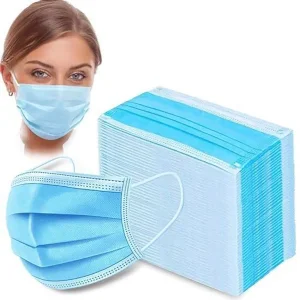
Explore our foundational range of particulate respirators and surgical face masks featuring adjustable nose clips.
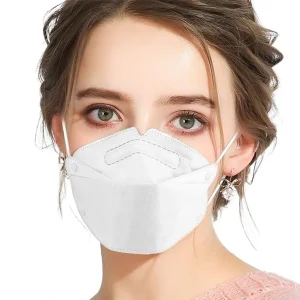
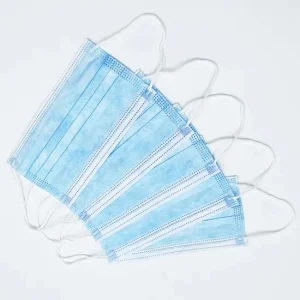
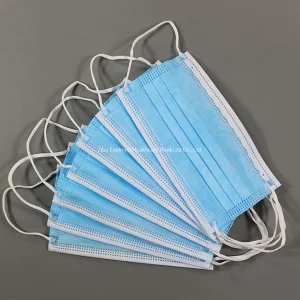
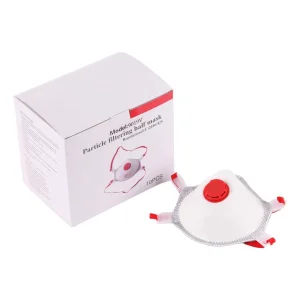
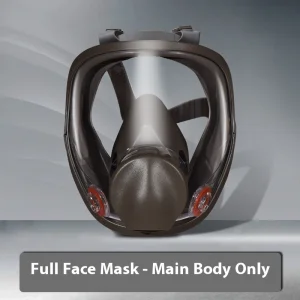
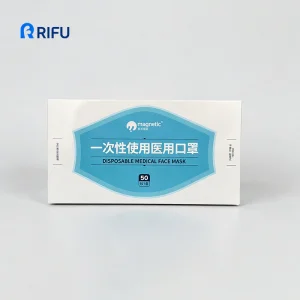
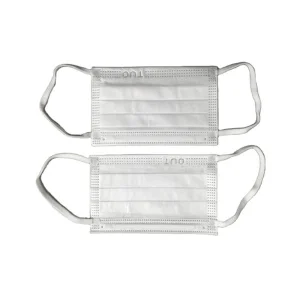
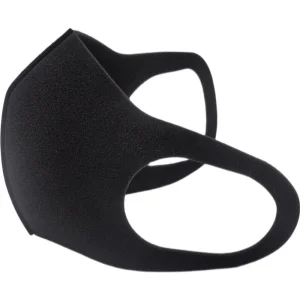
The global demand for high-efficiency filtration media has evolved past simple non-woven barriers. Modern personal protective equipment (PPE) relies on a delicate synergy between multi-layer electrostatic material engineering and structural fit. As leading face mask with nose clip manufacturers, our R&D underlines a fundamental truth of aerosol physics: *even the highest-grade filter material is rendered ineffective if air bypasses the barrier through structural gaps.*
A nose clip is not merely an comfort feature; it is the structural anchor of the entire facial seal. When a user inhales, negative pressure draws air through the path of least resistance. In a mask with a poorly formed or absent nose clip, up to 60% of the air bypasses the filtration layers, entering through gaps around the nasal bridge. An adjustable, high-retention nose clip creates a localized seal, forcing inhaled and exhaled air through the meltblown layer. This minimizes fogging on eyewear and, more importantly, ensures that the mask delivers its rated 99% Particle Filtration Efficiency (PFE).
Our engineering team at Zhejiang DrSharpe Health Co., Ltd. continuously tests the mechanical deflection and memory-retention profiles of metal core and thermoplastic-coated nose bands. By optimizing the metal thickness and wire gauge, we ensure the mask remains securely fitted during speech, jaw movement, and extended wear cycles.
"A mask's effective protection is equal to the filtration media efficiency multiplied by the seal integrity. If the seal has a 2% gap area, the total protection level drops by over 50%, regardless of whether the filter is rated at N95 or 99% BFE."
Historically, protective face covers featured single-wire plastic elements that suffered from "elastic creep"—the tendency of a bent material to return slowly to its original flat shape. Today, high-precision manufacturing favors dual-core metal cores enveloped in medical-grade polyethylene. This structure provides high structural memory, allowing the nose clip to maintain its shape over a 12-hour work shift.
Furthermore, in the context of eco-conscious global sourcing, manufacturers are actively transitioning to biodegradable polymers for the nose wire sheath and looking into recyclable materials that do not compromise the rigid structural requirement of the nasal seal. Zhejiang DrSharpe is at the forefront of this shift, testing bio-based resins and ultra-thin aluminum inserts that reduce carbon footprint without sacrificing safety margins.
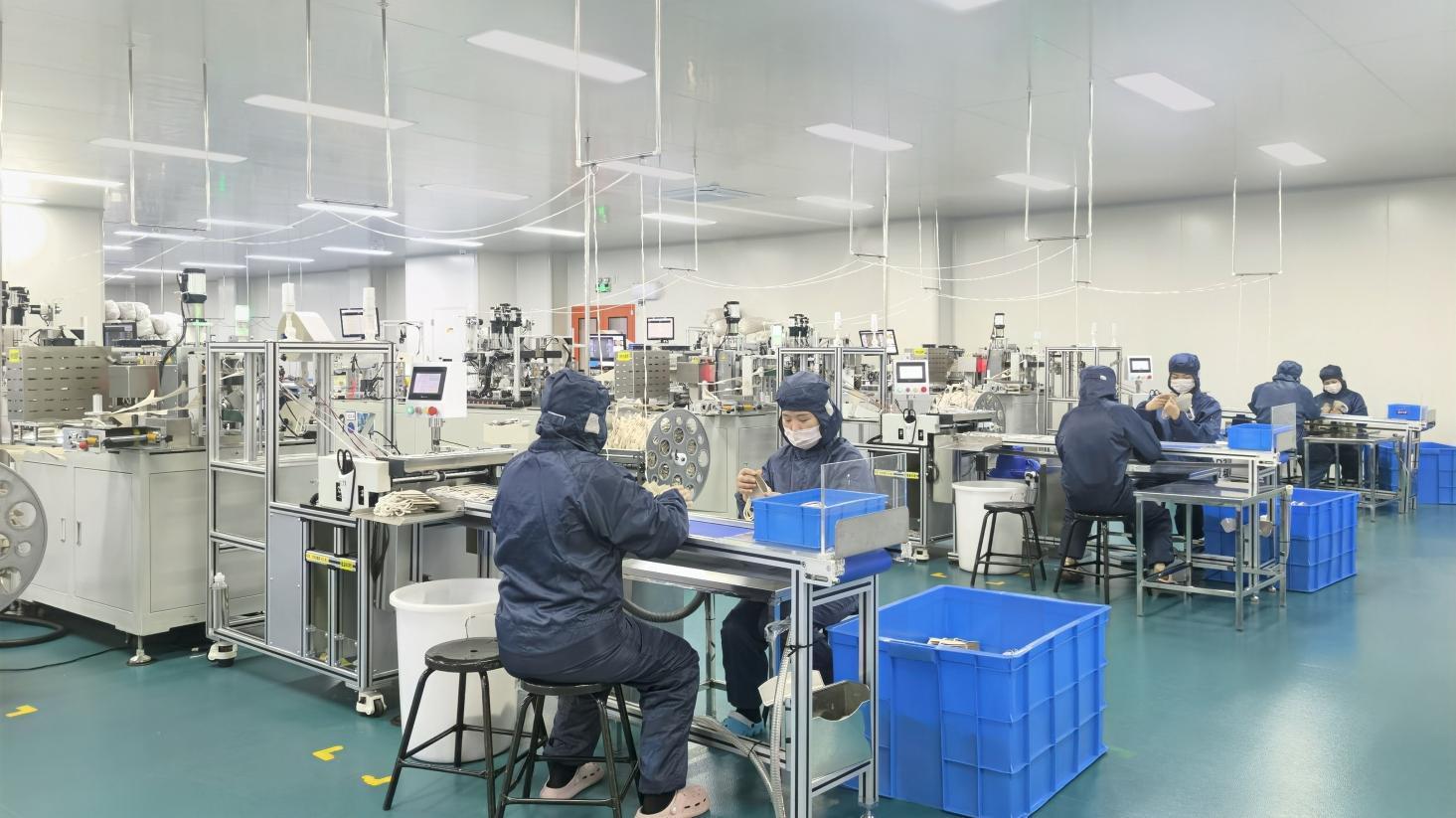
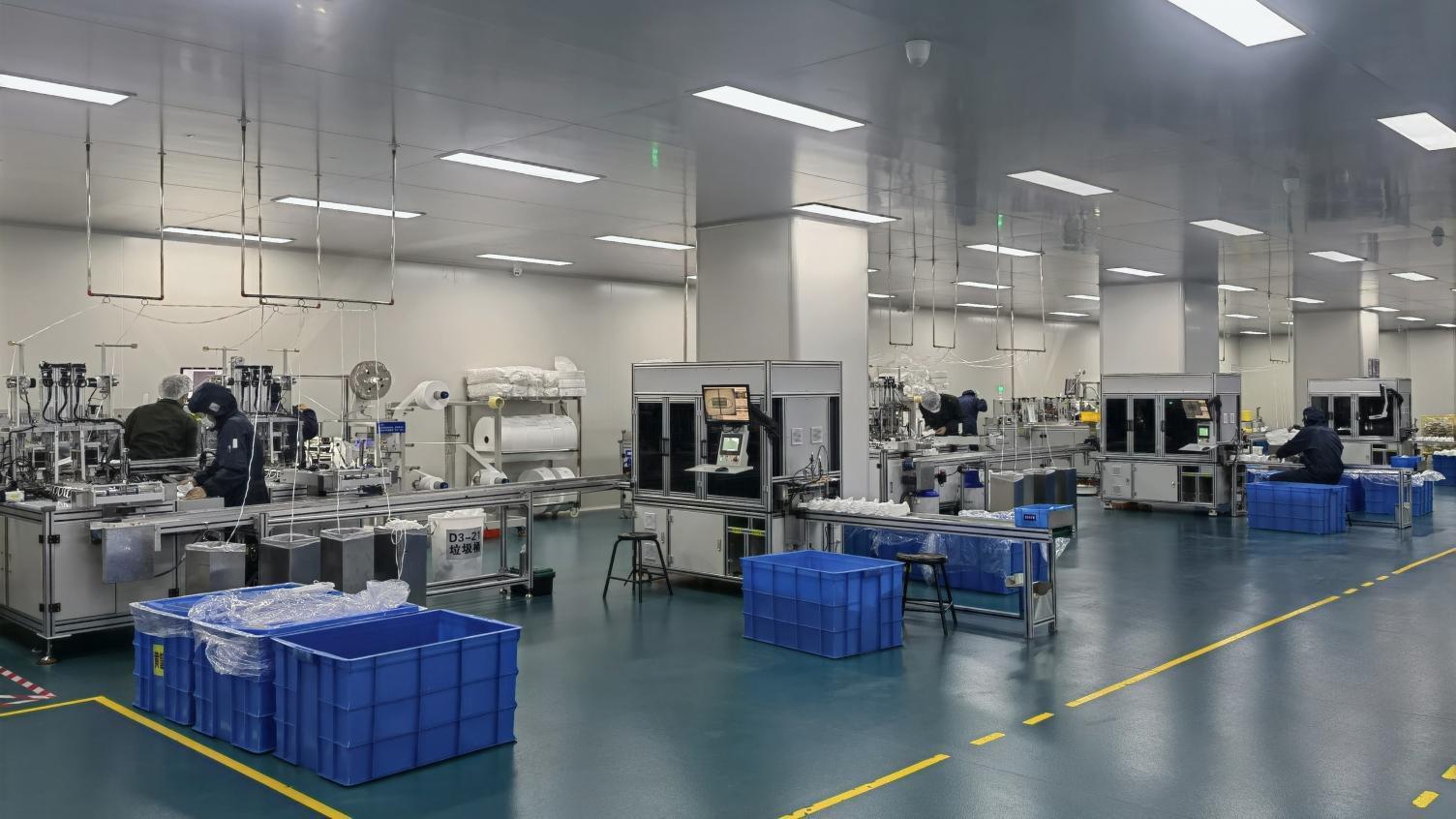
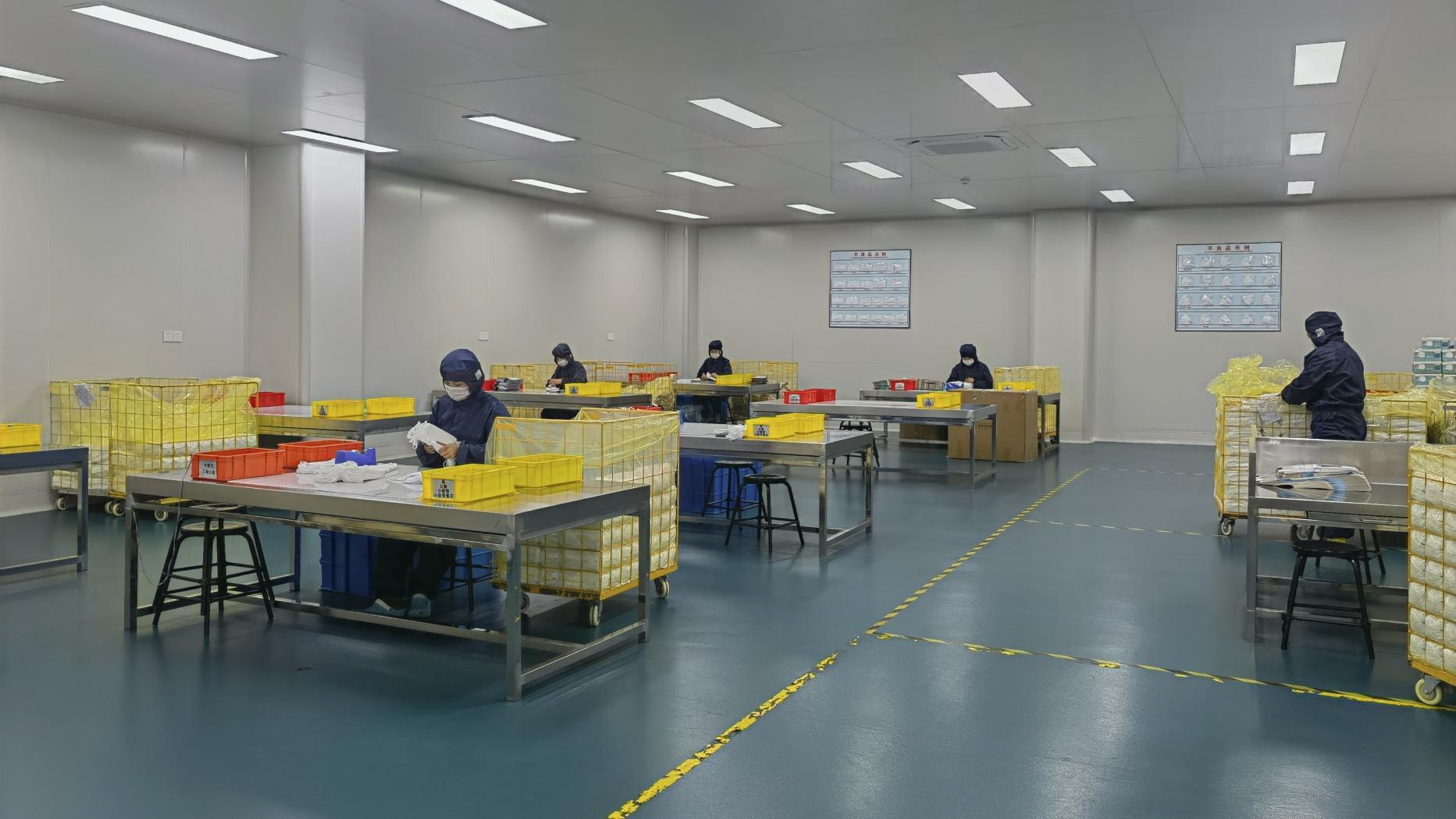
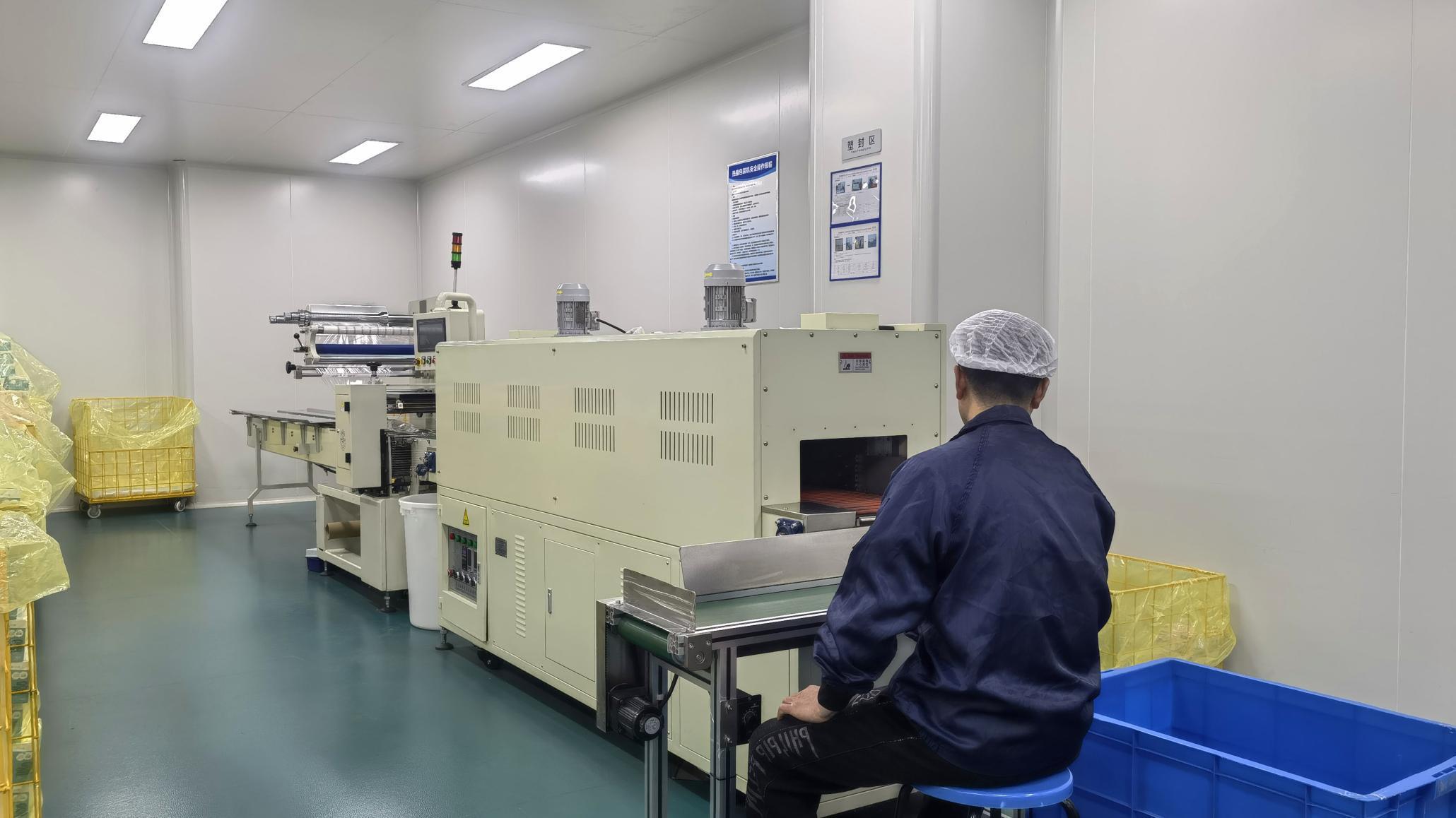
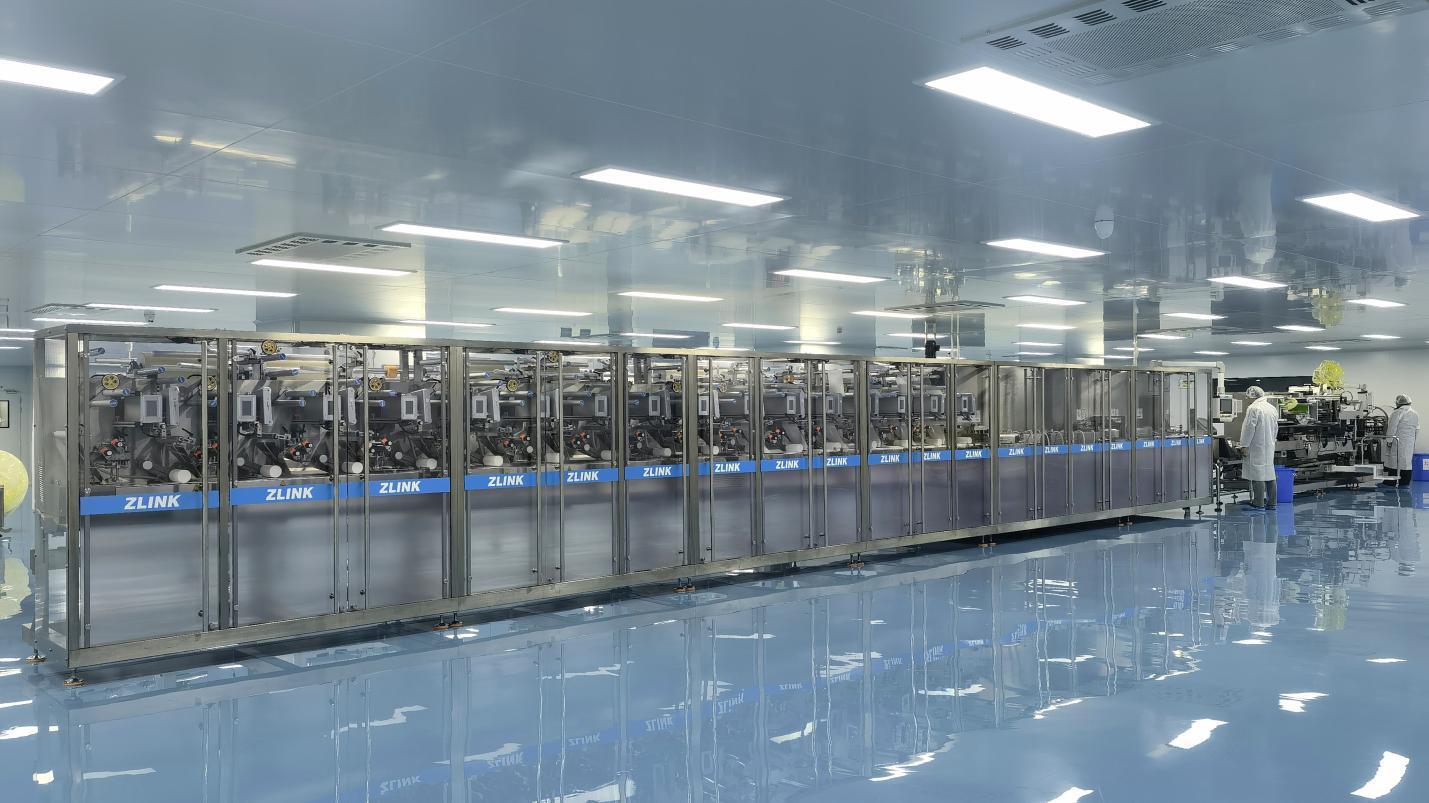
Step inside our state-of-the-art manufacturing plant in Zhejiang, where high-speed automated lines assemble, test, and package daily.
Procuring personal protective equipment (PPE) on an international scale requires deep understanding of regulatory compliance, logistical bottlenecks, and physical material standards. B2B purchasers face significant exposure when dealing with manufacturers that lack rigorous quality control and recognized international certifications. A single non-compliant shipment can result in customs seizures, brand damage, and legal liability.
| Standard & Region | Typical Classification | BFE / PFE Requirement | Key Testing Metric |
|---|---|---|---|
| US ASTM F2100 | Level 1 / 2 / 3 | ≥ 95% to ≥ 98% | Fluid Resistance & Differential Pressure |
| EU EN 14683 | Type I / II / IIR | ≥ 95% to ≥ 98% BFE | Bacterial Filtration & Splash Resistance |
| US NIOSH | N95 / N99 / N100 | ≥ 95% to ≥ 99.97% PFE | NaCl Aerosol Challenge, Zero Leakage Tolerance |
| China GB 2626 | KN95 / KN100 | ≥ 95% to ≥ 99.9% PFE | Nasal seal conformity, leakage test with human subjects |
At Zhejiang DrSharpe Health Co., Ltd., we mitigate risk by maintaining alignment with global quality frameworks. Our medical-grade face masks achieve up to 99% Bacterial Filtration Efficiency (BFE) and 99% Particle Filtration Efficiency (PFE). These metrics are verified by independent third-party laboratories to conform to CE, US FDA, and US EUA standards.
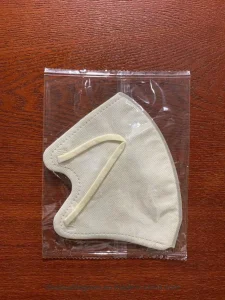
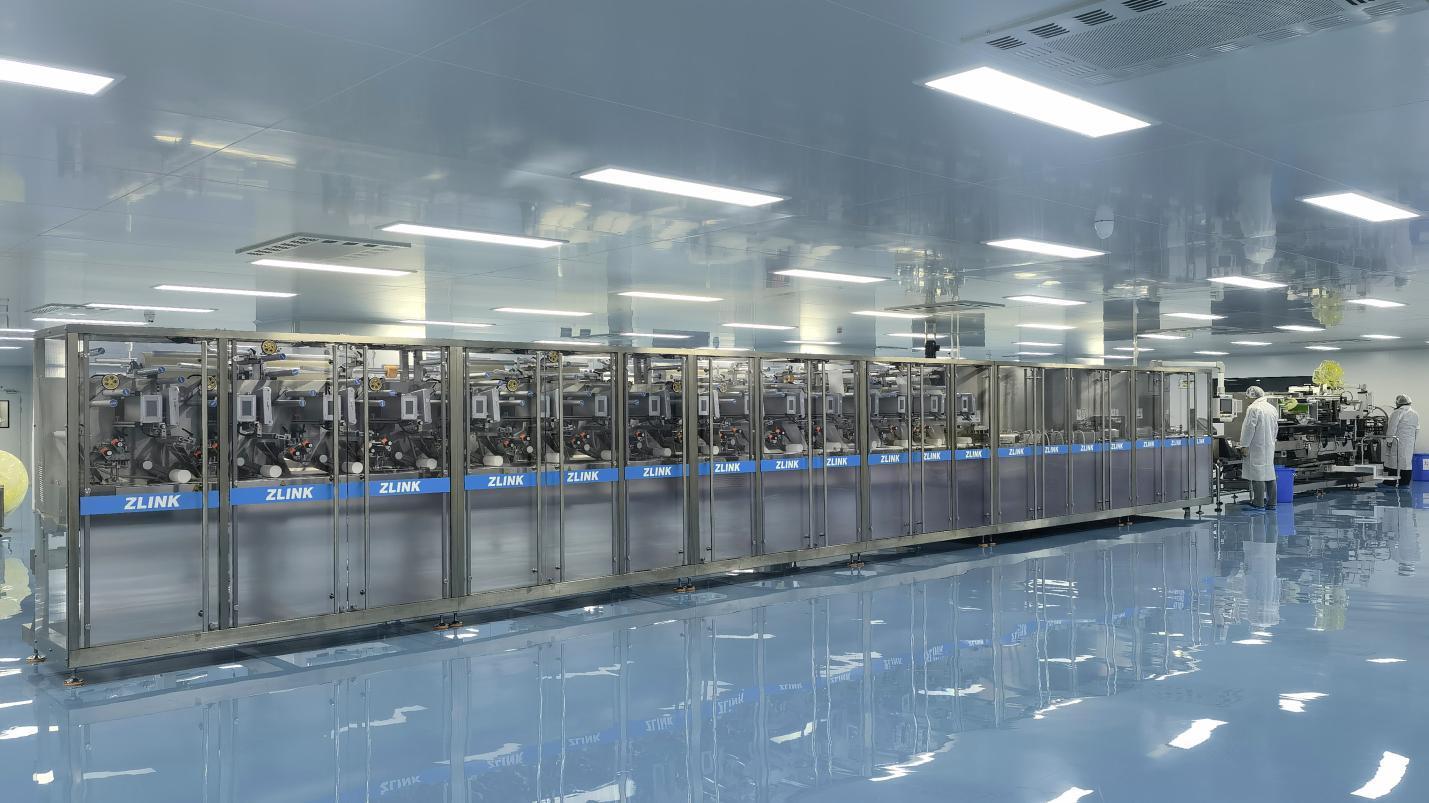
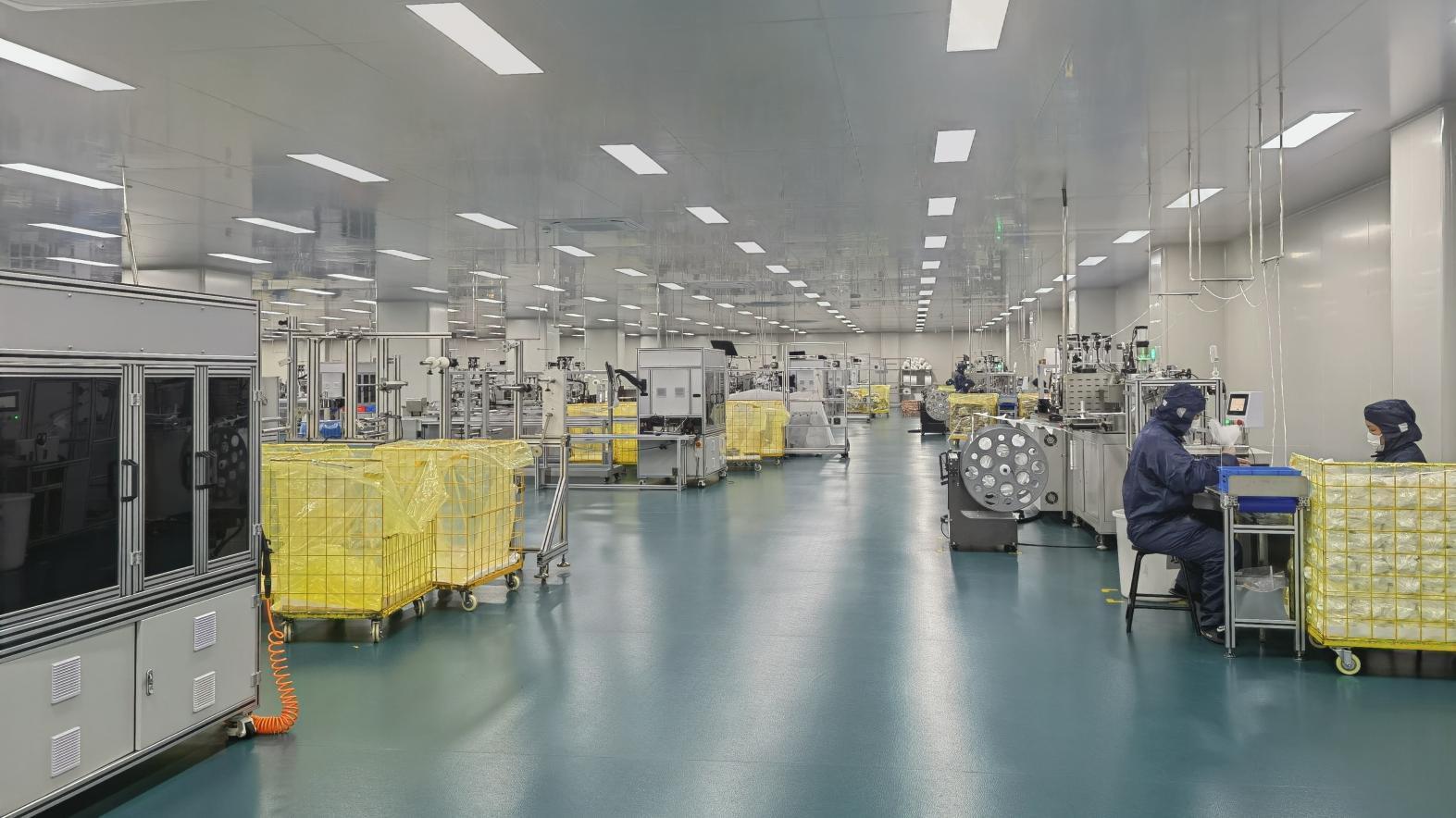
Our operations leverage a dual-mode manufacturing model, featuring 5 fully automatic mask production machines and 12 semi-automatic production systems. This fleet profile enables us to adjust production lines rapidly between medical masks, flat civilian masks, and complex 3D respirators (such as the KF94 style). This dynamic scheduling capability ensures stable lead times even during seasonal demand spikes or supply-chain disruptions.
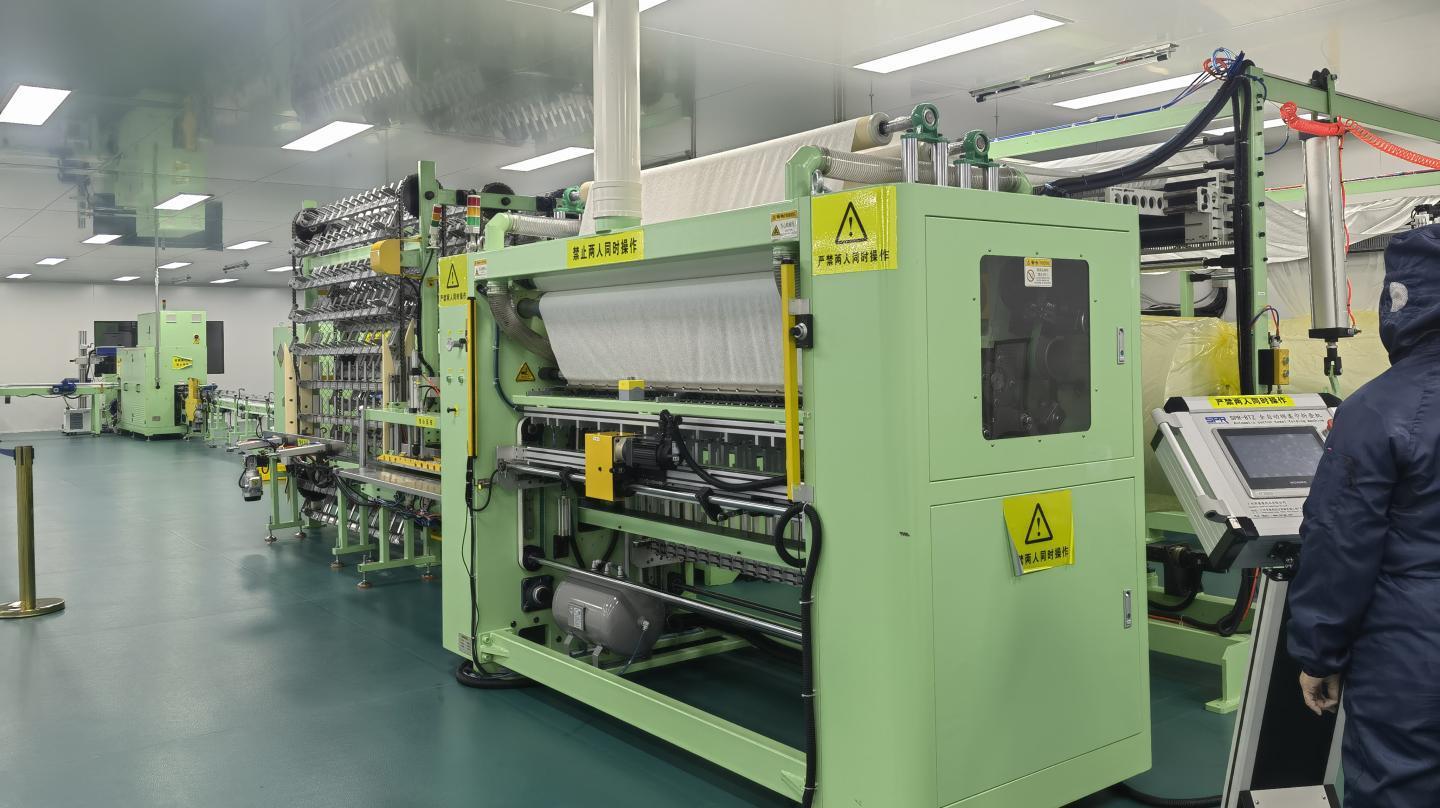
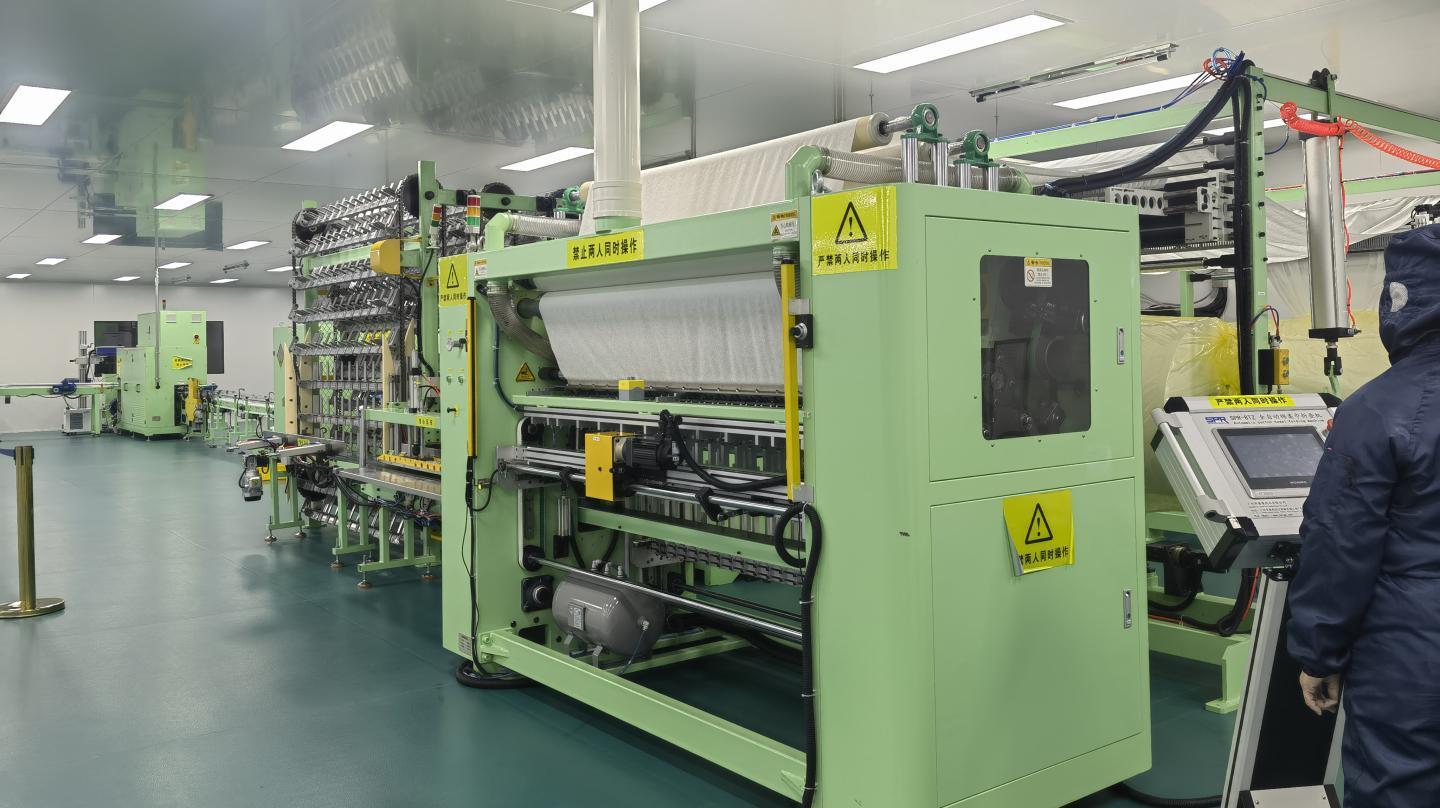
Our production capability extends beyond masks. To support our global partners in simplifying their vendor portfolios, we have integrated advanced processing lines for dry and wet tissues. Utilizing medical-grade spunlace non-woven technology, our wet and dry wipe production meets the same strict standards as our mask lines. This provides global distributors with a single, reliable source for multiple high-demand hygiene products, reducing shipping overhead and simplifying custom clearance procedures.
A detailed view of the manufacturing safeguards that set DrSharpe apart from baseline commodity suppliers.
We source premium meltblown polymers treated with corona discharge technology. This locks a permanent electrostatic charge into the fibers, capturing sub-micron viruses and dust particles without raising breathing resistance.
Every batch of adjustable nose clips undergoes mechanical flexure tests. We ensure that our aluminum-core wires can withstand at least 20 flex cycles without fracturing or losing shape, maintaining safety in active work environments.
From the raw polypropylene pellets to the final shrink-wrapped boxes, each carton is labeled with a unique lot tracking code. Our ISO 13485-compliant system records machine operator IDs, temperature settings, and raw material batch numbers.
As the international community moves toward sustainable healthcare, the mask manufacturing industry is undergoing a major technological transformation. Our product roadmaps focus heavily on three major pillars: Environmental Sustainability, Biocompatibility, and Adaptive Fit Technology.
Single-use plastics pose long-term ecological risks. DrSharpe is actively developing partnerships with polymer laboratories to commercialize polylactic acid (PLA) based nonwovens. These materials break down in industrial composting setups within 180 days. Additionally, our future nose clip systems will prioritize clean-separation designs, enabling consumers to separate the metal inner core easily from the soft polymer body for streamlined recycling.
By leveraging 3D facial scans and AI-driven design tools, we are working to refine the curvature profiles of our nose clips. Traditional mass production assumes a uniform nose arch, which often fails to accommodate diverse ethnic facial geometries. Our incoming generation of face covers employs custom pre-formed curves tailored for Western, East Asian, and global markets, helping ensure high seal compliance with minimal user manipulation.
Mask-induced dermatitis (often referred to as "maskne") remains a key issue for healthcare personnel. Our newest product lines leverage hypoallergenic inner spunbond layers free of chemical binders, latex, and fiberglass. By integrating pH-neutral materials next to the skin, we reduce friction and sweat accumulation, maintaining user comfort during long shifts.
High-capacity machinery ensuring stable volume and continuous output for global distributors and clinical procurement agencies.
Technical guidance and sourcing answers from our manufacturing experts to help optimize your supply chain decisions.
B2B buyers should evaluate: 1) The core material of the nose clip (aluminum core is preferred over steel for MRI safety and flexibility); 2) Inner wire diameter (ideally between 0.8mm to 1.2mm for structural stability); 3) Meltblown layer weight (GSM) and electrostatic properties; 4) Manufacturer compliance certifications like CE (EN 14683) and US FDA listings.
Our masks employ a dual-core plastic-coated aluminum nose clip, which offers high retention force compared to single-wire alternatives. This construction minimizes elastic springback, allowing the user to form a close, contoured fit against their nose bridge. This design maintains its shape during speech and movement, reducing leakage and preventing glasses from fogging.
Our medical-grade masks achieve up to 99% Bacterial Filtration Efficiency (BFE) and 99% Particle Filtration Efficiency (PFE) against non-oil-based particulates. We use premium nonwovens with high electrostatic properties to maintain low breathing resistance while filtering micro-particles.
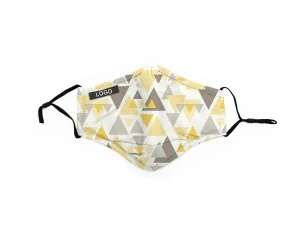
Yes, we offer complete OEM/ODM options, including custom brand logo printing, custom packaging designs, and specific material configurations. We work closely with our partners to ensure all custom-branded packaging complies with the regulatory labeling requirements of target markets like the US, EU, and UK.
Every production batch undergoes strict testing, including BFE/PFE assessment, breathing resistance checks, earloop pull-force trials (target > 10N), and visual audits. Random samples are checked by our quality control team in our on-site laboratory, and we provide clean Certificate of Analysis (COA) documents with every shipment.
Standard lead times range from 14 to 21 days after receipt of deposit and art approvals, depending on order size. Our fleet of 5 fully automatic and 12 semi-automatic production machines allows us to rapidly scale production to meet large bulk requirements, ensuring reliable shipping schedules.
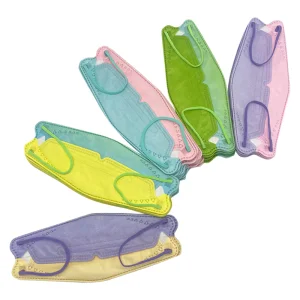
Explore our specialized protective products, including high-efficiency KF94 designs, RPET sustainable options, and child-safe sizing.